
Tools
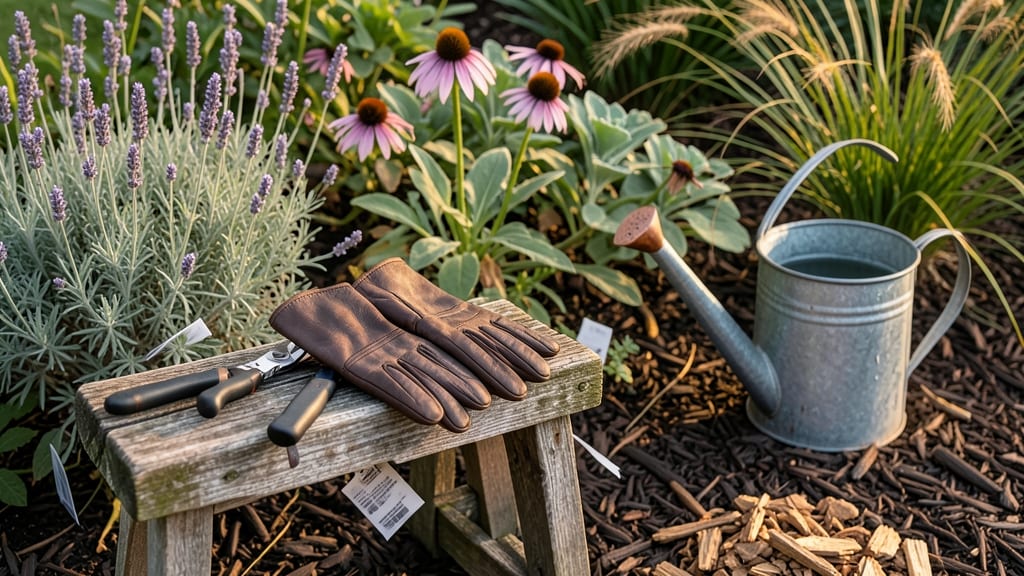
How to maintain a garden starts with one simple habit: checking soil moisture before watering. 🌱 I’ve learned the hard way that overwatering kills more plants than pests ever could—my first tomato plants turned to mush because I assumed "more water = better growth." The truth? Most gardens thrive on consistency, not excess. A well-maintained garden runs on three pillars: watering smarter (not more), pruning strategically (cutting back dead growth in early spring), and soil care (adding compost twice a year). You don’t need fancy tools—just a trowel, pruners, and a rain gauge (or your finger in the soil). The payoff? Plants that look lush and productive all season, not just in peak summer. Seasonal shifts change everything. Summer demands deep watering, while winter means protecting tender plants from frost. I’ve got a foolproof checklist that keeps my garden humming year-round, from mulching in fall to fertilizing in spring. Even the busiest gardener can handle this—it’s about small, regular efforts, not marathon weekends. The best part? A maintained garden gives back—less weeding, fewer pests, and harvests that keep coming. Let’s make this your easiest (and most rewarding) gardening year yet.
📚 In This Guide
- What you need
- Instructions
- Tips and common mistakes
- Wrapping up and next steps
What you need
- ● Hand Trowel – Small (6-8") for planting and weeding.
- ● Pruning Shears – Bypass-type for clean cuts (sharp blades!).
- ● Garden Gloves – Durable, breathable pair (e.g., leather or synthetic).
- ● Watering Can or Hose – 1-2 gallon can or a lightweight hose with adjustable nozzle.
- ● Rake – Medium-sized (24-30") for clearing debris.
- ● Garden Fork – Sturdy, 4-tined (for aerating soil).
- ● Wheelbarrow or Bucket – 2-3 cubic feet capacity for hauling soil/plant waste.
- ● Measuring Tape – 10-25 feet for spacing plants accurately.
- ● Knee Pads or Stool – For comfort during long sessions.
- ● Compost or Fertilizer – Organic (e.g., worm castings, 10-10-10 NPK blend) or homemade compost.
- ● Mulch – 2-3 inches of organic (wood chips, straw) or inorganic (gravel) mulch.
- ● Soil Amendments – Perlite, vermiculite, or peat moss (1 part per 3 parts soil).
- ● Plant Food – Slow-release granules or liquid fertilizer (follow package rates).
- ● Pest Control – Neem oil, diatomaceous earth, or insecticidal soap (organic options preferred).
- ● Support Structures – Trellises, stakes, or cages for vining plants (e.g., tomatoes, cucumbers).
- ● Labels & Markers – Waterproof tags or chalk for plant identification.
- ● Soil pH Test Kit – To monitor and adjust soil acidity (aim for 6.0-7.0 for most plants).
- ● Drip Irrigation System – For efficient watering (especially in larger gardens).
- ● Garden Journal – To track planting dates, weather, and growth progress.
- ● Solar-Powered Lights – For evening ambiance and safety.
- ● Birdhouses or Bat Boxes – Natural pest deterrents!
Instructions: smart year-round garden maintenance
Here's the system I swear by to keep gardens lush through every season.
🌱 Step 1: Seasonal Soil Preparation
Start by testing soil pH and nutrient levels in early spring. I use a simple test kit to check if my soil is acidic, alkaline, or neutral—this determines what amendments I need. For most vegetables, aim for a 6.0-7.0 pH range. Amend with compost or aged manure to improve structure and fertility, working it into the top 6-8 inches of soil.
Don't skip the tilling step, but avoid overworking the soil. Loosen it just enough to create a crumbly texture—this improves drainage while preserving beneficial soil organisms. I like to add a 1-inch layer of mulch after tilling to retain moisture and suppress weeds. Watch for soil that feels gummy after rain—that's your sign it needs more organic matter.
☀️ Step 2: Strategic Watering Management
Water deeply 1-2 times per week, delivering 1-1.5 inches of water each session. The key is consistency—water at the same time each day, ideally in the early morning. I use a rain gauge to track moisture levels, aiming for soil that's damp but not soggy. You'll know you're doing it right when the top 2 inches of soil feel moist to the touch.
Install a drip irrigation system for larger gardens to deliver water directly to roots. This method reduces evaporation and prevents fungal diseases that thrive in wet foliage. If you notice leaves wilting during the day but perking up at night, you're underwatering. Conversely, yellowing leaves with mold on the soil surface mean you're overdoing it.
✂️ Step 3: Regular Pruning and Deadheading
Prune plants to remove dead or diseased branches first. Use clean, sharp pruners to make cuts at a 45-degree angle, just above a leaf node. This encourages new growth while preventing water from pooling on the cut. For flowering plants, deadhead regularly by pinching off spent blooms—this redirects energy to produce more flowers instead of seed pods.
Don't cut too aggressively. I limit pruning to removing no more than 25% of the plant's foliage at a time. Watch for new growth emerging from the nodes—this is your confirmation that the plant is responding well. For shrubs, shape them gradually over the season rather than doing a drastic haircut all at once.
🪴 Step 4: Pest and Disease Prevention
Inspect plants weekly for early signs of pests like aphids or powdery mildew. I start with preventive measures: apply neem oil or insecticidal soap as a spray during the evening to avoid harming beneficial insects. Rotate between organic and chemical solutions if needed, but always follow label instructions for application rates.
Remove infected leaves immediately and dispose of them in sealed bags. Never compost diseased plant material—this spreads pathogens. If you see holes in leaves or sticky residue, it's likely an insect problem. For fungal issues, improve air circulation around plants by spacing them properly and avoiding overhead watering.
⏰ Step 5: Seasonal Adjustments
Adjust care routines quarterly to match seasonal changes. In summer, increase watering frequency but reduce fertilizer use to prevent scorching. I switch to a slow-release fertilizer in late summer to support root growth for fall planting. Winter requires less watering, but I continue to remove dead foliage to prevent disease buildup.
Don't let weeds take over in early spring—they compete aggressively with young plants. I pull weeds when the soil is moist (they come out easier) and mulch heavily to prevent regrowth. Watch for seasonal pests like squash bugs in summer or slugs in spring. Adjust your prevention strategies accordingly, but always prioritize organic solutions first.
Tips & tricks for year-round garden success
Here's what nobody tells you about keeping gardens thriving through every season.
Soil Testing Savvy: That 6.0-7.0 pH range mentioned in Step 1 is your golden zone for most vegetables, but don't stop at the test kit. I take soil samples from multiple spots in my garden—each area can have different pH levels. For acidic-loving plants like blueberries, aim for 4.5-5.5 pH instead. The key is matching amendments to what your specific plants need, not just following general guidelines.
Watering Wisdom: The 1-1.5 inches per week rule in Step 2 works for most gardens, but your watering needs change with plant types. Leafy greens like spinach need consistent moisture, while drought-tolerant plants like lavender prefer less frequent, deeper watering. I use a simple trick: stick a screwdriver in the soil after watering—if it comes out clean, you've watered enough. If it's damp only at the surface, water more.
Pruning Precision: When you're removing up to 25% of foliage in Step 3, focus on the oldest leaves first. These leaves are less productive and often harbor pests. For flowering plants, I deadhead in the morning when dew is present—the stems are more pliable and easier to pinch off cleanly. Always sterilize your pruners between cuts with rubbing alcohol to prevent spreading disease.
Seasonal Strategy: The quarterly adjustments in Step 5 are your secret weapon. In late summer, I switch to a fish emulsion fertilizer (instead of the slow-release type) to give plants a quick phosphorus boost for fall blooms. For winter prep, I add a thick layer of straw mulch (6-8 inches) around perennial plants to insulate roots from freezing temperatures.
Pro Tips for Maintain A Garden
- Here's what nobody tells you about keeping gardens thriving through every season.
- Soil Testing Savvy: That 6.0-7.0 pH range mentioned in Step 1 is your golden zone for most vegetables, but don't stop at the test kit.
- Watering Wisdom: The 1-1.5 inches per week rule in Step 2 works for most gardens, but your watering needs change with plant types.
Frequently asked questions
Got questions about keeping your garden lush and low-maintenance? You’re not alone!
Here are some of the most common queries—plus quick, actionable answers to keep your green space thriving year-round.
When is the best time to prune my plants?
Timing matters! For most flowering plants, prune right after they bloom (late spring/early summer) to encourage new growth. Evergreens and shrubs benefit from late winter/early spring pruning before new shoots appear. Avoid heavy pruning in fall—it can stress plants before winter. Pro tip: Use sharp, clean tools to prevent disease!
How do I deal with pests naturally without chemicals?
Start with prevention: Healthy soil = strong plants. Introduce beneficial insects like ladybugs or lacewings, and use neem oil or soapy water sprays for mild infestations. For slugs, set up beer traps (yes, really!). If pests persist, isolate affected plants and research plant-specific solutions—like companion planting (e.g., marigolds repel nematodes).
Can I maintain a garden with limited time?
Opt for low-maintenance plants like succulents, lavender, or ornamental grasses. Use mulch to retain moisture and suppress weeds, and group plants with similar water needs. Automate with drip irrigation or smart timers. Even 15 minutes daily—watering, weeding, or checking for pests—keeps your garden thriving. Delegate tasks: Kids can pull weeds, and neighbors might swap plants!
How often should I water my garden?
It depends! Water deeply but infrequently—aim for 1–1.5 inches per week, including rain. Most plants prefer morning watering to reduce evaporation and fungal risks. Use your finger to check soil moisture: If the top 1–2 inches are dry, it’s time to water. Overwatering is worse than underwatering! Adjust for clay soil (less often) or sandy soil (more frequently).
What’s the easiest way to keep weeds under control?
Weeds hate consistency! Pull them weekly before they seed, and apply mulch (straw, wood chips, or even cardboard) to smother them. For stubborn weeds, use a vinegar-based spray (mix 1 gallon vinegar + 1 oz dish soap) on sunny days. Preventative tip: Plant densely and choose competitive ground covers like creeping thyme or clover.
Should I fertilize my garden in winter?
Generally, no—most plants enter dormancy in winter. However, cool-season veggies (like kale or spinach) thrive with a light fertilizer in early spring or late fall. For perennials, apply compost or slow-release fertilizer in early spring when new growth appears. Test your soil first! Over-fertilizing in winter can burn roots.
Wrapping up and next steps
Maintaining a thriving garden is all about consistent care, smart planning, and a little creativity—whether you’re pruning, mulching, or troubleshooting pests.
By following seasonal best practices, investing in the right tools, and staying proactive, your garden will flourish year-round with minimal stress. Remember, every expert gardener started somewhere—so don’t hesitate to experiment and learn along the way!
Now that you’re armed with tips and tricks, take the next step! Start small—pick one task from this guide (like soil testing or composting) and make it a habit. Before you know it, your garden will be the envy of the neighborhood! 🌱✨