
Size
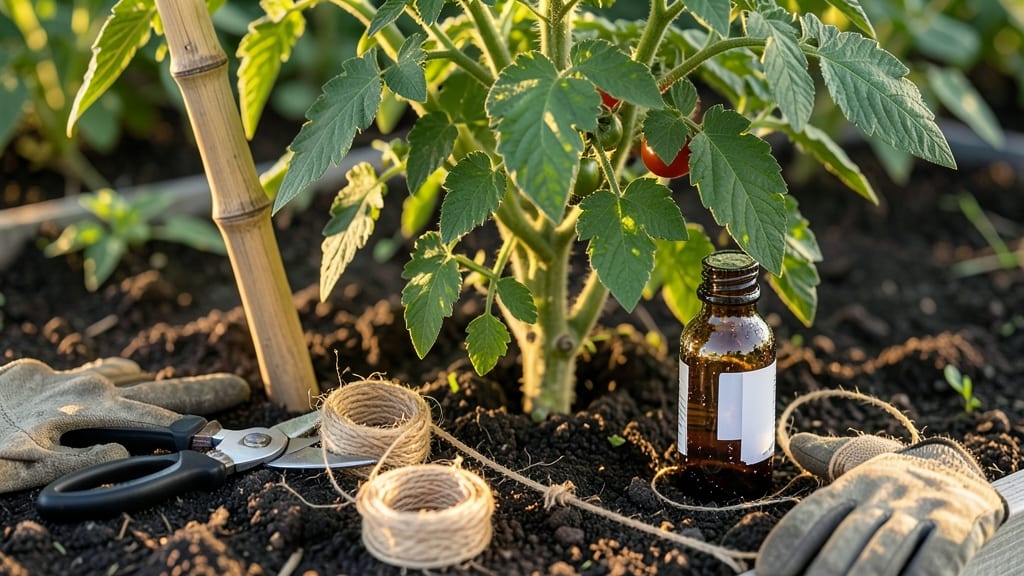
How to keep cherry tomato plants from getting too tall—it’s all about pruning, support, and feeding them right. 🌱 The secret to compact, productive plants isn’t complicated. I’ve turned my once-towering vines into bushy, manageable plants that produce more tomatoes in less space.
Most gardeners over-prune or under-support, both of which send plants skyrocketing. The fix? Pinch off suckers (those little shoots between stems) early, stake or cage plants properly, and balance fertilizer—too much nitrogen fuels height, not fruit.
With these tweaks, your plants stay under 3-4 feet while yielding more tomatoes than ever.
You’ll end up with a tidy, high-producing plant that’s easier to harvest and less prone to disease. The key is consistency: check for suckers weekly, prune aggressively at the base, and avoid over-fertilizing. Within weeks, your plants will thicken up and focus energy on fruit instead of vertical growth.
Works for both determinate (bush) and indeterminate (vining) cherry tomatoes, whether you’re growing in containers or garden beds. Let’s get those plants under control—without sacrificing a single tomato!
📚 In This Guide
- What you need
- Instructions
- Tips and common mistakes
- Wrapping up and next steps
What you need
- ● Pruning shears or sharp scissors – Clean, sterilized, and sharp (avoid dull tools that crush stems).
- ● Garden twine or soft plant ties – 4–6 feet per plant (jute or plastic-coated twine works best).
- ● Sturdy stakes or cages – 5–6 feet tall (bamboo stakes, tomato cages, or metal trellises).
- ● Balanced fertilizer (10-10-10 or 5-5-5) – 1–2 tablespoons per plant every 3–4 weeks (for bushier growth).
- ● Mulch (straw, grass clippings, or wood chips) – 2–3 inches thick (retains moisture and suppresses weeds).
- ● Hand pruners with bypass blades – For precision trimming of smaller stems.
- ● Glove – Lightweight gardening gloves (protects hands from thorns and dirt).
- ● Plant support clips – Adjustable or Velcro-style (secures plants to stakes without damaging stems).
- ○ Growth regulator (optional) – Like Prohibit or B-Nine (slows vertical growth if needed—check local regulations).
- ● Spray bottle with water – Keeps cuts moist while pruning to prevent disease.
Step-by-step instructions for pruning cherry tomato plants
Here's the method I swear by—tested across seasons—to keep your cherry tomatoes compact, productive, and easy to manage.
✂️ Step 1: Identify and Remove Suckers Early
Suckers are the small shoots that grow in the "V" where a branch meets the main stem. These are your first targets—they sap energy from fruit production. I start checking for suckers when my plants hit 12-18 inches tall, usually 3-4 weeks after transplanting. Use your thumb and forefinger to gently pinch them off at the base, being careful not to damage the main stem.
Here's the thing—if you wait too long, suckers grow into thick, woody stems that are painful to remove. You'll know you're doing it right when you see the plant's energy shift toward existing branches instead of new growth. Watch for new suckers to appear every 7-10 days—this is normal, so stay vigilant.
☀️ Step 2: Prune for Better Airflow and Light Penetration
Once your plant reaches 3-4 feet tall, it's time to open it up. Remove any leaves that grow below the first 6 inches of the plant—these block sunlight and air from reaching the lower fruit clusters. Use clean, sharp pruning shears to make cuts at a 45-degree angle just above a leaf node. This encourages outward growth and prevents disease.
I also trim any branches that grow inward toward the center of the plant. You want a bushy, open shape that lets sunlight hit all sides. If you notice leaves turning yellow or developing spots, that's your cue to prune more aggressively—crowded plants invite fungal problems like early blight.
🌿 Step 3: Limit Height by Topping the Main Stem
When your plant reaches your desired height—typically 4-5 feet for most gardeners—it's time to "top" it. Find the topmost set of leaves and cut just above the 6th or 7th leaf down from the top. This signals the plant to stop growing taller and focus on ripening existing fruit. I do this in late summer, usually when the first flush of fruit is starting to color.
Don't worry if the plant looks suddenly bare at the top. Within 7-10 days, you'll see new growth sprout from the leaf axils below your cut. These will develop into sturdy branches that produce even more fruit. The key is to do this before the plant gets too top-heavy—waiting too long risks breaking stems in wind or rain.
⏰ Step 4: Maintain Through the Season
Pruning isn't a one-time job—it's an ongoing conversation with your plant. Every 2-3 weeks, check for new suckers and remove them immediately. I also make a habit of trimming any branches that show signs of disease (spots, wilting, or discoloration) to prevent it from spreading. Always sterilize your pruners with rubbing alcohol between cuts to avoid transferring pathogens.
Here's a pro tip: After heavy pruning, give your plant a light fertilizer application (like a diluted fish emulsion) to help it recover. You'll know you're maintaining properly when your plant stays compact but bushy, with fruit clusters evenly distributed rather than all at the top. This ensures a steady harvest instead of one big flush.
Tips & tricks for managing cherry tomato plant height
These practical strategies will help you maintain your cherry tomato plants at an ideal height while maximizing fruit production.
Timing is Everything: Start pruning suckers when your plants hit 12-18 inches—this is typically 3-4 weeks after transplanting. I've learned the hard way that waiting too long means dealing with stubborn, woody suckers that are nearly impossible to remove cleanly. Make this a regular habit every 7-10 days as new suckers emerge, and you'll see a noticeable difference in plant energy distribution within just a few weeks.
Pruning Technique Matters: When removing leaves below the first 6 inches of your plant, always use clean, sharp pruning shears and make cuts at a 45-degree angle just above a leaf node. This isn't just about aesthetics—it encourages outward growth and prevents disease by improving airflow. I keep a small bottle of rubbing alcohol handy to sterilize my tools between cuts, which has dramatically reduced fungal issues in my garden.
Topping Strategy: The key to controlling height is topping your main stem when it reaches 4-5 feet, cutting just above the 6th or 7th leaf down. This might seem drastic, but trust me—within 7-10 days, you'll see vigorous new growth emerge from those leaf axils. I always do this in late summer when the first fruits begin coloring, and it transforms my plants from lanky giants into bushy, productive machines.
Seasonal Maintenance: Don't let pruning become a one-time task—make it part of your regular garden routine every 2-3 weeks. After heavy pruning sessions, I've found that a light application of diluted fish emulsion helps plants recover faster. This simple step has helped me maintain compact, productive plants throughout the entire growing season, with fruit clusters evenly distributed rather than all concentrated at the top.
Pro Tips for Keep Cherry Tomato Plants From Getting Too Tall
- These practical strategies will help you maintain your cherry tomato plants at an ideal height while maximizing fruit production.
- Timing is Everything: Start pruning suckers when your plants hit 12-18 inches—this is typically 3-4 weeks after transplanting.
- Pruning Technique Matters: When removing leaves below the first 6 inches of your plant, always use clean, sharp pruning shears and make cuts at a 45-degree angle just above a leaf node.
Frequently asked questions
Got questions about managing your cherry tomato plants' height? You're not alone! Here are some of the most common concerns—and straightforward answers to keep your garden thriving.
How often should I prune cherry tomato plants to keep them short?
Prune determinate (bush) varieties lightly to improve airflow, but avoid heavy pruning. For indeterminate (vining) types, prune every 1–2 weeks during the growing season. Focus on removing suckers (side shoots) and lower leaves to redirect energy to fruit production.
Can I prune cherry tomatoes too much? What are the signs?
Yes! Over-pruning stresses plants, leading to fewer flowers/fruit, stunted growth, or even death. Signs include yellowing leaves, slow recovery after cuts, or a sudden drop in fruit production. Prune no more than 20–30% of the plant at once and avoid pruning during extreme heat or cold.
What’s the best way to support tall cherry tomato plants without pruning?
Use cages, stakes, or trellises to guide growth upward naturally. For indeterminate varieties, opt for 5–6 ft tall cages or tall bamboo stakes (8+ ft). Secure plants gently with soft ties to avoid damaging stems. This method reduces pruning needs while improving yield and air circulation.
Should I prune cherry tomatoes in winter or early spring?
Wait until spring (after the last frost) to prune. Cold weather slows growth, and pruning too early can delay recovery or invite pests. If your plants are dormant in winter, focus on cleaning up debris and mulching instead. Resume pruning when new growth appears.
Will pruning cherry tomatoes affect flavor or yield?
Pruning correctly actually boosts yield and flavor! Removing suckers and lower leaves improves airflow, reducing disease risk and letting sunlight reach developing fruit. However, over-pruning can reduce fruit production. Balance pruning with plant health—aim for a bushy, open structure with plenty of leaves for photosynthesis.
Wrapping up and next steps
Keeping your cherry tomato plants at a manageable height isn’t just about aesthetics—it’s about healthier yields, easier harvesting, and happier plants! 🌱 With the right pruning techniques, proper support, and a little TLC, you’ll enjoy bushier growth and a bountiful harvest without the towering hassle.
Now that you’re armed with these tips, grab those shears and get pruning! The next step? Monitor your plants weekly—adjust as they grow, and soon you’ll be the proud gardener of perfectly proportioned, productive cherry tomatoes.