
Pests
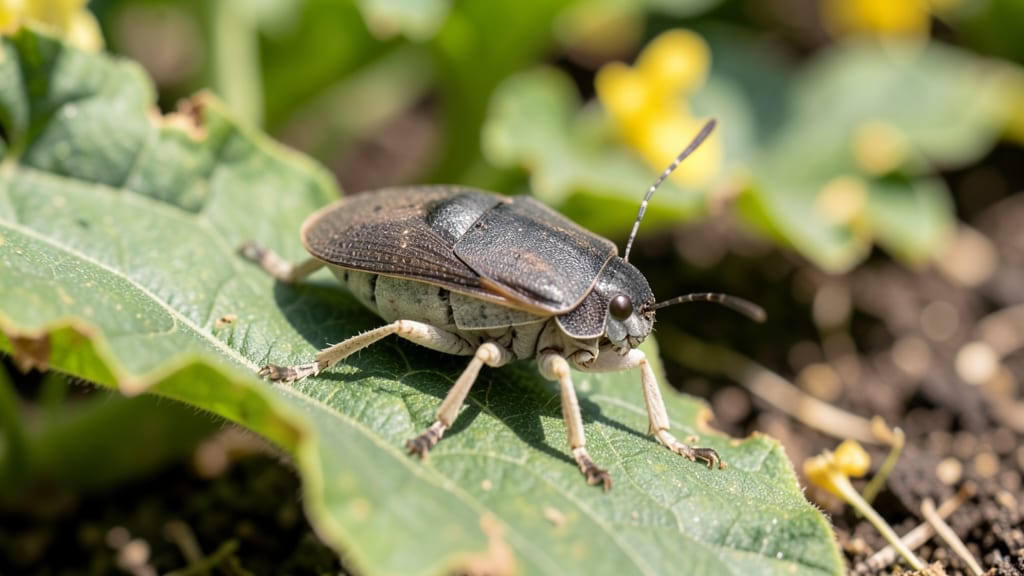
How to get rid of squash bugs in the garden—those shield-shaped pests can turn your thriving vines into skeleton leaves overnight. 🌿 I’ve lost entire zucchini plants to these invaders, and I’m sharing the exact neem oil spray that stops them dead in their tracks—eggs, nymphs, and adults alike.
The key is timing and technique: spray when bugs are active (early morning or late afternoon) and repeat every 5-7 days until they’re gone. Most gardeners fail because they don’t cover the undersides of leaves where eggs hide—those tiny yellow clusters are the next generation waiting to hatch.
Within a week, you’ll see new growth pushing through, leaves staying plump, and no more black, oily droppings on your squash. The spray works because neem oil disrupts their life cycle while being safe for beneficial insects when used correctly.
This method works for cucumbers, pumpkins, and melons too—anything in the squash family. The secret? Consistency. One spray won’t do it, but three will turn your garden back into a thriving, bug-free paradise.
Root Causes of Squash Bug Infestations
Squash bugs (Anasa tristis) may seem like they appear out of nowhere, but their presence in your garden is rarely random. These pests thrive due to a mix of environmental, agricultural, and ecological factors.
Understanding why they invade helps you prevent future outbreaks and tackle current ones more effectively. Below, we break down the key reasons—backed by science—and explain how each contributes to their dominance in your squash, pumpkin, or cucumber patches.
Squash bugs don’t just land randomly; they’re drawn to stressed or overcrowded plants, which are easier to feed on and hide in. Here’s why this happens:
- Poor Plant Health: Weak plants (due to nutrient deficiencies, drought, or disease) produce less sap, making them an easier meal.
Squash bugs prefer young, tender leaves and stems, which are more vulnerable when plants are struggling. - Overcrowding: When squash or cucumber plants are planted too closely, airflow is restricted.
This creates humid microclimates—perfect breeding grounds for squash bugs, which thrive in damp conditions. - Monoculture Farming: Growing only one type of squash or cucumber in a large patch signals to squash bugs: "All-you-can-eat buffet here!" They lay eggs in clusters, knowing their offspring will have abundant food.
Actionable Insight: Rotate crops yearly and space plants 3–4 feet apart to improve airflow and reduce hiding spots. Interplanting with marigolds or nasturtiums (which repel pests) can also disrupt their feeding patterns.
Squash bugs are cold-sensitive but heat-loving, and they need moisture to survive. Here’s how climate plays a role:
- Ideal Temperature Range: Adult squash bugs emerge in late spring to early summer when soil temperatures reach 60–70°F (15–21°C). They become most active in 75–85°F (24–29°C) ranges—common in summer gardens. - Humidity Dependence: Eggs and nymphs (baby squash bugs) require high humidity (60%+) to develop.
Drought-stressed plants create localized humidity pockets, making your garden a squash bug paradise. - Overhead Watering: Watering leaves (especially in the evening) creates film-like moisture that squash bugs use to lay eggs. Their eggs are glued to leaves and need this dampness to hatch.
Actionable Insight: Water at the base of plants in the morning to reduce leaf moisture. Use mulch to retain soil moisture without creating humid leaf conditions.
In a balanced ecosystem, squash bugs face dozens of natural enemies. But modern gardening practices often disrupt this balance:
- Pesticide Overuse: Broad-spectrum insecticides (like neonicotinoids) kill beneficial insects first—including spider mites’ predators, ladybugs, and parasitic wasps that prey on squash bug eggs.
- Monocultures: Large patches of the same plant reduce biodiversity, leaving fewer hiding spots for predators like ground beetles, stink bugs, or predatory mites.
- Urban/Suburban Gardens: These areas often lack the diverse plantings and wild habitats that support predator populations.
Actionable Insight: Encourage predators by:
- Planting dill, fennel, or yarrow to attract parasitic wasps.
- Avoiding chemical pesticides in favor of neem oil or kaolin clay (which smothers eggs without harming predators).
- Leaving some garden debris (like leaf litter) over winter to provide shelter for beneficial insects.
Squash bugs are master survivors because of their egg-laying tactics. Here’s how they ensure their offspring thrive:
- Cluster Eggs on Undersides: Females lay 10–30 eggs in a cluster on the undersides of leaves, where they’re hidden from birds and spiders.
The eggs are gray and barrel-shaped, blending into leaf veins. - Timing for Maximum Survival: Eggs hatch in 7–10 days under ideal conditions.
If laid in late summer, they may overwinter as eggs or nymphs, emerging the next spring. - Chemical Defense: Squash bugs secrete a stinky, foul-smelling fluid when threatened—this deters some predators but also signals to other squash bugs: "Danger! Stay away!"
Actionable Insight: Scrape off eggs manually (use a soft brush or your fingernail) before they hatch. Check every 3–4 days in peak season (June–August). Neem oil applied every 5–7 days can also suffocate eggs.
Sometimes, we unintentionally invite squash bugs into our gardens:
- Bringing Infested Plants Home: Buying potted squash or cucumbers from nurseries or farmers' markets can introduce eggs or nymphs hidden in foliage. - Composting Infested Debris: Squash bugs overwinter in plant debris, mulch, or compost piles.
If you compost last year’s squash vines without heat-treating them, adults may emerge in spring. - Ignoring Early Signs: Many gardeners miss the first wave of nymphs because they’re small and well-camouflaged. By the time you see skeletonized leaves, the population has exploded.
Actionable Insight:
- Inspect new plants thoroughly before transplanting.
- Clean up garden beds in fall—remove and burn or bag all plant debris (don’t compost it).
- Monitor regularly: Check the undersides of leaves weekly during growing season.
Tactical Fixes for Squash Bugs
Squash bugs are tenacious pests, but with the right approach, you can reclaim your garden. The key is to tackle them at every life stage—eggs, nymphs, and adults—while also preventing future infestations. Below, we map out practical, step-by-step solutions tailored to the root causes of your squash bug problem.
Cause: Squash bugs thrive in dense plantings where they hide and multiply unchecked. Solution: Give your plants room to breathe and disrupt their breeding grounds.
- 🌱 Space plants strategically
- Plant squash, pumpkins, and cucumbers at least 3–4 feet apart (or in hills) to reduce humidity and improve airflow. Overcrowding creates the perfect squash bug hideout.
- Pro tip: 💡 Use raised beds or container gardening for better control—squash bugs dislike dry, well-drained soil.
- 🍂 Rotate crops annually - Avoid planting cucurbits (squash, melons, cucumbers) in the same spot every year.
Squash bugs overwinter in soil, so rotation breaks their life cycle. - Pro tip: 🌡️ If possible, plant non-host crops (like beans or lettuce) in the affected bed the following season to starve out lingering eggs.
- 🌿 Mulch with caution
- Organic mulch (like straw) can harbor eggs. Use black plastic mulch or landscape fabric instead to smother adults and deter egg-laying.
Cause: Tiny eggs and nymphs hide under leaves, making them hard to spot—until it’s too late. Solution: Act fast with physical removal and natural smothering.
- 🔍 Scrape and destroy eggs
- Check undersides of leaves (especially on squash and pumpkin vines) for tiny, shiny, football-shaped eggs clustered in rows.
- Scrape them into soapy water (1 tbsp dish soap per gallon) to kill them instantly. Pro tip: ✨ Do this weekly from late spring through summer.
- 💦 Use neem oil spray (the game-changer) - Mix 1–2 tbsp neem oil + 1 tsp mild soap per gallon of water and spray directly on leaves (focus on egg clusters).
Neem smothers eggs and repels adults. - Pro tip: 🌡️ Apply early morning or late evening to avoid harming bees. Reapply every 5–7 days or after rain.
- 🧽 Handpick nymphs
- Nymphs (small, grayish bugs) cling to leaves. Drop them into soapy water or rubbing alcohol (70% isopropyl) to kill them on contact.
- Pro tip: 🎯 Wear gloves—some gardeners swear by duct tape stuck to a stick for easy removal!
Cause: Adult squash bugs (½-inch, grayish-brown with striped edges) lay hundreds of eggs and suck plant sap, weakening vines. Solution: Trapping, drowning, and disrupting their habitat work best.
- 🍺 Beer trap (yes, really!)
- Bury a shallow container (like a tuna can) filled with beer at soil level near plants. Squash bugs are drawn to the yeast and drown.
- Pro tip: 🔥 Refresh the beer every 2–3 days for maximum effectiveness.
- 💦 Drown in soapy water
- Early morning, shake plants gently to dislodge adults into a bucket of soapy water. Check under leaves and along stems.
- Pro tip: ⏰ Do this before they fly (dawn is best)—they’re sluggish and easier to catch.
- 🪰 Use row covers
- Cover young plants with floating row covers (lightweight fabric) to block adults from laying eggs. Secure edges tightly.
- Pro tip: 🌱 Remove covers when plants flower to allow pollination (or hand-pollinate with a paintbrush).
Cause: Squash bugs return year after year if conditions remain ideal. Solution: Break their cycle with these low-effort, high-impact tactics.
- 🌱 Plant repellent companions
- Interplant with nasturtiums, radishes, or marigolds—their strong scents deter squash bugs.
- Pro tip: 🎯 Avoid planting near basil or oregano, which attract squash bugs instead.
- 🔪 Prune and clean up
- Remove dead vines and debris in fall and winter to eliminate overwintering bugs.
- Pro tip: 🌡️ Till the soil in late winter to expose and kill buried eggs.
- 🛡️ Use beneficial insects
- Ground beetles, spined soldier bugs, and parasitic wasps (like Trissolcus) eat squash bug eggs. Attract them with diverse plantings and water sources.
- Pro tip: ✨ Avoid pesticides—they kill these natural predators too!
If squash bugs wipe out your plants despite your efforts, consider:
- 🪰 Organic insecticides like pyrethrin (derived from chrysanthemums) or kaolin clay (creates a barrier).
- 💉 Horticultural oil sprays (like dormant oil) in early spring to suffocate overwintering adults.
- 🚜 For severe infestations, consult a local extension office for targeted pest control options.
Final Note: Consistency is key—check plants weekly, act at the first sign of eggs, and combine methods for the best results. With these tactics, your squash, pumpkins, and cucumbers will thrive bug-free**! 🎉
Frequently asked questions
Why do squash bugs target my plants even after I’ve sprayed?
Squash bugs often return because their eggs hide on leaf undersides, protected from sprays. Even if you kill adults, new nymphs can emerge in 7-10 days. The key is to combine neem oil sprays every 5-7 days with manual egg removal—check undersides weekly during peak season (June-August). Also, they may be coming from nearby wild patches or your compost pile.
Can I use dish soap alone to kill squash bugs?
Yes, but it’s less effective than neem oil. Mix 1 tablespoon dish soap per gallon of water and spray directly on bugs/eggs. The soap disrupts their protective coating, but it won’t smother eggs like neem oil. For best results, combine it with handpicking adults or beer traps—soap works best on contact, not as a preventive spray.
Will squash bugs go away on their own?
Unlikely—if left unchecked, they’ll multiply rapidly. A single female lays 50-100 eggs, and nymphs hatch in days. Without intervention, they’ll defoliate your plants within 2-3 weeks. The only way they “go away” naturally is if predators (like parasitic wasps) or cold weather (below 50°F) kill them—but don’t count on it. Early action is critical.
How do I know if my squash bugs are overwintering?
Look for grayish-brown adults hiding in leaf litter, mulch, or garden debris in late fall. They’ll also bury themselves in soil cracks near your plants. To confirm, check undersides of stored winter squash (like butternut) or compost piles—these are their favorite hiding spots. If you find them, remove debris and till soil in late winter to expose buried eggs.
Are squash bugs harmful to humans or pets?
No, they’re not dangerous. While their stinky yellow fluid might make you gag if squashed, it’s harmless to humans and pets. The real concern is their plant damage—they inject toxins while feeding, causing wilting and stunted growth. Some gardeners report mild skin irritation from handling them, but it’s rare. Always wash hands after removing them manually.