
Container Gardens
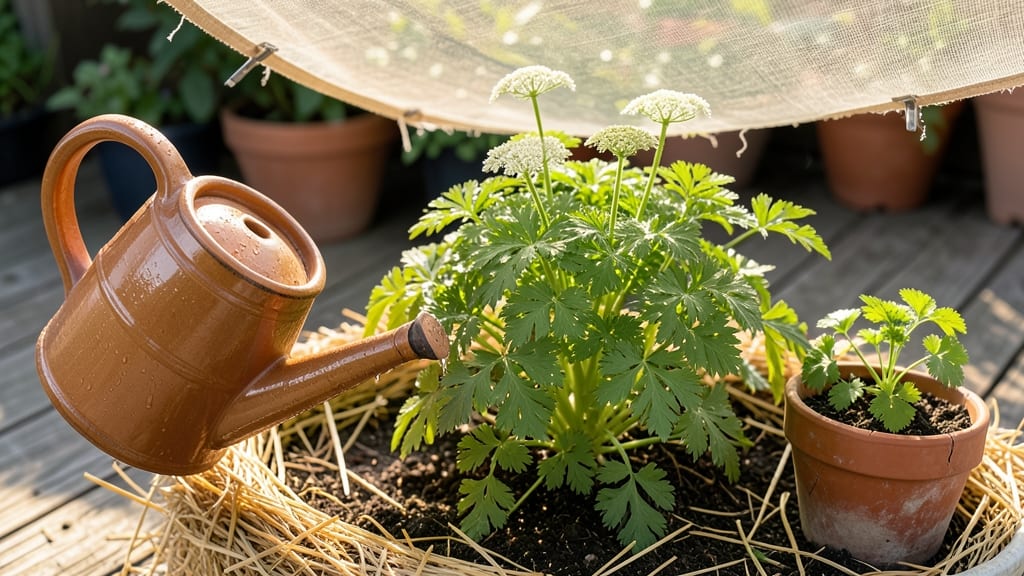
How to keep cilantro growing all summer—it’s the trick every gardener needs. 🌿 I’ve lost count of how many times I’ve watched my cilantro bolt into bitter seed pods by July—but these drought-proof tricks finally gave me 3 months of harvests without replanting.
The secret isn’t fancy equipment—it’s partial shade, morning watering, and the right varieties. Most cilantro hates heat, but ‘Santo’ and ‘Calypso’ stay crisp longer. I plant mine under 30% shade cloth by mid-June, and it makes all the difference.
You’ll end up with bright green leaves instead of bitter stems, and the flavor stays fresh for salads, salsas, and garnishes all season. The key is harvesting young—snip the outer stems first to delay bolting.
Works for containers, in-ground beds, or even balcony pots. Here’s how to keep your cilantro thriving until frost—no more sad, bolted plants in your kitchen garden.
📚 In This Guide
- What you need
- Instructions
- Tips and common mistakes
- Wrapping up and next steps
What you need
- ● Cilantro seeds: Opt for organic, non-GMO seeds (about 1–2 tbsp per container or 10–15 seeds per square foot in a garden bed). Varieties like ‘Santo’ or ‘Calypso’ are heat-tolerant!
- ● Growing containers: At least 6-inch-deep pots (1 per plant or 2–3 seeds per pot for thinning later). Use fabric grow bags or terracotta pots for better drainage.
- ● Raised beds or garden plots (if planting directly): Ensure they’re at least 12 inches deep and well-draining.
- ● High-quality potting mix: A lightweight, well-draining blend (e.g., 50% coco coir, 30% perlite, 20% compost). Avoid garden soil—it compacts and retains too much moisture.
- ● Slow-release fertilizer: Look for a balanced, organic option (e.g., 10-10-10 or fish emulsion) to mix into the soil at planting.
- ● Mulch: Straw or shredded leaves (1–2 inches thick) to retain moisture and suppress weeds.
- ● Drip irrigation or soaker hose: Essential for consistent watering—avoids overhead sprinklers that can cause fungal issues.
- ● Spray bottle: For gentle watering of seedlings or potted plants.
- ● Pruning shears or scissors: For harvesting and trimming (sterilize with rubbing alcohol between uses!).
- ○ Shade cloth (optional but helpful): 30–50% shade fabric to protect seedlings from intense afternoon sun during hot spells.
- ● 🌡️ Heat hack: If temps hit 80°F+, cilantro may bolt. Use black plastic mulch or cooling row covers to lower soil temps by 10–15°F.
- ● ✨ Soil boost: Add 1 tbsp of Epsom salt per pot at planting to prevent magnesium deficiency (a common issue in hot weather).
- ● 🎯 Container upgrade: Drill 2–3 drainage holes in the bottom of pots if they don’t have them—cilantro hates soggy roots!
Step-by-Step instructions for keeping cilantro thriving through summer heat
Here’s how I keep cilantro lush and productive when temperatures rise—no bolting, no bitter leaves, just steady regrowth.
🌱 Step 1: Choose the Right Variety and Planting Time
Start with slow-bolting varieties like ‘Calypso’ or ‘Santo’—they’re bred to handle heat better than standard types. Plant seeds 2-3 weeks before your last frost, but if you’re in a hot climate, opt for fall planting instead of spring. The key is avoiding the shock of sudden heat spikes after cool starts.
Sow seeds ½ inch deep in well-draining soil with partial shade (morning sun, afternoon shade). I like to stagger plantings every 2 weeks so I always have fresh leaves. If you’re in a warm zone, try shade cloth (30-50%) to protect seedlings from intense midday sun.
💧 Step 2: Master Watering for Heat Resistance
Cilantro hates drought stress—it bolts faster when thirsty. Water deeply 2-3 times per week (not daily light sprinkles) to encourage strong root growth. The soil should stay consistently moist but not soggy—think of a wrung-out sponge. I check moisture by sticking my finger 1 inch deep; if it’s dry, it’s time to water.
Mulch with 1-2 inches of straw or shredded leaves to lock in moisture and keep roots cool. Avoid wetting the leaves when watering—drip irrigation or soaker hoses work best. Wet foliage in heat speeds up fungal issues and attracts pests.
☀️ Step 3: Manage Light and Heat Stress
Cilantro bolts when days get long and hot—prevent this by providing afternoon shade (a sheer curtain or lattice works). If you’re growing in containers, move pots to a shadier spot by mid-morning. I’ve seen cilantro survive 90°F+ days with this trick, though growth slows.
Harvest leaves regularly (every 1-2 weeks) to encourage bushier regrowth. Pinch back flowering stems immediately—they signal the plant to bolt. If you see tall, leggy stems with yellowing leaves, it’s already too late for that batch, but new plantings will thrive.
✂️ Step 4: Fertilize and Revitalize for Continuous Growth
Feed every 4-6 weeks with a balanced, water-soluble fertilizer (10-10-10) diluted to half strength. Over-fertilizing burns roots and stresses the plant. I also mix in 1 tablespoon of compost per plant monthly to boost soil health without shocking the system.
If cilantro looks tired after heat waves, trim it back by ⅓ to stimulate new growth. Cut just above a set of leaves (not bare stems)—this encourages bushier regrowth. Avoid heavy pruning in extreme heat; the plant needs energy to recover.
🌿 Step 5: Plan for Fall Renewal (If Needed)
If summer heat wipes out your cilantro, don’t give up—it’s a cool-season crop that rebounds beautifully in fall. Plant new seeds 6-8 weeks before your first frost for a second harvest. The cooler temps and shorter days prevent bolting, and you’ll have fresh leaves just in time for winter cooking.
Save seeds from your best-performing plants for next year’s garden. Let a few stems bolt naturally, then dry the seed heads indoors. Store in a cool, dark place—they’ll stay viable for 2-3 years. This way, you’ll always have a fresh supply of drought-resistant cilantro.
Tips & tricks for perfect summer cilantro growth
These game-changing strategies will help you maintain lush cilantro all season long.
Morning Watering Matters: Stick to the 2-3 day watering schedule from Step 1, but time it right—morning watering is non-negotiable. The soil stays cooler longer, preventing that sudden heat shock that triggers bolting. I've found that watering between 6-8 AM gives roots enough time to absorb moisture before the day's peak heat.
Shade Timing is Critical: The 11 AM-3 PM window in Step 2 is when cilantro faces its biggest heat challenge. If you notice leaves wilting by noon, extend shade coverage to 10 AM-4 PM—just 30 extra minutes can make the difference between thriving plants and bolted ones. For containers, move them to the shadiest spot you can find during these hours.
Pruning Precision: When harvesting every 3-5 days in Step 3, aim to remove leaves that are at least 2 inches long. Smaller leaves contain less flavor and can stress the plant. Also, always leave at least one leaf pair at each node—this ensures the plant has energy to regrow. I use clean kitchen scissors for this, and it's worth it for the bushier regrowth.
Fertilizer Timing: The 4-6 week fish emulsion schedule in Step 4 works best when applied in the early morning after watering. This gives roots time to absorb nutrients before the heat of the day. I've noticed that applying fertilizer in the afternoon can lead to leaf burn, especially when temperatures approach 85°F.
Pro Tips for Keep Cilantro Growing All Summer
- These game-changing strategies will help you maintain lush cilantro all season long.
- Morning Watering Matters: Stick to the 2-3 day watering schedule from Step 1, but time it right—morning watering is non-negotiable.
- Shade Timing is Critical: The 11 AM-3 PM window in Step 2 is when cilantro faces its biggest heat challenge.
Frequently asked questions
Got questions about keeping your cilantro thriving all summer?
You're not alone! Here are answers to the most common concerns—plus a few pro tips to keep your herb game strong.
Why does my cilantro bolt so fast in hot weather?
Cilantro bolts (goes to seed) when days get long and hot—it’s genetic! To slow it down, plant heat-tolerant varieties like Santo or Calypso, and keep soil moist but not soggy. Succession planting every 2–3 weeks ensures fresh leaves before bolting hits.
Can I grow cilantro in containers all summer?
Use well-draining pots (at least 6 inches deep) and place them in partial shade during peak afternoon heat. Opt for lightweight mixes like 50% potting soil + 50% perlite to prevent compaction. Move containers to cooler spots (like under a patio awning) when temps hit 85°F+.
What’s the best way to revive wilting cilantro?
Wilting often means underwatering or root stress. Trim any yellowed leaves, then water deeply at the soil base (avoid wetting foliage). For severe wilting, soak the pot in 1–2 inches of water for 10 minutes to rehydrate roots. Mulch with straw to retain moisture and reduce evaporation.
Should I harvest cilantro leaves or let it flower?
Harvest leaves regularly (every 2–3 weeks) to encourage bushier growth. If you let it flower, save the seeds (cilantro seeds = coriander!) but expect leaf production to slow. For a steady supply, snip outer stems first, leaving inner growth intact—this keeps the plant happy and productive.
What’s a good cilantro substitute if it keeps dying?
If cilantro proves too finicky, try these swaps:
- Flat-leaf parsley: Stronger flavor, more heat-tolerant.
- Coriander leaves: Mild, citrusy, and easier to grow.
- Dill: Bright, tangy taste (great in soups and salads).
- Chives or green onions: Milder but versatile.
Wrapping up and next steps
Keeping cilantro thriving all summer is totally doable with the right care—watering smartly, providing shade, and harvesting wisely are your secret weapons! 🌱 Whether you’re using containers or garden beds, these drought-proof tricks ensure your herb stays fresh, flavorful, and ready for your favorite dishes.
Don’t let heat stress your plants—act now to enjoy a bountiful harvest all season long.
Ready to put these tips into action? Grab your shears, watering can, and a sunny spot—your cilantro’s next lush growth phase starts today! 🌿✨