
Vegetables
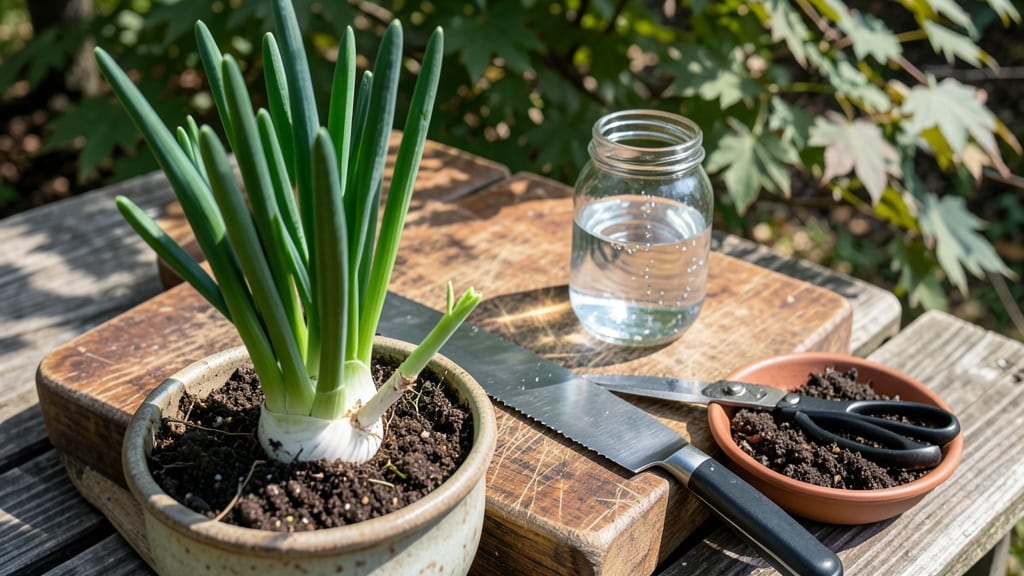
Your green onions just became a renewable kitchen staple. 🌱 The secret to endless harvests lies in that first clean cut—right above the soil line—where the plant hides its regrowth superpowers. I’ve turned a single bunch into a year-round supply by mastering this technique, and you can too.
Start with sharp scissors or a knife, cutting just above the soil where the roots meet the white bulb. Leave about an inch of green stem above the cut—this protects the plant from rot while keeping it strong enough to bounce back.
The soil should stay consistently moist (not soggy) and well-draining, because stressed roots won’t regrow. Within 2-3 weeks, you’ll see fresh green shoots pushing through, ready for another harvest.
Here’s where it gets exciting: you can harvest the same plant 5-6 times before it finally taps out, each time yielding more tender greens than store-bought.
The flavor stays crisp and mild, just like the first harvest. Just avoid cutting more than 1/3 of the plant at once—greedy cuts mean slower regrowth.
This method works in pots or garden beds, and even in winter if you keep them indoors with bright light. The only real failure point? Overwatering or letting the soil dry out completely.
Once you nail the timing, you’ll never buy green onions again—and your wallet (and garden) will thank you.
📚 In This Guide
- What you need
- Instructions
- Tips and common mistakes
- Wrapping up and next steps
What you need
- ● Green onions (scallions) – 1 bunch (about 10-15 stalks). Choose fresh, firm stalks with white roots still intact.
- ● Sharp kitchen knife – A chef’s knife (6-8 inches) or a serrated knife for clean cuts.
- ● Cutting board – Medium-sized (8x12 inches) with a non-slip mat for safety and stability.
- ● Water – 1-2 cups for the regrowth container (tap or filtered water works).
- ● Shallow container – A glass, ceramic, or plastic jar (6-8 oz) with a lid or a small bowl with drainage holes (like a mesh strainer).
- ● Paper towels or clean cloth – 1-2 sheets for drying roots after cutting.
- ● Organic compost or soil – Small pot (4-6 inches) for transplanting once regrowth is established.
- ● Spray bottle – For misting roots if the container dries out.
- ● Food-safe sealant (like beeswax) – To seal jar lids if you’re storing regrowth long-term.
- ● Label or marker – To track regrowth dates (because who doesn’t love a little garden science?).
Step-by-Step instructions for cutting green onions to regrow
Harvest repeatedly without sacrificing plants—here's how to keep your green onions thriving.
🌱 Step 1: Choose Healthy, Mature Green Onions
Select green onions with thick, white bulbs and 4-6 inches of green growth. Look for firm stems with no yellowing or soft spots—these are your best candidates for regrowth. I always pick ones with at least 3-4 inches of green left after cutting, because shorter stems struggle to regenerate properly.
Gently pull the plant from the soil to check the roots. Healthy roots should be white and fibrous, not brown or mushy. If the roots look compromised, let the plant recover for a week before harvesting again. The goal is to keep the bulb and root system intact so the plant can regrow.
✂️ Step 2: Make the Perfect Cut for Regrowth
Use a sharp knife or clean scissors to cut the green onion about 1 inch above the soil line. This leaves enough of the bulb exposed to regenerate new greens while preventing rot. I angle my cut slightly to create a flat surface—this helps water run off and reduces the chance of bacterial growth.
Don't cut too close to the soil (that risks damaging the growing point) or too high (you'll lose the plant's ability to regrow). After cutting, leave the plant in place—no need to replant or disturb the roots. The white bulb will eventually send up new shoots from the soil line.
💧 Step 3: Water and Fertilize for Fast Regrowth
Water the soil thoroughly right after cutting to help the plant recover. The roots need moisture to push out new growth, but avoid soggy soil—green onions hate sitting in water. I like to water until the top 2 inches of soil feel damp, then let it dry slightly before watering again.
Add a light dose of balanced fertilizer (like 10-10-10) or compost tea to encourage regrowth. The plant will need nutrients to produce new leaves, especially if you've been harvesting frequently. I wait 3-5 days after cutting before fertilizing to avoid burning the recovering roots.
☀️ Step 4: Monitor Light and Growth Conditions
Place your regrowing green onions in a spot with bright, indirect light—they need at least 4-6 hours of sunlight daily to regenerate properly. If you notice the leaves turning pale or stretching toward the light, move the pot to a sunnier location. Leggy growth means the plant isn't getting enough light to produce strong new shoots.
New growth should appear within 1-2 weeks, starting as small, pale shoots from the soil line. Once the greens reach 3-4 inches tall, you can harvest them again using the same cutting method. The first regrowth might be slower, but subsequent harvests will come faster as the plant establishes itself.
⏰ Step 5: Maintain a Regrowth Schedule
After the first regrowth, you can harvest every 2-3 weeks by cutting just above the soil line again. The plant will keep producing new shoots as long as you leave at least 1 inch of the white bulb intact. I mark my calendar to avoid over-harvesting—if I cut too frequently, the plant gets stressed and stops regenerating.
In cooler months, growth slows down, so I reduce harvesting frequency. Green onions go semi-dormant in winter but bounce back in spring. With proper care, a single plant can give you harvests for months, making it one of the most efficient home garden crops.
Tips & tricks for perfect green onion regrowth
Here's what nobody tells you about keeping your green onions thriving after each harvest.
Selection Matters: In Step 1, when choosing your green onions, focus on those with a diameter of at least 1/4 inch at the base. Thicker bulbs regrow more reliably than thin ones. I've found that plants with multiple stems (like three or four) recover faster than single-stemmed ones. Also, avoid any with hollow centers—they won't regrow as vigorously.
Cutting Technique: The 1-inch cut in Step 2 is crucial, but here's the secret: make your cut at a slight angle rather than straight across. This angled cut creates a larger surface area for water absorption and prevents the cut end from sitting directly on wet soil, which can cause rot. I use a small serrated knife for clean cuts that won't crush the bulb.
Light Requirements: Those 4-6 hours of sunlight in Step 4 are non-negotiable, but here's the catch: green onions actually prefer morning sun and afternoon shade in hot climates. If you notice the leaves turning yellow or crispy, it's usually a sign of too much direct afternoon sun. A simple shade cloth can work wonders during peak sun hours.
Seasonal Adjustments: In cooler months when growth slows, reduce your harvesting frequency to every 4-5 weeks instead of the usual 2-3 weeks. The plants need time to build energy reserves. I've even left some plants completely untouched through winter—when spring arrives, they produce an abundance of new shoots as a reward for their patience.
Pro Tips for Cut Green Onions To Regrow
- Here's what nobody tells you about keeping your green onions thriving after each harvest.
- Selection Matters: In Step 1, when choosing your green onions, focus on those with a diameter of at least 1/4 inch at...
- Cutting Technique: The 1-inch cut in Step 2 is crucial, but here's the secret: make your cut at a slight angle rather...
Frequently asked questions
Got questions about reviving your green onions? You’re not alone! Here are some of the most common queries—and their answers—to help you master the regrowth game like a pro.
How often should I cut green onions to regrow them?
Trim your green onions every 2–3 weeks when the tops reach about 6–8 inches. Avoid cutting too close to the base (leave 1–2 inches of green stem), or you risk stunting regrowth. Consistency is key—over-trimming stresses the plant, while under-trimming slows new growth.
Can I regrow green onions from store-bought ones?
Store-bought green onions often regrow if they’re fresh (check for firm roots) and have at least 1–2 inches of white bulb. Place them in a shallow dish of water, cover the roots, and keep them in bright, indirect light. Roots may take 1–2 weeks to sprout—patience pays off!
Why aren’t my green onions regrowing after cutting?
If your green onions refuse to bounce back, check these fixes:
- Not enough light: Move them to a sunny windowsill (6+ hours of light daily).
- Overcrowding: Separate bunches if they’re packed too tightly in water.
- Dirty water: Change the water every 2–3 days to prevent bacteria.
- Root rot: If roots smell foul or turn mushy, trim the bad parts and replant in fresh water.
Should I use soil or water to regrow green onions?
Both work, but water is easier for beginners—just keep the roots submerged and change the water regularly. For soil regrowth, plant the bulb ½-inch deep in well-draining potting mix, water lightly, and place in bright light. Soil-grown onions may take longer to regrow but yield sturdier stems.
How do I know when regrown green onions are ready to harvest again?
Harvest when the green tops reach 6–12 inches tall and the white bulb swells slightly. Snip just above the soil line (or water surface) with clean scissors. Pro tip: The first few harvests after regrowth may be milder in flavor—let them grow a bit longer for stronger taste!
Wrapping up and next steps
Regrowing green onions from scraps is a simple, rewarding way to save money and reduce waste—plus, you’ll always have fresh, flavorful herbs on hand!
By mastering the perfect cut (just above the roots) and keeping them in water or soil, you’re well on your way to a continuous harvest. Give it a try—your future meals (and wallet) will thank you!
Ready to level up your regrowth game? Experiment with different containers or soil mixes to see what works best for your space. Happy growing! 🌱