
How To
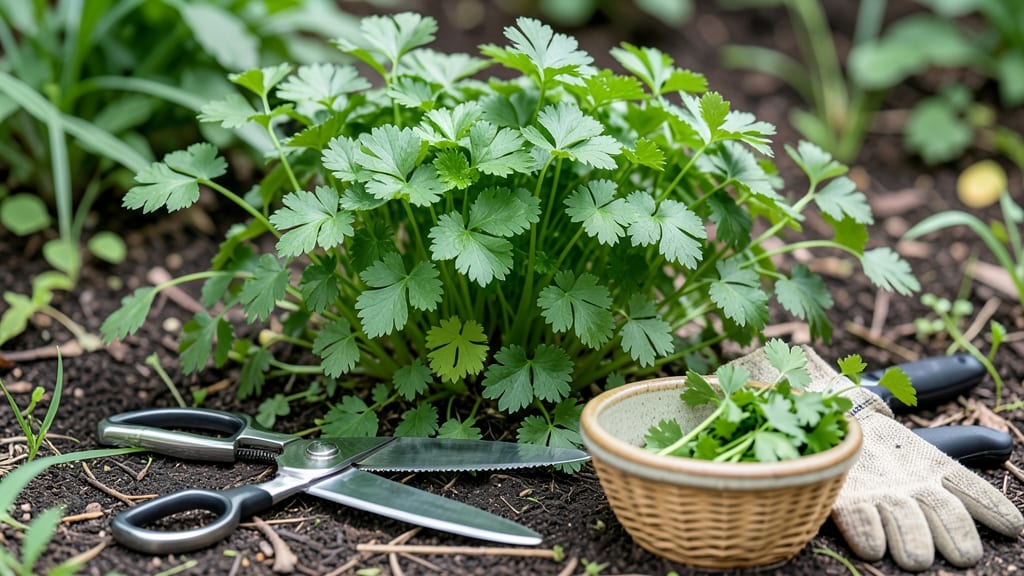
Harvesting flat leaf parsley 🌿 at the right time can mean the difference between vibrant, flavorful leaves and bitter, woody stems—so timing is everything.
This herb thrives when you cut it just as the stems reach 6 inches, but many gardeners miss the window or don’t know how to encourage regrowth.
Whether you’re prepping for a summer salad or stocking your freezer with homegrown goodness, mastering the harvest is the key to a productive garden all season long.
You might think parsley is low-maintenance, but the truth is, when you harvest makes all the difference. Skip the wrong timing, and you’ll end up with leggy plants or bolting (that’s when it flowers and tastes bitter).
But get it right, and you’ll enjoy a steady supply of fresh, aromatic leaves from June through October—or even later if you play your cards right. I’ll show you exactly how to spot the perfect moment and avoid common mistakes that waste your hard work.
Ready to transform your kitchen with homegrown parsley? The process is simpler than you’d think, and with the right techniques, you’ll keep your plants happy and productive for months. From the best tools to use to how to store your harvest for maximum freshness, I’ve got you covered.
Let’s dive into the steps that’ll have you harvesting like a pro in no time.
Whether you’re a beginner gardener or just looking to boost your herb game, this guide will help you harvest flat leaf parsley with confidence. No more guessing—just delicious, homegrown flavor straight from your garden to your plate. Let’s get started!
When to harvest flat leaf parsley for peak flavor and growth
Harvesting flat leaf parsley at the right time ensures maximum flavor and encourages continuous regrowth. Unlike curly parsley, flat leaf varieties develop larger, more robust leaves when given proper care.
The ideal harvest window begins when stems reach 6 inches tall—this is when leaves are fully unfurled and packed with flavor compounds.
Timing matters because parsley grows best in cool seasons. In most climates, you’ll harvest from late spring through early fall (June to October). If you live in a warmer zone, parsley may bolt prematurely, so provide partial shade during peak summer heat to delay flowering.
Here’s what to watch for: bright green leaves, firm stems, and a bushy appearance. Avoid harvesting if leaves are yellowing or stems feel spongy—this signals stress or disease. Regular harvesting every 4-6 weeks keeps plants productive and prevents bolting.
🌿
Harvesting too early (before 4 inches) means smaller leaves with less flavor, while waiting too long (after flowering) turns parsley bitter. I’ve found that morning harvests yield the freshest leaves—water the soil first to plump up the stems for easier cutting.
Seasonal shifts matter: In spring, parsley grows slowly, so harvest sparingly. By summer, growth accelerates—this is when you’ll get the most yield. If your parsley starts to bolt (send up flower stalks), stop harvesting immediately and pull the plant to prevent seed spread.
Pro tip: Use a sharp pair of scissors or pruners to cut stems at a 45-degree angle, about 1 inch above a leaf node. This encourages new side shoots to grow, giving you a bushier plant and more harvests over time.
🌱
If you’re growing parsley in containers, harvest even more frequently—every 3-4 weeks—since space is limited. Container-grown parsley often matures faster due to warmer root zones, so monitor growth closely.
In cooler climates, parsley may survive winter and produce edible leaves in early spring, though flavor intensifies after frost.
For year-round harvests, start a second planting in late summer (8–10 weeks before your first frost). This ensures a continuous supply without gaps. Just remember: flat leaf parsley is biennial, meaning it may produce bolting flowers in its second year—harvest aggressively to delay this.
Step-by-step guide to harvesting flat leaf parsley without damaging the plant
Harvesting flat leaf parsley correctly ensures your plant stays healthy and keeps producing those bright green, flavorful leaves you love. The key is to cut stems at the right height and use the right tools—this prevents stress and encourages regrowth.
I’ve learned that even a small mistake, like cutting too close to the base, can stunt your plant’s growth or invite pests.
Before you grab your shears, wait until your parsley reaches 6 inches tall with at least 6-8 mature leaves. This is when the leaves are fully unfurled and packed with flavor.
If you harvest too early, you’ll end up with small, sparse leaves that lack the robust taste you’re after.
Here’s how I do it step-by-step—plus a few pro tips to keep your parsley thriving:
- Use clean, sharp pruning shears or scissors to make a precise cut. Dull tools crush stems and invite disease.
- Avoid pulling leaves by hand—this tears the plant and leaves jagged edges that heal poorly.
- For container parsley, use small, sharp scissors to avoid overcrowding.
Next, identify the outer stems that are fully mature. These are the ones you’ll harvest first—they’re less likely to harm the plant’s center. Cut the stem at a 45-degree angle, about 1-2 inches above a leaf node (the point where leaves grow out).
This angle helps water run off and prevents rot.
If you’re harvesting multiple stems, leave the inner, younger stems untouched. These will continue growing while the outer stems regenerate. I like to harvest about 1/3 of the plant at a time to keep it balanced. Over-harvesting can shock the plant, especially in hot weather.
After cutting, give your parsley a light drink of water to revive any wilted stems. If the leaves look droopy, place them in a glass of water for a few hours—they’ll perk up and stay fresh longer.
For extra care, trim any yellow or damaged leaves immediately to encourage new growth.
Pro tip: Harvest in the morning when leaves are crisp and hydrated. This ensures the best flavor and texture for your recipes. And if your parsley starts to bolt (send up flower stalks), harvest the entire plant immediately—bolted parsley loses flavor and becomes bitter.