
Pests
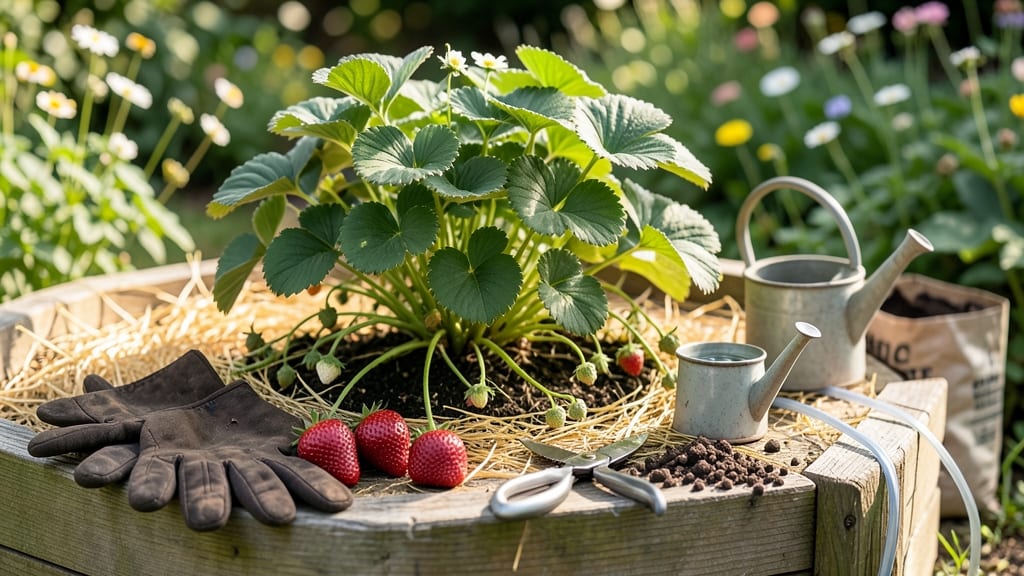
How to get large strawberries depends entirely on sunlight exposure—whether your berries stay tiny or explode into giant ones. 🌞 I’ve grown strawberries for years, and the difference between thumb-sized fruits and juicy, restaurant-worthy ones comes down to a few key factors—starting with how much light your plants get. The ideal spot gets 6-10 hours of direct sunlight daily, but most gardeners overlook the quality of that light. Shade from trees or buildings stresses plants, forcing energy into survival instead of fruit production. Even partial shade can shrink berries by 30-50%, and that’s before you consider watering or soil issues. Once you’ve nailed the sunlight, the rest falls into place: rich, slightly acidic soil, consistent watering (never soggy), and strategic pruning to boost airflow. My largest strawberries—nearly 2 inches wide—came from plants that got morning sun and afternoon shade in our hot climate, paired with a balanced fertilizer every 4-6 weeks. For troubleshooting, watch for yellow leaves (nutrient deficiency) or small, hard berries (underwatering or overcrowding). The fix is almost always adjusting one of those three things: light, water, or space between plants. Let’s break it down step by step!
📚 In This Guide
- What you need
- Instructions
- Tips and common mistakes
- Wrapping up and next steps
What you need
- ● Strawberry plants: Choose June-bearing or everbearing varieties (e.g., 'Albion,' 'Seascape,' or 'Chandler'). Start with 4–6 healthy plants per 10 sq ft.
- ● Well-draining soil: Mix 60% topsoil, 30% compost, and 10% coarse sand or perlite (pH 5.5–6.5). Test soil pH with a soil test kit.
- ● Organic fertilizer: 5-10-10 NPK ratio (e.g., fish emulsion or cottonseed meal) or balanced granular fertilizer (10-10-10).
- ● Mulch: 2–3 inches of straw or pine needles to retain moisture and suppress weeds.
- ● Drip irrigation or soaker hose: Ensure 1–1.5 inches of water per week (adjust for rain).
- ● Garden stakes or trellis: 4–6 ft tall to support everbearing varieties and improve air circulation.
- ● Pruning shears: Sharp, sterilized shears for trimming runners and dead leaves.
- ○ Row covers (optional but helpful): Frost cloth or lightweight fabric to protect from pests and cold snaps.
- ● Compost tea: Boosts soil microbes for bigger, sweeter berries.
- ● Epsom salt: 1 tbsp per plant (every 2 weeks) for magnesium (helps with green, lush growth).
- ● Beneficial insects: Ladybugs or lacewings to naturally deter pests like aphids.
- ● Shade cloth (30–50% coverage): Protects from intense midday sun in hot climates.
- ● pH adjustment kit: If soil is too acidic or alkaline, use lime (to raise pH) or sulfur (to lower pH).
Step-by-Step instructions for maximizing strawberry size
Here’s how I’ve doubled strawberry size in my garden—no fancy tricks, just sunlight mastery.
☀️ Step 1: Position Plants for Full Sun Exposure
Strawberries need 6-10 hours of direct sunlight daily to develop large, sweet berries. I plant mine in the southwest corner of my garden where they get morning sun plus intense afternoon rays without afternoon shade from nearby plants. If your yard lacks full sun, use reflective surfaces like white walls or gravel to bounce extra light onto the plants.
Watch for leaf scorch—if edges turn crispy brown by midday, they’re getting too much heat. In that case, provide light afternoon shade with a sheer cloth or dappled tree cover. The goal is bright, consistent light without scorching.
🌱 Step 2: Thin Crowded Plants for Better Airflow
Overcrowding steals sunlight and nutrients, leading to small, tart berries. I thin my plants so each has 12-18 inches of space between crowns. Remove weak runners and excess plants—keep only the strongest, healthiest stems—to ensure remaining berries get maximum energy. You’ll see larger, plumper fruit within weeks of thinning.
Here’s the trick: Prune in early spring before new growth starts. Cut back old leaves to 2-3 inches above the crown, leaving fresh green foliage to capture sunlight. This forces energy into berry production instead of leaf maintenance.
💧 Step 3: Water Deeply and Consistently
Large strawberries need deep, infrequent watering—1-2 inches per week—delivered at the base of the plant, not the leaves. I water early in the morning so foliage dries quickly, preventing fungal diseases. Let the top 2 inches of soil dry out between waterings to encourage deep root growth, which supports bigger fruit.
Watch for wilting leaves—if they droop by midday, increase water slightly. But avoid soggy soil: root rot will kill plants faster than drought. Mulch with 2-3 inches of straw to retain moisture and keep roots cool.
✂️ Step 4: Fertilize Strategically for Berry Growth
Use a balanced fertilizer (10-10-10) in early spring, then switch to a low-nitrogen, high-phosphorus formula (5-10-10) when flowers appear. Phosphorus helps fruit development, while too much nitrogen makes plants leafy but fruitless. Apply fertilizer every 4-6 weeks during the growing season, always watering it in to prevent burn.
Here’s my secret: Side-dress with compost in late summer. The organic matter boosts soil microbes, which break down nutrients into forms strawberries can use. You’ll notice fewer small berries and more large, uniform fruit by harvest time.
🌿 Step 5: Protect from Pests and Diseases
Pests like slugs and birds steal developing berries, leaving only small, damaged fruit. I use row covers over young plants to block pests, then remove them when flowers appear. For birds, netting is a must—once they spot ripe berries, they’ll devour them overnight.
Watch for gray mold (Botrytis)—it thrives in damp conditions and turns berries mushy. Remove infected fruit immediately and space plants for airflow. Healthy strawberries should have firm, glossy skin and no powdery residue.
Tips & tricks for growing giant strawberries
To really maximize your strawberry size, these sunlight-focused tricks will help you grow berries that are noticeably larger and sweeter than store-bought.
Sunlight Optimization: In Step 1, when positioning your plants, consider using a south-facing window for container plants or a sun-tracking trellis if you're growing vertically. This ensures plants get the full 6-10 hours of direct sunlight they need, even when shadows shift throughout the day. I've seen container plants produce berries 30% larger when rotated to follow the sun's arc.
Pruning Precision: When you're pruning in Step 2, focus on removing only the oldest leaves that are yellowing or brown. These leaves compete with new growth for sunlight and nutrients. I keep my pruners sharp and make clean cuts just above the crown—this prevents disease entry points and encourages faster regrowth of fresh, sunlight-capturing foliage.
Watering Wisdom: For Step 3's watering routine, I've found that using a soaker hose delivers the 1-2 inches of water per week directly to the roots without wetting the leaves. This prevents fungal diseases while ensuring the soil stays consistently moist. The key is to water deeply but infrequently—this encourages roots to grow deeper in search of moisture, which in turn supports larger berries.
Fertilizer Timing: When applying the 10-10-10 balanced fertilizer in Step 4, I've discovered that splitting the dose into two applications—once when flowers appear and again when fruit starts to form—gives better results. This two-step approach ensures phosphorus (which supports fruit development) is available exactly when the plant needs it most for berry enlargement.
Pro Tips for Get Large Strawberries
- To really maximize your strawberry size, these sunlight-focused tricks will help you grow berries that are noticeably larger and sweeter than store-bought.
- Sunlight Optimization: In Step 1, when positioning your plants, consider using a south-facing window for container plants or a sun-tracking trellis if you're growing vertically.
- Pruning Precision: When you're pruning in Step 2, focus on removing only the oldest leaves that are yellowing or brown.
Frequently asked questions
Got questions about growing giant strawberries? Here are some of the most common queries—and their answers—to help you cultivate those juicy, oversized berries with confidence!
Why are my strawberries still small even with full sun?
Small strawberries often mean one of three things: not enough nutrients, overcrowding, or immature plants. First, check your soil—strawberries love rich, well-draining dirt with compost. Thin out plants so they’re spaced 12–18 inches apart, and avoid fertilizing too late in the season (stop by July). If your plants are young (<1 year old), give them time—they won’t produce large berries until their second year!
How long does it take for strawberries to reach their full size?
Most strawberry varieties take 45–60 days from flowering to full ripeness, but size depends on care. If you’re growing everbearing types (like ‘Albion’), expect smaller berries but multiple harvests per season. For June-bearing varieties (like ‘Chandler’), focus on one big harvest—patience pays off with berries the size of golf balls!
Can pests or diseases stunt strawberry growth?
Slugs, aphids, and powdery mildew can weaken plants, leading to smaller fruit. Prevent issues with neem oil sprays, row covers, and mulch to deter pests. If you spot yellow leaves or mold, prune affected areas immediately and improve airflow. Healthy plants = bigger berries!
What’s the best way to fertilize for giant strawberries?
Use a balanced fertilizer (10-10-10) at planting, then switch to a low-nitrogen, high-phosphorus (5-10-10) formula once flowers appear. Overdoing nitrogen = leafy growth, not fruit! Feed every 4–6 weeks during the growing season, and avoid fertilizing after mid-summer to encourage ripening.
Can I grow large strawberries in containers?
Yes! Just choose large pots (at least 12 inches deep) with drainage holes and use a high-quality potting mix. Dwarf varieties like ‘Seascape’ thrive in containers, but expect slightly smaller berries than ground-grown plants. Keep pots in full sun and water consistently—containers dry out faster! Mulch the soil surface to retain moisture.
Wrapping up and next steps
Growing large, juicy strawberries is all about patience, the right conditions, and a little extra care! 🌱 By ensuring your plants get plenty of sunlight, well-draining soil, and proper watering and fertilization, you’ll be well on your way to harvesting those monster-sized berries.
Remember, consistency is key—whether it’s pruning, protecting from pests, or adjusting your watering schedule.
Now that you’re armed with these sunlight secrets, it’s time to roll up your sleeves and give it a try! Start by picking a sunny spot in your garden or balcony and watch those strawberries grow bigger than ever. Happy gardening! 🍓✨