
Size
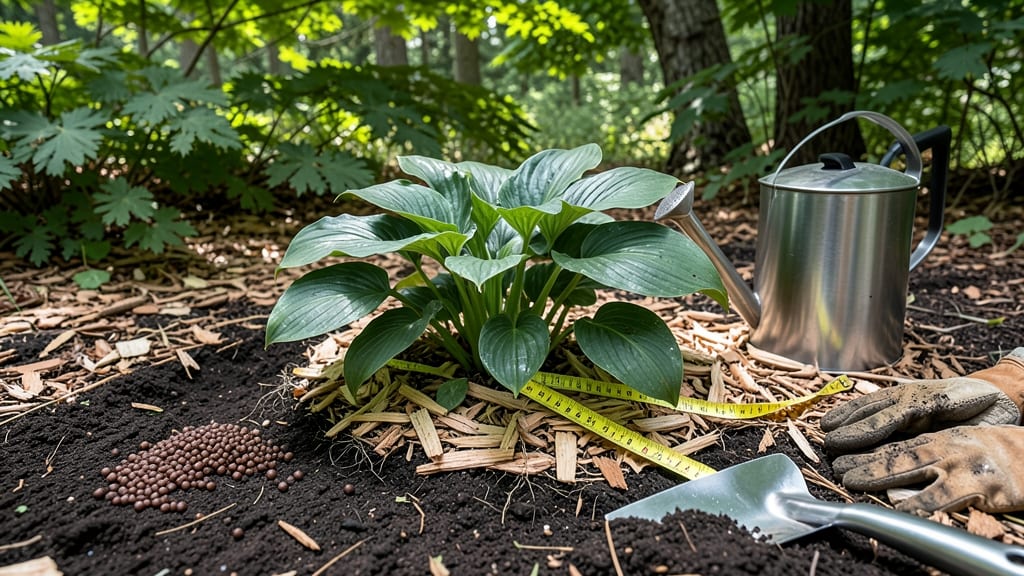
How to make hostas grow bigger—your hostas could double in size this season with just three tweaks. 🌿 I’ve watched my 2-inch clumps become 18-inch giants by focusing on light, soil, and spacing—no fancy tricks, just smart gardening. The secret starts with partial shade (morning sun, afternoon shade) and rich, moist soil—hostas hate dry roots. A 2-inch layer of mulch keeps moisture in, while a balanced fertilizer in early spring jumpstarts growth. Too much sun? Leaves scorch. Too little? They stay stunted. By dividing clumps every 3-4 years (spring or fall), you reset growth and create fresh, vigorous plants. Prune dead foliage in late winter to make room for new shoots, and watch them explode with lush, glossy leaves by summer. This works for any hosta variety—blue, gold, or variegated. The key is consistency: feed, water, and divide at the right times. Ready to transform your shady spots?
📚 In This Guide
- What you need
- Instructions
- Tips and common mistakes
- Wrapping up and next steps
What you need
- ● Hostas: Healthy, mature plants (2–3 years old for best results). Aim for at least 3–5 plants per cluster if dividing.
- ● High-quality potting soil or garden soil: Rich in organic matter (e.g., compost, peat moss, or a 50/50 mix of garden soil and compost). Quantity: Enough to fill containers or amend garden beds (1–2 cubic feet per plant).
- ● Slow-release fertilizer: Balanced (10-10-10 or 20-20-20) or hosta-specific fertilizer (e.g., Osmocote or Miracle-Gro Shake ’n Feed). Quantity: Follow package instructions (typically 1–2 tbsp per plant).
- ● Mulch: Organic mulch like shredded bark, pine straw, or leaf mold to retain moisture and regulate temperature. Quantity: 2–3 inches deep around plants.
- ● Watering can or hose with a gentle spray nozzle: For deep, consistent watering (avoid overhead sprinklers to prevent disease).
- ● Garden trowel or transplant spade: For digging and dividing clumps (if applicable).
- ● Pruners or sharp scissors: To trim dead leaves or divide roots cleanly.
- ● Garden gloves: To protect your hands from soil and sharp edges.
- ● Epsom salt (magnesium sulfate): 1 tbsp per gallon of water every 4–6 weeks for a green boost.
- ● Compost tea or fish emulsion: For an extra nutrient kick (especially for container-grown hostas).
- ● Shade cloth (30–50% coverage): If your hostas are in hot, direct sun (they prefer partial shade!).
- ● Plant supports (stakes or cages): For large, floppy varieties like ‘Blue Angel’ or ‘Sum and Substance.’
- ● Soil pH test kit: To ensure your soil is slightly acidic (6.0–7.0)—hostas thrive in this range!
Tips & tricks for maximizing hosta growth
These simple strategies will help you transform your hostas into lush, leafy giants before you know it.
Light Balance Insight: The 4-6 hours of morning sun is your sweet spot—think of it like a gentle wake-up call. If your hostas are getting afternoon sun, try moving them closer to shade around 11 AM. I've seen hostas go from sad to spectacular just by adjusting their position by a few feet. Watch for crispy leaf edges as your warning sign for too much sun.
Soil Science: That 2-3 inches of compost isn't just filler—it's where the magic happens. For sandy soil, I like to mix in an extra inch of peat moss to create a moisture sponge effect. The key is to get that soil pH between 6.5-7.5—you can test it with a simple soil kit from your garden center. Hostas will reward you with thicker stems and leaves when the soil is just right.
Watering Wisdom: Those 2-3 inches of water per week should go deep—think of it like giving your hostas a long drink rather than a quick sip. I use a trowel to check soil moisture 2 inches down. If it's dry, it's time to water. The mulch layer isn't just for looks—it's like a blanket that keeps roots cool and moisture locked in. Don't let soggy soil become a problem; always ensure good drainage.
Spacing Secret: The 2-3 feet spacing recommendation might seem generous, but trust me, it pays off. Crowded hostas compete for nutrients and become stressed. I've seen plants double in size just by giving them proper breathing room. When dividing, aim for those 3-5 inch sections with 2-3 healthy shoots—this gives each new plant a strong start. Planting the crown 1 inch below soil level helps prevent those unsightly exposed stems.
Pro Tips for Make Hostas Grow Bigger
- These simple strategies will help you transform your hostas into lush, leafy giants before you know it.
- Light Balance Insight: The 4-6 hours of morning sun is your sweet spot—think of it like a gentle wake-up call. If you...
- Soil Science: That 2-3 inches of compost isn't just filler—it's where the magic happens. For sandy soil, I like to mi...
Frequently asked questions
Got questions about growing bigger, bolder hostas? Here are some of the most common ones—and their answers!
How long does it take for hostas to grow bigger after dividing or transplanting?
Hostas typically take 1–2 growing seasons to fully recover and resume vigorous growth after division or transplanting. Focus on keeping the soil moist, providing shade (if needed), and avoiding heavy fertilizer until new roots establish—usually within 4–6 weeks. Patience is key!
Can hostas grow bigger in full sun? Aren’t they shade plants?
Hostas can grow in full sun, but their size and health depend on your climate and variety. In hot, dry regions, full sun may cause leaf scorch, stunting growth. Opt for partial shade (4–6 hours of sun) for most hostas, or choose heat-tolerant varieties like ‘Halcyon’ or ‘Francee’. Mulch helps retain moisture!
How often should I divide my hostas to keep them growing bigger?
Divide hostas every 3–5 years to prevent overcrowding and encourage larger clumps. The best time is early spring (before new growth) or fall (after foliage yellows). Over-dividing stresses plants, while under-dividing leads to smaller, weaker growth. Aim for 3–5 healthy crowns per division!
Why are my hostas growing slowly, even with good care?
Slow growth often stems from poor drainage, compacted soil, or nutrient deficiencies. Test your soil (pH 6.5–7.5 is ideal) and amend with compost or organic matter. Check for pests (slugs, snails) or diseases (fungus, rot). If roots are circling, it’s time to divide!
Can I use coffee grounds to make my hostas grow bigger?
Yes! Coffee grounds are great for hostas—they’re acidic (hostas love pH 6.5–7.5) and rich in nitrogen. Mix used grounds into the soil sparingly (1–2 cups per plant, 2x/year) to avoid over-acidifying. Pair with compost for balanced nutrition. Just avoid fresh grounds—they can burn roots!
How do I know if my hostas are getting enough space to grow?
Hostas need 12–24 inches of space between plants, depending on the mature size (check variety tags!). Crowded hostas compete for nutrients, leading to smaller leaves. If leaves are yellowing or stunted, it’s a sign they need more room. Divide or replant if clumps are dense!
Wrapping up and next steps
Growing bigger, lush hostas is all about giving them the right conditions—sunlight, nutrient-rich soil, proper spacing, and a little patience. With these simple yet powerful strategies, your hostas will thrive and multiply, filling your garden with vibrant foliage. 🌱✨
Now that you’re armed with the know-how, roll up your sleeves and get planting! Start with one or two of these tips this season, observe what works best for your garden, and watch your hostas reach their full potential. Happy gardening!