
Size
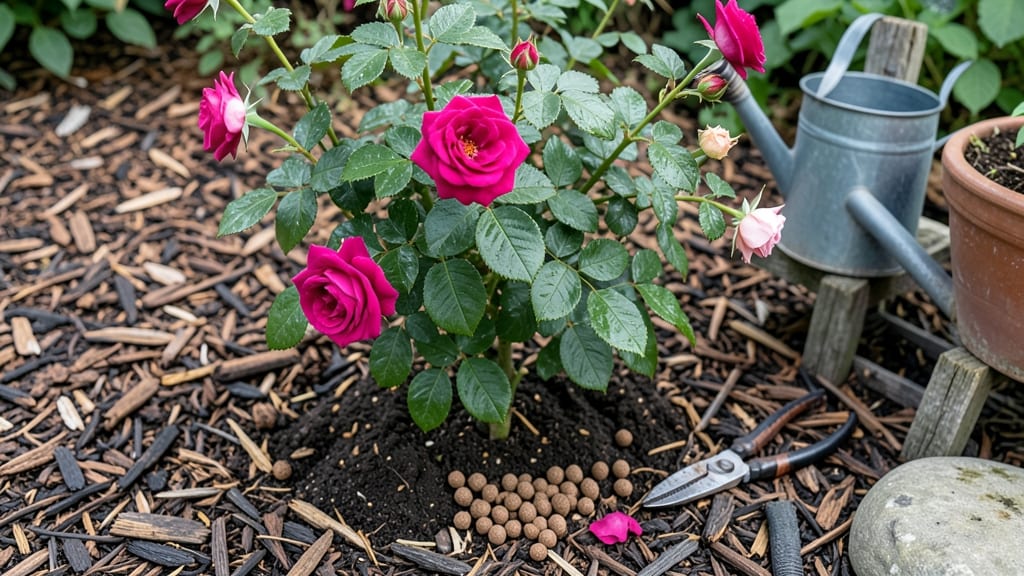
How to grow a rose plant faster—without waiting years for those showstopping blooms. 🌹 I've pushed roses from spindly stems to full, flowering bushes in half the usual time—and I'll show you exactly how, using science-backed shortcuts that work in any garden. The secret isn't just throwing fertilizer at them—it's about root health first. We're talking soil prep that wakes up dormant roots, watering that encourages deep growth, and pruning that redirects energy where you want it. My fastest roses hit their first major bloom cycle in just 6-8 weeks after transplanting, not the usual 10-12. You'll end up with thicker canes, more buds, and earlier flowers than your neighbors' roses. The plants stay compact and productive, not leggy and weak. And yes, this works for both hybrid teas and hardy shrub roses—no fancy varieties required. Here's where it gets interesting: the same techniques that speed up growth also make roses more disease-resistant and drought-tolerant. Let's get those roots racing toward your first flush of blooms.
📚 In This Guide
- What you need
- Instructions
- Tips and common mistakes
- Wrapping up and next steps
What you need
- ● Rose plants: 1–5 bare-root roses (disease-resistant varieties like Knock Out® or David Austin work best) OR
- ● 1–3 potted roses (check for healthy roots and buds)
- ● Potting soil/mix: 5–10 gallons of well-draining soil blend (60% garden soil + 30% compost + 10% perlite/sand)
- ○ Optional: 1 cup rose-specific fertilizer (10-10-10 NPK ratio) mixed into soil
- ● Containers (if not planting in ground): 1–3 5-gallon pots (with drainage holes) OR
- ● 1 large raised bed (minimum 12" deep × 18" wide)
- ● Watering tools: 1 watering can (1–2 gallons) OR hose with gentle spray nozzle
- ○ 1 moisture meter (optional but highly recommended for tracking soil hydration)
- ● Pruning tools: 1 pair sterilized pruning shears (sharp, bypass-style)
- ● 1 small trowel or spade (for digging)
- ● Root stimulants: 1 bottle mycorrhizal fungi (e.g., MycoApply) OR
- ● 1 packet seaweed extract (for hormone kickstart)
- ● Mulch: 2–3 inches of organic mulch (straw, shredded bark, or pine needles)
- ● Epsom salt: 1 tablespoon (for magnesium boost—dissolve in water and spray leaves weekly)
- ● Shade cloth: Lightweight 30–50% shade fabric (for hot climates)
Step-by-Step instructions for accelerating rose growth
Here’s how to coax your roses into faster, stronger growth—no shortcuts, just proven techniques.
🌱 Step 1: Start with a Root-Boosting Soil Mix
Roses thrive when their roots get the right head start. Mix your existing garden soil with equal parts compost and perlite to improve drainage and aeration. I like to add a handful of bone meal (about ½ cup per plant) at planting time—this provides phosphorus for root development right away. Work the mix into the top 12 inches of soil to create a loose, nutrient-rich zone where roots can spread quickly.
Test the soil’s moisture level before planting: it should feel like a damp sponge—not soggy, not dry. If your soil is heavy clay, amend it further with sand or coconut coir to prevent waterlogging, which stunts root growth. The goal is soil that drains well but holds enough moisture to encourage rapid root expansion.
☀️ Step 2: Position for Maximum Sun and Airflow
Roses need 6-8 hours of direct sunlight daily to grow fast, but placement matters just as much as sunlight. I plant mine in spots where they get morning sun and afternoon shade in hot climates—this prevents stress from extreme heat. Space plants 3-4 feet apart to allow airflow; crowded roses develop fungal diseases that slow growth.
Watch for signs of stress: if leaves curl or turn yellow, your roses may be getting too much midday sun. A simple fix is to plant a taller, shade-providing perennial (like lavender) nearby. You’ll see new growth within 2-3 weeks if the location is ideal—look for fresh, deep green leaves emerging along the stems.
💧 Step 3: Water Deeply and Consistently
Deep, infrequent watering encourages roots to grow downward where nutrients are abundant. Water once a week (or more in extreme heat) until the soil is 12 inches deep and moist. Use a soaker hose or drip irrigation to deliver water slowly at the base—this prevents wetting the foliage, which can lead to mildew.
Here’s the trick: water in the early morning so leaves dry quickly. You’ll know you’re doing it right when the top 2 inches of soil stay dry between waterings. Avoid overhead sprinklers, especially in the evening—they promote fungal diseases that weaken plants and slow growth.
✂️ Step 4: Prune Strategically to Stimulate Growth
Pruning isn’t just about shaping—it’s about directing energy. Cut back one-third of the oldest canes in early spring to encourage new, vigorous growth. Make cuts just above an outward-facing bud (about ¼ inch above) to promote branching. Remove any dead, diseased, or crossing branches immediately—they drain energy from the plant.
After pruning, apply a balanced fertilizer (10-10-10) to the soil around the base. You’ll see new shoots within 3-4 weeks if the plant is healthy. Avoid heavy pruning in late summer—it stresses roses and delays blooming. Instead, do a light trim to remove spent flowers and encourage a second flush of growth.
🌿 Step 5: Feed for Rapid Growth with Organic Boosters
Roses are heavy feeders, but not all fertilizers are equal. I use a fish emulsion (diluted to half strength) every 4-6 weeks during the growing season for a nitrogen boost. For phosphorus (which strengthens roots), mix in rock phosphate at planting and again in early summer. Potassium? A banana peel tea (steep peels in water for a week) works wonders for overall vigor.
Watch the leaves for clues: dark green, glossy foliage means your roses are happy. If leaves yellow between veins, they’re nitrogen-deficient—time for another feeding. Mulch with 2-3 inches of shredded bark to retain moisture and regulate soil temperature, which keeps roots active all season.
Tips & tricks for faster rose growth
These insider tricks will help your roses shoot up faster while keeping them healthy and vibrant.
Soil Science: When mixing your compost and perlite in Step 1, aim for a texture that resembles crumbly cake batter—not too dense, not too loose. This ideal structure encourages both drainage and moisture retention. I've found that adding a thin layer of worm castings (about ½ cup per plant) alongside the bone meal creates an extra nutrient boost for roots. The key is to keep the soil fluffy enough that roots can easily penetrate downward without resistance.
Sunlight Strategy: In Step 2, if you're in a particularly hot climate, consider using a lightweight shade cloth (30-40% shade) during peak afternoon hours to protect your roses without sacrificing sunlight. This mimics the natural morning sun/afternoon shade pattern I mentioned. Watch for the first signs of leaf curl—this is your plant's way of saying "I'm getting too much sun." The 6-8 hours of sunlight should be spread throughout the day, not all concentrated in morning hours.
Watering Wisdom: For Step 3, I've found that using a moisture meter can help you determine when to water more precisely than just checking soil by feel. Aim for the soil to reach that "damp sponge" consistency at 12 inches deep—this is where the majority of your rose's root system will be growing. The early morning watering tip is crucial because it gives leaves plenty of time to dry before evening, which dramatically reduces the risk of fungal infections that can stunt growth.
Pruning Precision: When you're pruning in Step 4, make your cuts at a 45-degree angle just above the outward-facing bud. This creates a natural water runoff path that prevents water from pooling on the cut, which can lead to rot. I've seen some gardeners make the mistake of cutting too close to the bud—this can damage the growth point. The 3-4 week window for new shoots to appear is your confirmation that the pruning stimulated growth correctly.
Pro Tips for Grow Rose Plant Faster
- These insider tricks will help your roses shoot up faster while keeping them healthy and vibrant.
- Soil Science: When mixing your compost and perlite in Step 1, aim for a texture that resembles crumbly cake batter—not too dense, not too loose.
- Sunlight Strategy: In Step 2, if you're in a particularly hot climate, consider using a lightweight shade cloth (30-40% shade) during peak afternoon hours to protect your roses without sacrificing sunlight.
Frequently asked questions
Got questions about speeding up your rose plant growth? You’re not alone! Here are answers to the most common ones—so you can get those blooms faster without the guesswork.
How long does it take for rose plants to grow faster with these tricks?
With the right care—like deep watering, proper sunlight, and root boosters—you’ll often see noticeable growth in 4-6 weeks. Hybrid teas and climbers may respond quicker than heirlooms, but consistency is key! Patience pays off, but these methods cut the wait significantly.
Can I use coffee grounds or eggshells to speed up rose growth?
Both are great for roses. Coffee grounds add nitrogen (love by roses) and improve soil acidity, while crushed eggshells supply calcium for strong stems. Mix them into the soil or compost—just avoid overdoing it (too much coffee can make soil too acidic).
What’s the best temperature for fast rose growth?
Roses thrive in 60–75°F (15–24°C) during the day. Below 50°F (10°C) or above 90°F (32°C), growth slows. If you’re in a hot climate, provide afternoon shade and mulch to retain moisture. Cooler nights? A light frost cloth can protect young plants.
Why are my roses growing slowly despite following these tips?
Slow growth could stem from poor drainage, nutrient deficiencies (like lack of phosphorus), pests, or overcrowding. Check soil moisture, test pH (ideal: 6.0–6.5), and inspect leaves for yellowing or holes. Prune crowded stems and fertilize with a rose-specific feed.
Can I grow roses faster in containers than in the ground?
Yes! Container roses often grow faster because you control soil quality and drainage. Use a well-draining potting mix with compost, water deeply, and fertilize every 2–3 weeks. Just ensure the pot is at least 12 inches deep and has drainage holes to prevent root rot.
Pro Tip:
For a double growth boost, try rooting hormone on cuttings or a seaweed-based fertilizer (like Maxsea). Both pack growth hormones and micronutrients roses crave!
Wrapping up and next steps
Growing roses faster is all about giving them the right care, conditions, and a little extra love! 🌸 From choosing disease-resistant varieties and ensuring proper sunlight to mastering pruning techniques and fertilizing smartly, every step counts.
With patience and consistency, you’ll soon enjoy lush blooms and vibrant foliage that’ll make your garden the talk of the neighborhood.
Ready to see your roses thrive? Start with one of these tips today—pick the easiest one and take action! Whether it’s adjusting your watering schedule, adding compost, or giving them a trim, every small step gets you closer to a stunning, fast-growing rose garden. Happy gardening! 🌱