
How To
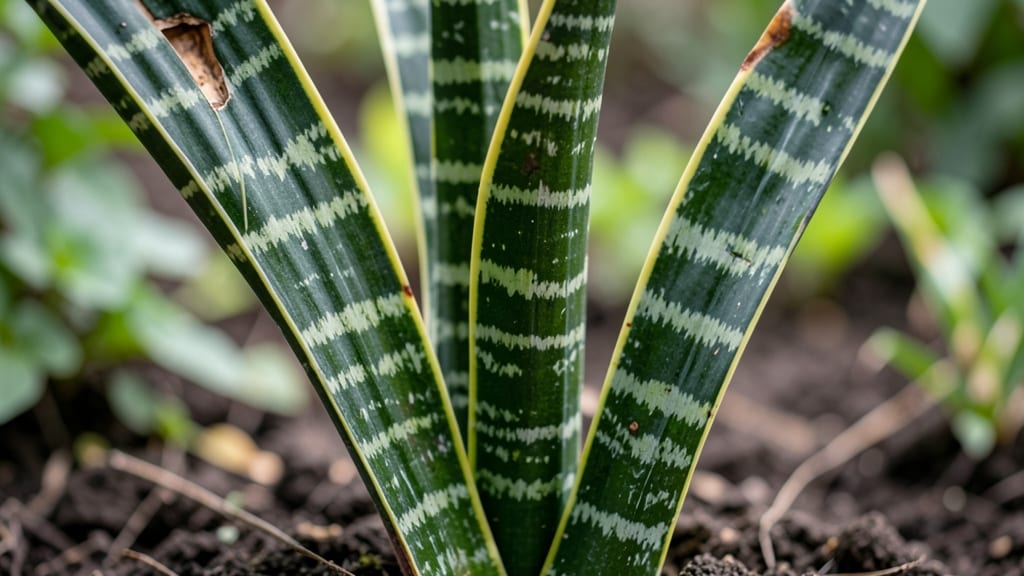
How to fix an overwatered snake plant isn’t as daunting as it seems—it’s just a chance to reset your plant’s health. 🌱 I've nursed more overwatered snake plants back to health than I'd like to admit, and the process is simpler than most gardeners think. The key is acting fast before root rot takes hold, which I learned the hard way after losing three plants in a row last winter.
Start by assessing the damage: black, mushy roots and yellowing leaves mean it's been too wet. Trim away the rot with clean scissors, then repot in fresh, well-draining soil—snake plants thrive in a mix that dries out quickly between waterings.
My go-to is cactus/succulent mix with perlite added for extra airflow.
Within two weeks, you'll see new growth pushing from the base as the plant recovers its confidence. The leaves will firm up, turn that signature deep green, and eventually, the plant will bounce back stronger than before. Honestly, this is where snake plants shine—they're the ultimate comeback kids of houseplants.
Prevention is where it gets interesting: water only when the top 2-3 inches of soil are completely dry, and always use pots with drainage holes. I've been using the "finger test" method for years—stick your finger in the soil before watering, and if it feels damp, wait another day.
Trust me, your snake plant will thank you.
📚 In This Guide
- What you need
- Instructions
- Tips and common mistakes
- Wrapping up and next steps
What you need
- ● Well-draining potting mix: 1 bag (1-2 gallons) of a cactus or succulent mix (or a blend of 50% potting soil + 50% perlite/pumice). Avoid regular garden soil—it holds too much moisture!
- ● Pot with drainage holes: 1 container (slightly larger than the current pot). Terracotta or ceramic works best to wick away excess moisture.
- ○ Gloves (optional but recommended): A pair of gardening gloves to protect your hands from damp soil and potential root rot.
- ● Pruning shears or sharp scissors: 1 pair (sterilized with rubbing alcohol) to trim mushy, black, or foul-smelling roots.
- ● Spray bottle: 1 small bottle filled with room-temperature water (for misting leaves if needed).
- ○ Rooting hormone (optional): 1 small tube or powder to boost regrowth if you’re propagating cuttings.
- ● Fungicide (like hydrogen peroxide or neem oil): Diluted solution (1 part hydrogen peroxide to 4 parts water) to prevent fungal infections.
- ● Charcoal granules: 1 handful to mix into the soil for natural odor control and drainage.
- ● Heat mat (for propagation): 1 small mat to encourage faster root growth if you’re replanting cuttings.
- ● Moisture meter: 1 digital meter to check soil moisture levels before watering again.
Step-by-Step instructions for reviving an overwatered snake plant
Here’s how I bring snake plants back from soggy soil—no stress, just action.
💧 Step 1: Stop Watering and Assess the Damage
First, halt all watering immediately. Snake plants (Sansevieria) thrive on neglect, and overwatering causes root rot, which looks like yellowing leaves, mushy stems, or a foul smell from the soil. Gently remove the plant from its pot and inspect the roots—healthy roots are firm and white, while rotten ones are brown, mushy, and crumble easily.
If the roots are mostly healthy, you can save the plant with minimal trimming. But if more than half are rotted, you’ll need to cut away the damaged sections with clean, sharp scissors. Don’t panic if the plant looks sad—snake plants are tough and bounce back fast.
✂️ Step 2: Trim Rotten Roots and Repot in Fresh Soil
Using sterilized pruning shears, snip off all the mushy, blackened roots. Healthy roots should snap when bent, not squish like overcooked pasta. Once you’ve cleaned up the roots, let the plant air-dry for 30-60 minutes—this helps prevent further rot. While it’s drying, fill a clean pot (one with drainage holes) with well-draining soil, like a mix of cactus/succulent mix and perlite (I use a 2:1 ratio).
Place the trimmed plant into the new pot, ensuring the base sits just above the soil line. Press gently to hold it in place, but don’t pack the soil too tightly—snake plants hate soggy roots. Water lightly only if the soil feels completely dry to the touch, then wait 3-5 days before watering again.
☀️ Step 3: Adjust Light and Watering for Recovery
Move your revived snake plant to a spot with bright, indirect light—think east or north-facing windows. Direct sun can stress a recovering plant, while low light slows regrowth. You’ll know it’s healing when new growth appears at the base or when the yellowed leaves stop drooping. This can take 2-4 weeks, so be patient.
Water only when the top 2 inches of soil are bone-dry. Stick your finger in the soil—if it feels damp, wait another day. Overwatering is the #1 killer of snake plants, so err on the side of underwatering during recovery. Once the plant shows signs of new life (like upright leaves or tiny shoots), you can ease back into your normal watering routine.
Tips & tricks for reviving an overwatered snake plant
Here's what nobody tells you about bringing your snake plant back to life—these tricks saved mine after I nearly gave up.
The Air-Dry Secret: That 30-60 minute air-dry period in Step 2 isn't just about preventing rot—it's your plant's chance to recover from shock. Place it on a clean towel or paper towel in a dry spot. The goal is to let any remaining moisture evaporate completely before repotting. I learned this the hard way after repotting too soon and seeing new rot develop within days.
Root Inspection Hack: When checking roots in Step 1, don't just look—give them a gentle squeeze. Healthy roots should feel firm like uncooked spaghetti, while rotted roots will collapse between your fingers. This visual and tactile check helps you decide how aggressive you need to be with trimming. Confession: I skipped this step for years and wondered why my plants kept dying.
Soil Mix Matters: The cactus/succulent mix and perlite ratio (2:1) is crucial because snake plants need soil that drains like a sieve. If you don't have perlite, try coarse sand or even small gravel. The key is creating air pockets that prevent moisture buildup. I now keep a bag of perlite specifically for my snake plants—it's worth the small investment.
Light Positioning: In Step 3, east-facing windows are ideal because they provide bright light without the intensity of south-facing windows. If you only have south-facing space, place your plant 3-4 feet back from the window to avoid leaf scorch. I've seen plants recover beautifully in these conditions, while others in direct sun struggled despite proper watering.
Pro Tips for Fix Overwatered Snake Plant
- Here's what nobody tells you about bringing your snake plant back to life—these tricks saved mine after I nearly gave up.
- The Air-Dry Secret: That 30-60 minute air-dry period in Step 2 isn't just about preventing rot—it's your plant's chance to recover from shock.
- Root Inspection Hack: When checking roots in Step 1, don't just look—give them a gentle squeeze.
Frequently asked questions
Got questions about reviving your soggy snake plant? You’re not alone!
Here are answers to the most common concerns—so you can get back to enjoying your hardy houseplant without the stress.
How long does it take for an overwatered snake plant to recover?
Recovery time depends on the damage, but with proper care, you’ll often see improvement in 2–4 weeks. If roots are severely rotted, new growth may take 6–8 weeks. Stay patient—snake plants are resilient! Monitor soil moisture and avoid watering until the top 2–3 inches are dry.
Can I save a snake plant with mushy, black leaves?
Yes, but act fast! Trim the mushy, blackened leaves below the damage with clean scissors. Focus on fixing the roots and soil. If the stem is still firm, the plant can regrow. For severe cases, propagate the healthy stems in fresh, well-draining soil.
How often should I water my snake plant after fixing overwatering?
Let the soil dry out completely between waterings—usually every 2–4 weeks, depending on light and humidity. Stick your finger 2 inches into the soil; if it’s dry, it’s time to water. Overwatering is the #1 killer, so err on the side of underwatering!
What’s the best soil mix to prevent future overwatering?
Use a fast-draining mix like:
- 50% cactus/succulent soil
- 30% perlite or pumice
- 20% coarse sand or orchid bark
My snake plant’s leaves are yellow and droopy—is it too late?
Not necessarily! Yellow, droopy leaves often signal root rot, but the plant can still bounce back. Trim affected leaves, repot in fresh soil, and adjust your watering habits. If the base is soft or smelly, the rot may be severe—but propagate healthy stems to save the plant!
Wrapping up and next steps
Your snake plant isn’t lost yet—with the right care, it can bounce back stronger than ever! 🌱 By adjusting your watering habits, ensuring proper drainage, and giving it time to recover, you’re already on the path to revival. Next, monitor its progress: trim any mushy leaves, repot if needed, and watch those resilient roots make a comeback.
You’ve got this!