
Watering
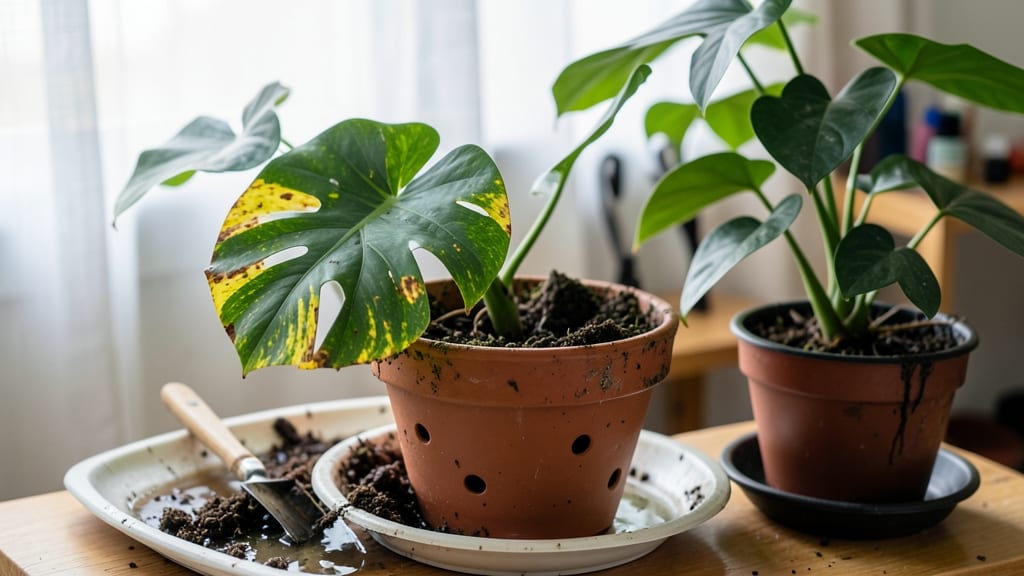
How to dry overwatered soil—your plants aren't drowning, they're suffocating. 🌱 Overwatered soil turns roots into soggy mush, and the signs are unmistakable: yellowing leaves, that musty smell, and plants that won't bounce back. We've fixed this problem in everything from struggling houseplants to soggy raised beds, and the solution is simpler than you'd think—it starts with stopping the water first.
The key lies in three focused actions: improving drainage, aerating compacted soil, and adjusting your watering rhythm. You don't need fancy tools—just a trowel, some coarse sand or perlite, and patience.
We'll show you how to test your soil's moisture level properly (yes, there's a right way) and create airflow so roots can breathe again. Most gardeners skip this step and wonder why their plants keep failing.
What you'll end up with is soil that holds moisture without drowning roots—firm but not waterlogged, with just enough air pockets for healthy growth. The first visible improvement comes within 5-7 days: leaves perk up, new growth appears, and that dreaded mold smell disappears.
For containers, this method works in 24 hours if you act fast.
Here's the thing—this isn't a one-time fix. We'll show you how to maintain proper drainage long-term, whether you're dealing with heavy clay soil or containers that trap water. The goal is soil that stays balanced: moist enough to support plants, but never soaking wet. Let's get those roots breathing again.
📚 In This Guide
- What you need
- Instructions
- Tips and common mistakes
- Wrapping up and next steps
What you need
- ● Well-draining potting mix or garden soil: 2–3 gallons (for small pots) or enough to refill the affected area (for garden beds). Look for a mix labeled "well-draining" or with perlite/vermiculite.
- ● Perlite or vermiculite: 1–2 cups (helps aerate compacted soil and improve drainage).
- ○ Coarse sand (optional but helpful): 1 cup (for heavy clay soil to break up compaction).
- ● Drainage tray or saucer: 1 (if repotting or working with containers).
- ● Trowel or small shovel: 1 (for loosening soil gently).
- ● Spray bottle (fine mist) or watering can with a gentle nozzle: 1 (for controlled rehydration later).
- ● Plastic sheeting or newspaper: Enough to cover the work area (to contain mess).
- ○ Fan (optional but speedy): 1 (for accelerating evaporation in humid climates).
- ● Moisture meter: 1 (to check soil moisture levels accurately).
- ● Root stimulator or mycorrhizal fungi: 1 packet (boosts root recovery post-stress).
- ● Compost or worm castings: ½ cup (adds nutrients after soil dries).
- ● Gloves: 1 pair (to protect your hands from wet soil).
Tips & tricks for reviving overwatered soil
Here's what nobody tells you about saving plants from root rot—these tricks make all the difference when your soil feels like a swamp.
Soil Weight Test: That 15-30 minute gravity drain in Step 1 isn't just about removing excess water—it's about resetting the soil's moisture balance. I've learned the hard way that lifting the pot to check weight is more reliable than visual cues. A heavy pot means waterlogged roots, even if the surface looks dry. For container plants, place them in a shallow tray and let excess water drain completely before proceeding—this prevents the soil from rebounding to saturated levels too quickly.
Root Rescue Technique: When testing soil saturation with a wooden skewer, look for two signs: the wet trail (obvious) and the soil's resistance. If the skewer slides through like butter, your roots are drowning. Here's my game-changer: instead of poking directly at roots, I make small vertical cuts around the perimeter first. This creates air channels without disturbing the fragile root structure. Think of it like making a loose cage around the roots to allow oxygen flow while protecting them from direct manipulation.
Light and Ventilation Strategy: The bright, indirect light recommendation in Step 3 isn't just about photosynthesis—it's about creating an evaporation gradient. Place your plant near an east-facing window where morning sun warms the soil gently without scorching. For container plants, I prop open the container's drainage holes slightly with a small stick to create micro-ventilation. This passive airflow helps evaporate residual moisture while maintaining humidity around the foliage, which stressed plants actually need more of than you'd think.
Recovery Timeline: That one-week recovery window mentioned in Step 3 is actually a minimum. I've seen plants with severe root rot take up to three weeks to show real signs of recovery. The key is consistency—check soil moisture at the same time each day (morning works best) and resist the urge to water "just a little." Remember, you're not just drying soil; you're teaching your plant to regulate its own moisture balance again.
Pro Tips for Dry Overwatered Soil
- Here's what nobody tells you about saving plants from root rot—these tricks make all the difference when your soil fe...
- Soil Weight Test: That 15-30 minute gravity drain in Step 1 isn't just about removing excess water—it's about resetti...
- Root Rescue Technique: When testing soil saturation with a wooden skewer, look for two signs: the wet trail (obvious)...
Frequently asked questions
Got questions about drying out soggy soil? You’re not alone!
Here are answers to the most common concerns—plus expert tips to save your plants without stress.
How long does it take for overwatered soil to dry out?
Drying time depends on soil type and conditions. Sandy soil may dry in 2–3 days, while clay or heavy soil can take 1–2 weeks. Speed it up by removing excess water (see Step 1) and improving drainage with organic matter like perlite or compost. Patience is key—don’t rush or risk root rot!
Can I speed up the drying process?
Yes! Try these tricks:
- Loosen soil with a fork or trowel to help air circulate.
- Use a fan on low to evaporate moisture faster (great for indoor plants).
- Move potted plants to a sunny, breezy spot (but avoid direct scorching sun).
- Add coarse sand or gravel to the top layer to wick away water.
Will my plant survive if the soil is still damp after a week?
It depends on the plant and root condition. If leaves are yellowing or wilting, roots may already be suffering. Check for a foul odor (sign of rot) or mushy roots—if present, act fast by repotting in fresh, dry soil. For tougher plants (like succulents), they might bounce back, but monitor closely. When in doubt, less water is better!
How do I know if my soil is too dry after fixing overwatering?
Test it with your finger: Dry soil should feel crumbly and slightly resistant (like a squeezed sponge). If it’s powdery or cracks easily, it’s over-dried. Reintroduce water gradually—soak the top inch, then wait 1–2 days before watering again. Use a moisture meter for accuracy if you’re unsure.
What if my plant is in the ground (not a pot)? Can I still fix it?
For garden beds:
- Dig a 1-inch trench around the plant to improve drainage.
- Mound sand or compost near the base to absorb excess moisture.
- Mulch with straw or wood chips (but keep it 2–3 inches away from the stem).
Wrapping up and next steps
Reviving overwatered soil isn’t just possible—it’s a rewarding process that can save your plants and boost your green-thumb confidence! 🌱 By following the right steps—draining excess water, improving aeration, and adjusting your watering habits—you’ll give your roots the fresh start they deserve.
Don’t let a little soggy setback discourage you; every gardener faces this, and you’ve got this!
Now that you’re armed with the know-how, take action today. Start with one overwatered pot or patch of soil, and watch as your plants perk up. Pro tip: Keep a watering journal to track progress and avoid future mishaps. Happy gardening! 🌿