
How To
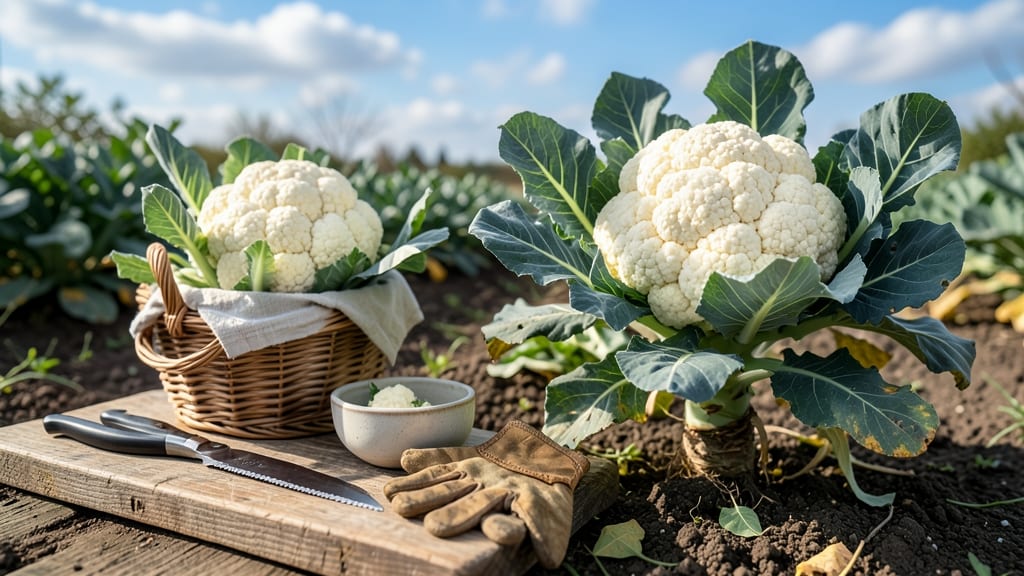
3 Key signs your cauliflower is ready for harvest (color, size & knob check)
Harvesting cauliflower at the perfect moment transforms your garden into a culinary treasure chest. The ideal harvest window is brief—just 2-3 days—so knowing the three critical signs saves you from bitter, woody curds or wasted effort.
I’ve learned the hard way that skipping these checks means sacrificing flavor and texture.
First, focus on the head’s color. For classic white varieties, the curd should be a bright, uniform white, not pale or yellowing. Purple cauliflower turns a deep, even violet, while romanesco stays a vibrant lime-green with creamy yellow.
Any discoloration signals overmaturity or stress. I always double-check under the outer leaves where sunlight doesn’t reach.
Next, examine the head size. Mature cauliflower should measure 6-8 inches in diameter, roughly the size of a grapefruit. Smaller heads (4 inches) are underdeveloped, while larger ones risk becoming tough. Pro tip: Use a tape measure if you’re unsure—precision matters!
Seasonal timing also plays a role. In cool climates (USDA Zones 3-6), harvest cauliflower in late spring to early summer when temperatures stay below 75°F (24°C).
Heat stress causes curds to bolt or split, ruining your harvest. I’ve seen firsthand how a sudden heatwave can turn perfect heads into bitter, stringy messes.
Don’t ignore the variety-specific cues. Purple cauliflower, for example, often matures slightly earlier than white varieties, while romanesco may take 10-14 extra days. Always cross-reference your seed packet’s days-to-maturity with these visual checks.
I keep a small notebook to track my plants’ progress—it’s saved me from missing the harvest window!
Finally, watch for pest damage like holes or chewed edges on the leaves. While this doesn’t always disqualify the curd, severe damage can lead to bitterness or off-flavors.
If the head itself shows signs of pests, harvest immediately and inspect the curd before cooking. A quick rinse removes surface pests, but internal damage is irreversible.
Timing your harvest correctly ensures tender, sweet curds that shine in roasted dishes, soups, or raw preparations. Miss the window, and you’ll end up with woody, flavorless heads that even the best recipes can’t salvage.
Trust your eyes, your fingers, and your garden’s seasonal rhythm—it’s the secret to cauliflower perfection. 🥬
3 Key signs your cauliflower is ready for harvest (color, size & knob check)
Cauliflower won't wait forever—once those snow-white curds start showing signs of maturity, you've got a 24-48 hour window to harvest before they turn tough or bitter.
The trick is catching those three critical signs that scream "pick me now!" while avoiding the common mistakes that turn perfect heads into garden disappointments.
First, pay attention to the curd color. Mature cauliflower curds should be solid white (for standard varieties) or deep purple/green (for heirloom types), with no yellowing or browning.
If you see green streaks creeping in, that's a sign the plant is pushing too fast—time to harvest before it turns woody and bitter.
The head size is your second clue. Aim for a 6-8 inch diameter—think golf ball to softball size. If it's smaller than a baseball, it's not ready yet.
Pro tip: Dwarf varieties (like 'Snowball Y Improved') stay compact, while standard types can grow larger—don't let them get oversized or the center turns woody.
Here's where many gardeners trip up: the knob tightness test. Gently press the curd with your thumb—it should feel firm but slightly yielding, like a ripe avocado.
If it feels squishy, it's underripe; if it's rock-hard, you've missed your window. For Romanesco varieties, the fractal patterns should be fully formed and crisp.
Don't ignore the outer leaves either! When the lower leaves start yellowing and dying back, it's nature's way of saying, "Harvest soon!" This is especially true in hot weather, where cauliflower matures faster. Purple varieties might show bronzing on the leaves—another sign it's time to act.
Finally, check the weather forecast. If a heatwave or heavy rain is coming, harvest 24 hours early—extreme conditions can cause premature yellowing or bitterness. Always harvest on a dry morning to prevent rot.