
How To
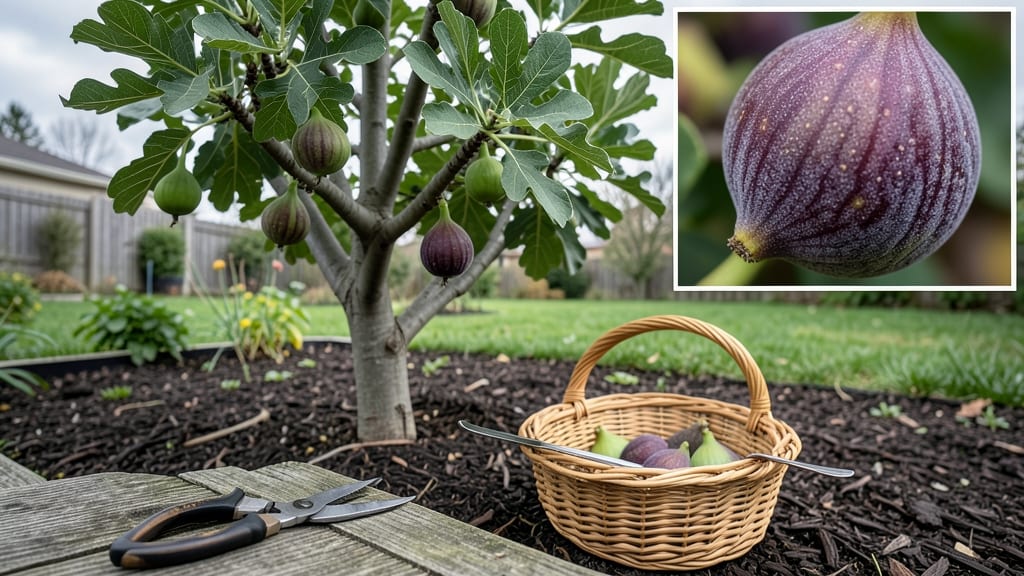
How to know when figs are ready to pick can turn your harvest from disappointing to downright delicious—and the secret lies in three simple tricks most gardeners miss.
I’ve spent years watching figs ripen, and the best way to tell is by checking their skin, stem, and weight. Skip these cues, and you might end up with bland or overly soft fruit that spoils fast.
Whether you’re growing Black Mission, Brown Turkey, or another variety, these tactile signs will never steer you wrong.
Here’s the game-changer: a ripe fig softens just enough to yield slightly when you press it, but it won’t feel mushy. The stem also dries out and shrinks, while the fruit’s color deepens—no more guessing games.
I’ll walk you through each step so you can pick figs at their peak every time.
Ready to avoid the common mistakes that ruin harvests? Let’s dive into the exact moments your figs are begging to be plucked—and how to store them for maximum flavor.
3 Tactile signs your figs are ready to pick (no guessing needed)
Figs ripen quickly, and missing the perfect window can mean the difference between a bursting, honey-sweet fruit and a dry, mealy disappointment. The key? Trust your touch, sight, and a little patience. Unlike many fruits, figs don’t ripen off the tree, so timing is everything.
I’ve learned that the best harvesters use a mix of visual cues, texture tests, and even the fig’s behavior to know exactly when to pick.
Start by examining the skin color, which shifts dramatically as figs mature. A deep purple, brown, or yellow (depending on the variety) signals ripeness, but color alone isn’t enough.
Figs can look ripe but still taste bland if picked too early. That’s where the squeeze test comes in—a trick I swear by after years of trial and error.
Here’s the breakdown of the three foolproof signs that your figs are ready to harvest, straight from my garden to yours:
Gently press the fig—it should yield slightly under light pressure but not feel mushy. Look for a deepened color (purple, brown, or yellow) and a slightly wrinkled skin at the base.
The stem where the fig attaches to the branch should dry out and shrink. Give it a gentle tug—if it detaches easily (or drops when tapped), it’s ready. A moist or plump stem means wait 1-3 more days.
Hold the fig in your hand—ripe figs feel surprisingly heavy for their size. If it’s light and hollow-sounding when tapped, it’s not ready yet. Think of it like a melon’s thump—just gentler!
Pro tip: Harvest in the morning when temps are cool. Figs picked in the heat of the day can over-ripen quickly and spoil faster. I always bring a small basket lined with paper towels to cushion the fruit and prevent bruising during the harvest.
One mistake I made early on was assuming all figs ripen at the same time. They don’t! A single tree can produce figs in multiple waves throughout the season, especially if you’re growing a variety like Black Mission.
Always check the tree every 2-3 days once the first figs start ripening to catch the peak harvest window.
If you’re unsure, do the taste test on one fig. A ripe fig should be sweet with a hint of jammy texture inside. If it’s bland or crunchy, it’s not ready yet. Remember, figs don’t ripen after picking, so patience pays off—literally!
Once you’ve mastered these signs, you’ll never miss a harvest again. And trust me, there’s nothing like biting into a perfectly ripe fig straight from the tree—it’s like nature’s candy. 🍈
3 Tactile signs your figs are ready to pick (no guessing needed)
Figs ripen quickly, and missing the window means sacrificing flavor—but these three tactile tests take the guesswork out of harvesting. Unlike many fruits, figs don’t ripen off the tree, so timing is everything. The good news? You don’t need fancy tools—just your hands and eyes.
First, focus on the skin’s texture. A ripe fig yields slightly when pressed with your thumb, like a ripe peach, but never mushy. Unripe figs feel firm and rubbery, while overripe ones collapse. This squeeze test is your first clue to perfect timing.
Next, check the stem attachment. When figs are ready, the stem where they connect to the branch dries out and shrinks slightly. This signals the fruit is pulling nutrients from the tree and nearing peak sweetness. A moist, plump stem means more time is needed.
Finally, observe the color shift. While varieties differ, most figs deepen in hue—from green to deep purple, brown, or yellow—when ripe. But don’t rely solely on color; combine it with the other two tests for accuracy. A fig that’s colored but still hard? Not ready yet.
Pro tip: Harvest in the morning when temperatures are cooler. Figs picked in the heat ripen faster and may spoil quicker. Twist gently to avoid damaging the tree—no need to cut stems unless the fig is stubbornly attached.
If you miss the window, don’t stress. Figs picked slightly early can ripen indoors at room temperature, but they’ll never match the flavor of tree-ripe perfection. Now that you’ve mastered the tactile tests, your next harvest will be jammy, sweet, and stress-free.