
How To
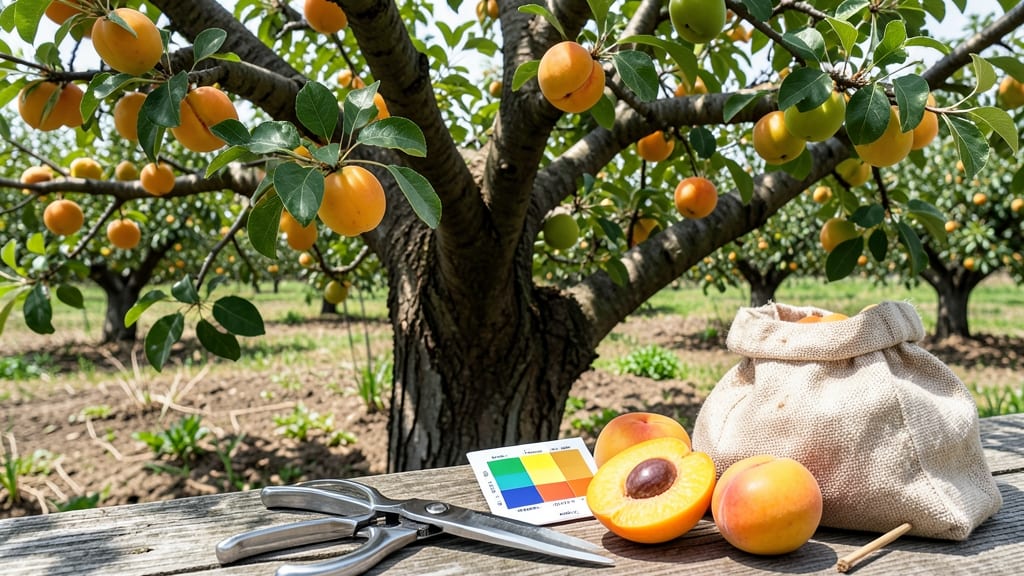
There’s nothing worse than biting into an apricot that’s either mealy and sour or so overripe it’s practically mush—yet how to know when apricots are ripe can be tricky. The difference between perfect fruit and a disappointing harvest often comes down to three simple sensory checks that most gardeners overlook.
If you’ve ever wondered why some apricots ripen faster than others or how to tell the difference between a perfectly ripe one and one that’s past its prime, you’re not alone.
I’ve spent years perfecting my own technique, and what I’m about to share will help you avoid those common mistakes—whether you’re harvesting from your backyard tree or selecting at the farmer’s market.
We’ll cover the visual cues (like color and texture) that signal peak ripeness, plus the often-ignored smell and touch tests that reveal hidden clues. By the end, you’ll know exactly when to pick your apricots for that ideal balance of sweetness and firmness—no guesswork required.
Ready to transform your harvest? Let’s dive into the three foolproof tricks that’ll ensure your apricots are always at their best when you pick them.
3 Visual cues to identify perfectly ripe apricots
Ripe apricots are nature’s sweetest rewards, but spotting them requires more than just a quick glance. Unlike peaches, apricots don’t ripen well off the tree, so timing your harvest is everything.
Start by examining the fruit’s color—ripe apricots transition from green to a deep golden-orange hue with subtle red blushes in some varieties. Avoid picking when the skin still has green patches or a dull yellow tint, as these indicate underripeness.
Next, check the fruit’s surface texture. A perfectly ripe apricot has a slightly rough, velvety skin with tiny wrinkles, especially near the stem. Overripe apricots, however, develop a leathery or overly soft texture, making them prone to bruising.
Run your fingers gently over the skin—if it feels firm yet yielding, like a ripe peach, you’re on the right track.
Don’t overlook the stem attachment, a telltale sign many gardeners miss. When apricots are ripe, they detach easily with a slight twist—no need for pruners. If the fruit resists or the stem snaps cleanly, it’s not ready.
This cue is especially useful when harvesting from heavy branches, where overripe fruit may drop prematurely.
⚠️ Common Mistake: Confusing sunburn (dry, brown patches) with ripeness. Sunburned apricots taste bitter and mealy, so always check the shaded side of the fruit for true color changes.
| Cue | Unripe Apricot | Perfectly Ripe Apricot | Overripe Apricot |
|---|---|---|---|
| Color | Green or pale yellow | Deep golden-orange | Dull orange with brown spots |
| Texture | Hard, smooth skin | Soft, velvety with slight wrinkles | Leathery or mushy |
| Stem Attachment | Firmly attached | Detaches with gentle twist | Drops easily or stem rots |
| Seed Development | Small, white seeds | Fully formed, brown seeds | Seeds darken further, flesh turns mushy |
Pro tip: Harvest in the morning when temperatures are cooler. Apricots picked in the heat of the day may overripen faster, losing their firm texture and vibrant flavor.
Store them in a paper bag in the fridge for up to 5 days to slow ripening, or enjoy them immediately for peak sweetness.
If you’re still unsure, slice one open—ripe apricots have juicy, vibrant flesh with minimal fiber, while unripe ones taste bland and grainy. This quick test is foolproof, but why risk it when visual cues alone can save you time and effort?
Remember, every apricot variety ripens slightly differently. For example, Blenheim apricots develop a red blush, while Royal apricots stay more golden. Pay attention to your tree’s specific traits to refine your harvesting skills over time.
Once you master these visual cues, you’ll never second-guess your apricot harvest again. The key is patience and observation—your apricot tree will thank you with a bounty of perfectly ripe fruit.
🍑
The smell and touch test: why your nose and fingers are better than a calendar
Apricots don’t ripen off the tree like peaches, so your nose and fingertips become the best ripeness detectors. A ripe apricot emits a sweet, honey-like fragrance—almost like a cross between nectarine and vanilla.
If you’re standing near the tree and don’t smell anything, the fruit likely needs more time on the branch.
For the touch test, gently press the apricot with your thumb. A perfectly ripe fruit will yield slightly under pressure, like a ripe avocado. If it feels rock-hard, it’s underripe; if it’s mushy or leaves an indent, it’s overripe.
This "give" test is foolproof for home gardeners who want to avoid mealy flesh.
🌱