
How To
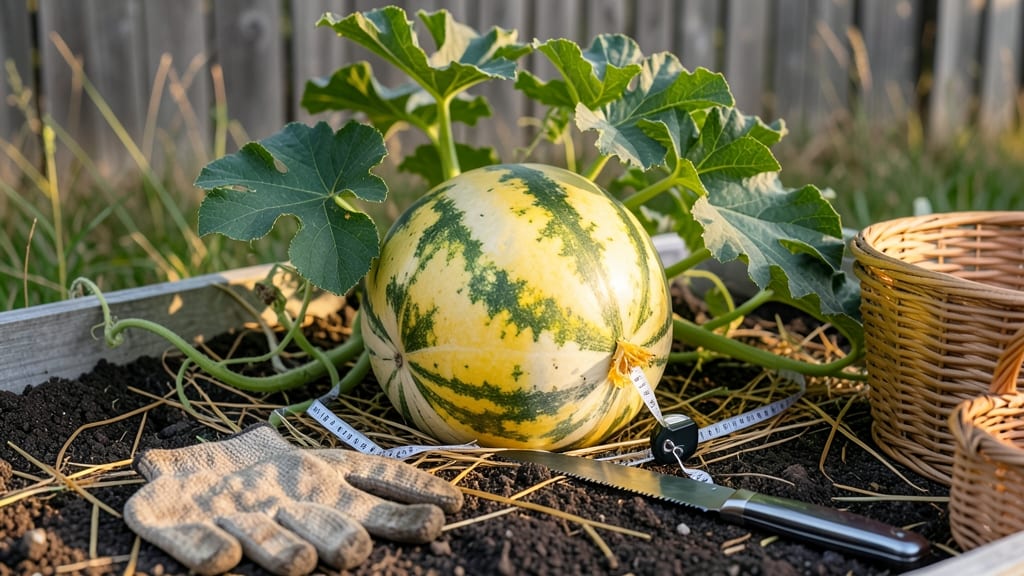
Picking a ripe yellow watermelon can feel like a guessing game—especially when the rules for green-fleshed varieties don’t apply. That golden hue doesn’t always mean sweetness, and skipping the right tricks often leads to disappointment.
I’ve tested field-proven methods to spot the juiciest yellow watermelons, whether you’re at the farmers' market or harvesting your own 🍉 in Zone 6a.
Most people assume yellow means ripe, but the truth is more nuanced. The key lies in three overlooked details: the tendril’s color, the field spot’s shade, and how the rind sounds when tapped.
These cues—backed by gardeners and grocery pros—cut through the confusion and ensure you bring home a melon bursting with flavor.
If you’ve ever bitten into a yellow watermelon only to find it bland, you’re not alone. The secret isn’t just waiting for the rind to turn yellow; it’s knowing when and how to check for ripeness without damaging the fruit.
I’ll walk you through the exact steps, so you can confidently pick the sweetest watermelon every time.
From spring planting to summer harvest, these tips work year-round. Whether you’re a home gardener or a grocery shopper, you’ll never overpay—or over-ripe for a yellow watermelon again. Let’s get started.
3 Visual and physical tricks to identify ripe yellow watermelon
Yellow-fleshed watermelons are sweeter and creamier than their red counterparts, but their external ripeness cues differ dramatically. Unlike traditional green-rinded watermelons, you can't rely on a dark field spot or deep stripes—yellow varieties have unique signals. Here’s how to spot a perfectly ripe one every time.
First, check the stem tendril near the watermelon’s attachment point. For yellow varieties, this tendril should be completely brown and crispy, not just slightly dried. A green or flexible tendril means the fruit needs more time on the vine. This trick works for both store-bought and homegrown yellow watermelons.
Next, examine the field spot—the area where the watermelon rested on the soil. In yellow varieties, this spot should turn from white to pale yellow or cream. Avoid melons with greenish or uneven field spots, as they’re underripe.
Pro tip: Press your thumbnail into the rind near the field spot—if it doesn’t dent easily, the watermelon is ripe.
Don’t overlook the weight-to-size ratio. A ripe yellow watermelon feels heavy for its size because it’s packed with juice. Lift two melons of similar size—pick the heavier one. This method works especially well for smaller yellow varieties, which can be trickier to judge by sight alone.
Here’s a critical distinction: yellow watermelons don’t darken like traditional green-rinded types. Their rind stays light green, yellow, or striped when ripe. If you see dull, matte stripes (not shiny), that’s a good sign. Avoid melons with waxy or overly glossy rinds, as they’re often underripe or overwatered.
Look for brown and crispy tendrils near the stem attachment point. Green tendrils = underripe.
Spot should be pale yellow or cream, not white or green. Press your thumbnail—no dent = ripe.
A ripe yellow watermelon feels heavy for its size. Compare two melons—pick the heavier one.
Yellow watermelons also emit a slightly sweet, musky aroma near the stem when ripe. Sniff the blossom end (the flat side where the stem was attached)—if it smells faintly sweet or floral, it’s ready.
A neutral or sour smell means it’s underripe. This scent test is especially useful for organic or heirloom varieties, which often have more pronounced aromas.
One common mistake is assuming darker yellow rinds mean riper fruit. Actually, yellow watermelons don’t darken like red varieties. Instead, focus on the matte texture of the rind. A ripe yellow watermelon’s skin should feel slightly rough or dull, not smooth or glossy.
Run your fingers over the surface—if it feels dry to the touch, it’s ready to eat.
For home gardeners, harvest your yellow watermelons when they’ve been on the vine for 75-90 days (check your variety’s specific days-to-maturity). If you’re unsure, use the tap test: Tap the watermelon with your knuckles—it should sound dull and hollow, like knocking on a wooden table.
A high-pitched or metallic sound means it’s not ready.
Remember, yellow watermelons are more sensitive to overripeness than red varieties. Once they’re picked, their sugar content peaks quickly, so act fast if you find a perfect one.
Store it in a cool, dry place (50-55°F) for up to 2 weeks, but enjoy it within a week for the best flavor.
Pro growers swear by one final trick: watch the vine. When the main vine nearest the watermelon starts to yellow and die back, that’s your cue to harvest.
This natural signal works for both yellow and red varieties but is especially reliable for yellow-fleshed types, which can be trickier to judge by appearance alone.
3 Visual and physical tricks to identify ripe yellow watermelon
Yellow-fleshed watermelons need different ripeness cues than their red-skinned cousins. Forget the "thump test"—yellow varieties often stay firm even when ripe. Instead, focus on these three field-tested tricks that reveal sweetness without cutting into the fruit.
First, inspect the field spot—the area where the watermelon rested on the ground. For yellow varieties, this spot should turn from white to creamy yellow.
A dull white spot means it’s underripe, while a yellowish tint signals peak ripeness. This cue works even better than color for yellow watermelons.
Next, examine the stem tendril. Unlike red watermelons, yellow varieties often keep their green rind longer, even when ripe. Instead, focus on the tendril: it should be dry, brown, and brittle. Gently tug it—if it snaps easily, the watermelon is ready to eat.
Don’t overlook the weight-to-size ratio. A ripe yellow watermelon should feel surprisingly heavy compared to its dimensions. Lift two similar-sized yellow watermelons: the heavier one is almost always sweeter. This trick works because ripe fruit has higher water content and sugar concentration.
Finally, tap the watermelon’s blossom end (the side opposite the stem) with your knuckles. A ripe yellow watermelon produces a deep, hollow sound. A dull thud suggests it’s still firm but may lack sweetness. Pro tip: Skip the thump test entirely—yellow varieties often stay firm even when overripe.
Yellow watermelons ripen slower than red varieties, so these tricks help you avoid underripe disappointment. Combine all three methods for the best results—especially when shopping at farmers' markets where freshness varies wildly. 🍉