
How To
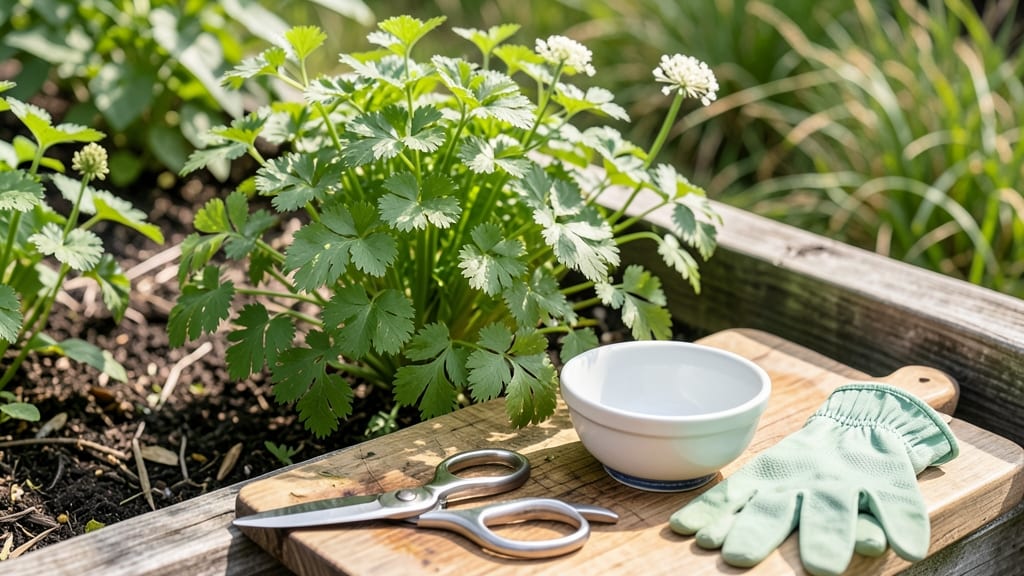
Picking fresh cilantro can make or break your dish—one wrong choice and you're left with bitter, wilted leaves that ruin your salsa or guacamole. The secret to peak flavor lies in knowing exactly what to look for, and it’s easier than you think.
I’ve tested hundreds of bunches of cilantro, from grocery store shelves to my own garden, and the best way to judge freshness isn’t just about color. It’s about combining three simple sensory checks that reveal whether your cilantro is ready to shine or destined for the compost.
Let me show you how to spot the difference in seconds.
First, there’s the visual test—bright, vibrant leaves are a good start, but that’s just the beginning. Then comes the stem snap test, which tells you if the plant is still crisp and full of life.
Finally, your nose knows best: a fresh bunch should burst with that bright, citrusy aroma that makes cilantro irresistible.
Whether you’re shopping at the market or harvesting from your own 🌿 cilantro plants, these tricks will help you avoid the common pitfalls that turn good cilantro bad. Ready to discover the exact steps that’ll keep your herbs tasting like they just came from the garden?
The 3 sensory tests to identify fresh cilantro instantly
Fresh cilantro isn’t just about avoiding wilting—it’s about capturing that bright citrusy aroma and crisp texture that makes all the difference. Whether you’re harvesting from your garden or picking up a bunch at the store, these three sensory tests will reveal whether your cilantro is truly at its peak.
I’ve used these tricks for years to ensure my homegrown cilantro stays vibrant and flavorful.
Start with the visual inspection, the quickest way to spot trouble. Look for leaves that are deep green and vibrant, not yellowing or brown at the edges. Avoid bunches with dry or crispy stems, as this signals dehydration.
Even a few wilted leaves can mean your cilantro is past its prime—so check the whole bunch before buying or harvesting.
Next, perform the stem snap test to gauge freshness. Hold a stem near the base and bend it gently. If it snaps cleanly with a slight crack, your cilantro is fresh and crisp.
But if it bends without snapping or feels mushy, it’s lost its structural integrity and flavor. This test works like a litmus paper for cilantro’s crispness—trust your fingers!
The final test is the aroma check, where cilantro reveals its true character. Crush a leaf between your fingers and take a deep sniff. Fresh cilantro should release a bright, citrusy, soapy aroma—that’s the signature scent you’re after.
If the smell is faint, musty, or downright unpleasant, it’s a clear sign your cilantro has gone bad. This test is especially useful when comparing bunches at the grocery store.
Don’t overlook the root check if you’re harvesting from your garden. Gently pull up a plant and inspect the roots. Fresh cilantro should have white, firm roots that cling to the soil.
Dark, slimy, or rotting roots mean the plant is diseased or overwatered. Always prioritize plants with healthy roots—they’re the foundation of a flavorful harvest.
Timing matters too. The best time to harvest cilantro is in the morning after dew has dried. This is when leaves are at their peak crispness and flavor. Avoid harvesting in the heat of the day, as leaves can wilt quickly and lose their vibrant green color.
If you’re buying from a store, opt for cilantro that’s been displayed in the cooler section—it’s more likely to stay fresh longer.
Even if your cilantro passes all three tests, avoid washing it until you’re ready to use it. Excess moisture speeds up spoilage, so store it dry and only rinse right before chopping.
For gardeners, this means harvesting dry and storing in a paper towel-lined container in the fridge. The less water exposure, the longer your cilantro will stay fresh and flavorful.
Pro tip: If your cilantro starts to wilt but still smells fresh, try reviving it by placing the stems in a glass of ice water for 30 minutes.
This can bring back some of its crispness—just like giving it a quick drink! But if the aroma is off, it’s better to compost it and start fresh.
Mastering these sensory tests will transform the way you select and enjoy cilantro. Whether you’re growing your own or picking up a bunch, these tricks ensure you’re always bringing home the freshest, most flavorful cilantro possible. Your taste buds will thank you! 🌱
The 3 sensory tests to identify fresh cilantro instantly
Fresh cilantro is a game-changer for your garden harvests or grocery store finds. But how do you know when it’s truly peak fresh? The secret lies in three simple sensory tests—visual, tactile, and olfactory—that reveal cilantro’s quality in seconds.
I’ve used these tricks for years to avoid limp, bitter, or wilted cilantro that ruins dishes.
First, let’s tackle the visual cues. Fresh cilantro leaves should be a vibrant deep green color, not yellowing or brown at the edges. The stems should feel crisp and firm, never mushy or slimy.
If you spot any dry or wilted leaves, it’s a red flag. These signs often mean the cilantro has been sitting too long or wasn’t stored properly.
🌿 Visual Test