
Shrubs
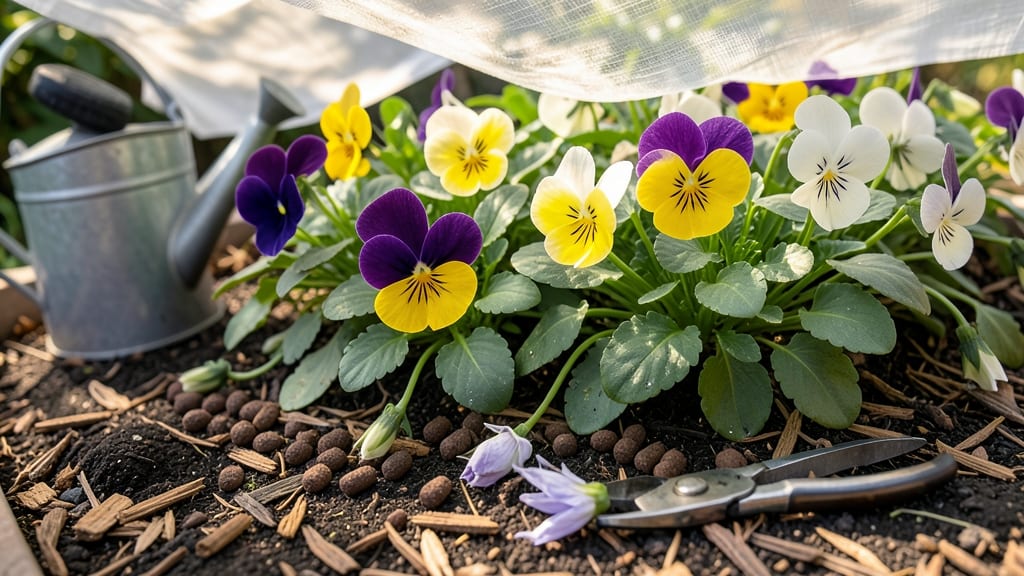
How to keep pansies flowering—your secret to nonstop color isn’t luck; it’s deadheading, feeding, and spacing them right. ✨ I’ve turned my springtime favorites into summer-long performers with just three simple adjustments.
Most gardeners miss the first rule: deadhead spent blooms immediately. That’s how you trick pansies into thinking they’re still in peak season. Add a balanced fertilizer every 4-6 weeks, and they’ll reward you with fresh flowers instead of leggy stems.
Overcrowding? Thin them out—6-8 inches apart gives roots room to breathe.
By mid-summer, they’ll start slowing down (it’s their natural rhythm). But with consistent care, you’ll still see bold blooms through fall. The key is staying ahead of the game—no waiting until flowers fade, no skipping feedings, and definitely no ignoring those crowded spots.
Even in heat waves, these tough little plants can keep going if you adjust watering (keep soil moist but not soggy) and protect them from afternoon sun. One hour of afternoon shade can make all the difference in hot climates. Now go give those pansies the care they deserve!
📚 In This Guide
- What you need
- Instructions
- Tips and common mistakes
- Wrapping up and next steps
What you need
- ● Pansy plants – Healthy, well-established plants (10+ per desired display area).
- ● Pruning shears or sharp scissors – Clean, sharp tools (sterilize with rubbing alcohol if reusing).
- ● Balanced, water-soluble fertilizer – 10-10-10 or 20-20-20 NPK ratio (1 tbsp per gallon of water).
- ● Slow-release granular fertilizer – 10-10-10 or 14-14-14 (sprinkle lightly around plants every 4-6 weeks).
- ● Watering can or hose with a gentle spray nozzle – For even moisture without disturbing roots.
- ○ Gloves (optional but recommended) – Protects hands from thorns or dirt.
- ● Compost or organic mulch – Retains moisture and adds nutrients (2-3 inches around plants).
- ● Epsom salt (magnesium sulfate) – Boosts blooms (1 tbsp per gallon of water, use every 4-6 weeks).
- ● Plant food with micronutrients – Supports vibrant color (e.g., fish emulsion or seaweed extract).
- ● Stake or support (for heavy blooms) – Prevents flopping in wind or rain.
Step-by-Step instructions for keeping pansies flowering
Here's the method I rely on to coax pansies into blooming nonstop—tested through spring rains and summer heat.
🌿 Step 1: Deadhead Regularly for Continuous Blooms
Pansies produce flowers on stems that won't rebloom if left unattended. I grab spent blooms between my thumb and forefinger, giving a gentle twist to detach the entire flower head cleanly. This prevents seed formation and redirects the plant's energy toward new buds. Aim to deadhead every 2-3 days during peak bloom—you'll notice fresh buds forming within 5-7 days.
Don't snip stems with scissors unless you're also pruning foliage. Cutting stems too short can expose the plant to rot. Instead, just pinch off the faded flower at its base. If you see buds forming but flowers never open, your plants might need more sunlight—pansies thrive in 4-6 hours of morning sun.
✂️ Step 2: Prune Leggy Stems to Encourage Bushier Growth
When stems stretch tall and thin, it's time for a light pruning. I use clean, sharp scissors to trim back the longest stems by about one-third of their length. This encourages branching and a fuller plant. Focus on stems that have already bloomed—they won't produce new flowers, but removing them stimulates side shoots.
Prune in the morning so wounds have time to dry before evening moisture sets in. After pruning, give your pansies a drink of water to help them recover. You'll see new growth emerging from leaf axils within 7-10 days. If your pansies develop powdery mildew after pruning, space them 8-12 inches apart for better airflow.
💧 Step 3: Water Deeply at the Base to Maintain Moisture
Pansies need consistent moisture but hate soggy roots. I water at the base early in the morning, aiming for 1 inch of water per week. Use a watering wand or soaker hose to deliver water directly to the soil without wetting the foliage. Wet leaves encourage fungal diseases, which can quickly defoliate your plants.
Check soil moisture by sticking your finger 1 inch deep—if it feels dry, it's time to water. Mulch around plants with 1-2 inches of organic mulch to retain moisture and suppress weeds. Avoid overhead watering, especially in the evening, as this promotes fungal growth. You'll know your watering is right when the soil stays evenly moist but not saturated.
🌱 Step 4: Fertilize Weekly with Balanced Blooming Formula
Pansies are heavy feeders and need regular nutrition to keep producing flowers. I use a 10-10-10 or 20-20-20 balanced fertilizer diluted to half strength. Apply every 7-10 days during the growing season. Always water the soil first to prevent root burn from concentrated fertilizer.
Look for signs of nutrient deficiency—yellowing leaves often indicate nitrogen deficiency, while weak stems or small flowers suggest phosphorus or potassium shortages. If you notice these issues, switch to a fertilizer with higher levels of the missing nutrient for 2-3 feedings, then return to a balanced formula. Over-fertilizing can lead to excessive foliage growth at the expense of flowers, so always follow package instructions.
☀️ Step 5: Provide Proper Light and Protect from Heat Stress
Pansies need 4-6 hours of morning sun followed by afternoon shade, especially in hot climates. If your pansies start to wilt or flowers fade quickly, they're getting too much afternoon sun. Move them to a spot with dappled shade or provide afternoon shade with a sheer curtain.
In extreme heat, pansies may go dormant. To revive them, move them to a cooler location and reduce watering slightly. Once temperatures drop below 85°F, resume normal care. You'll see new buds forming within 10-14 days as the plant recovers. If your pansies bolt (send up tall flower spikes), they've been stressed by heat or drought—trim the spikes to encourage bushier growth and more flowers.
Tips & tricks for perfect pansy care
These garden-tested strategies will help you extend your pansies' blooming season with minimal effort.
Timing Secret: The 2-3 day deadheading schedule in Step 1 works best when you do it in the morning after dew has dried. This prevents fungal spores from settling on fresh wounds and gives the plant's energy a full day to redirect toward new buds. I've found that deadheading right after watering helps too—wet stems are easier to pinch off cleanly.
Pruning Precision: When pruning leggy stems in Step 2, focus on cutting just above a leaf node where new shoots will emerge. Avoid cutting into the main stem unless absolutely necessary, as this can stress the plant. I like to use clean pruning shears and dip them in rubbing alcohol between cuts to prevent spreading disease. The goal is to encourage bushier growth, not to over-prune and create stress.
Watering Wisdom: For the 1 inch of water per week in Step 3, think of it as a slow drip rather than a heavy soak. A soaker hose or drip irrigation system works best to deliver water directly to the roots without wetting the foliage. I've seen pansies develop powdery mildew when overhead watering was used regularly, so this targeted approach makes all the difference. The soil should feel like a damp sponge—not soggy, not bone-dry.
Fertilizer Strategy: The 7-10 day feeding schedule in Step 4 can be adjusted based on your pansies' response. If you notice rapid leaf growth but few flowers, you're overdoing it on nitrogen. Switch to a bloom-boosting fertilizer with higher phosphorus content for 2-3 feedings, then return to the balanced formula. I've found that applying fertilizer in the morning gives the roots time to absorb nutrients before evening moisture sets in.
Pro Tips for Keep Pansies Flowering
- These garden-tested strategies will help you extend your pansies' blooming season with minimal effort.
- Timing Secret: The 2-3 day deadheading schedule in Step 1 works best when you do it in the morning after dew has drie...
- Pruning Precision: When pruning leggy stems in Step 2, focus on cutting just above a leaf node where new shoots will ...
Frequently asked questions
Got questions about keeping your pansies blooming all season? Here are some of the most common concerns—plus quick answers to help you troubleshoot and thrive!
Why do my pansies stop flowering even after deadheading?
Pansies may stop blooming due to heat stress (above 75°F), nutrient depletion, or overcrowding. Try moving them to partial shade, feeding with a balanced fertilizer (like 10-10-10), or thinning out plants to improve airflow. If they’re past their prime (early spring/fall), they’ll naturally slow down—replace them with violas for summer-long color!
How often should I deadhead pansies for continuous blooms?
Deadhead every 2–3 days during peak bloom (spring/fall) to encourage new flowers. If you’re busy, aim for at least 3–4 times per week. Use clean pruners or pinch flowers off by hand—just avoid removing more than 1/3 of the foliage at once to prevent stress. Pro tip: Morning deadheading gives flowers the full day to dry and prevents fungal issues!
Can I use regular garden soil for pansies, or do they need something special?
Pansies prefer well-draining, fertile soil with a pH of 5.5–6.5. While they’ll grow in regular garden soil, amending it with compost or peat moss improves drainage and nutrients. For containers, use a light potting mix with perlite. Avoid heavy clay soil, which can cause root rot and stunted growth.
What’s the best fertilizer for pansies to keep them flowering?
Use a balanced, water-soluble fertilizer (like 10-10-10 or 5-10-5) every 2–3 weeks during active growth. For extra blooms, opt for a high-phosphorus formula (e.g., 10-20-10). Organic options: Fish emulsion or compost tea work well. Stop fertilizing if pansies look stressed (yellow leaves, wilting) or in extreme heat.
My pansies have yellow leaves—what’s wrong?
Yellow leaves usually signal overwatering, nutrient deficiency, or disease. Check soil moisture—pansies like consistently moist (not soggy) soil. If leaves are soft and mushy, it’s likely root rot (reduce watering and improve drainage). For yellowing edges, add iron or magnesium (Epsom salt). Prevent future issues: Space plants 8–12 inches apart for airflow!
Wrapping up and next steps
Keeping pansies blooming beautifully is all about consistent care—deadheading spent flowers, feeding them regularly, and ensuring they get the right sunlight and water. With these simple steps, your garden will stay vibrant and full of life, turning every season into a colorful show! 🌸
Ready to take your pansy game to the next level? Try experimenting with companion plants or container arrangements to create stunning displays. Happy gardening! 🌱