
Pests
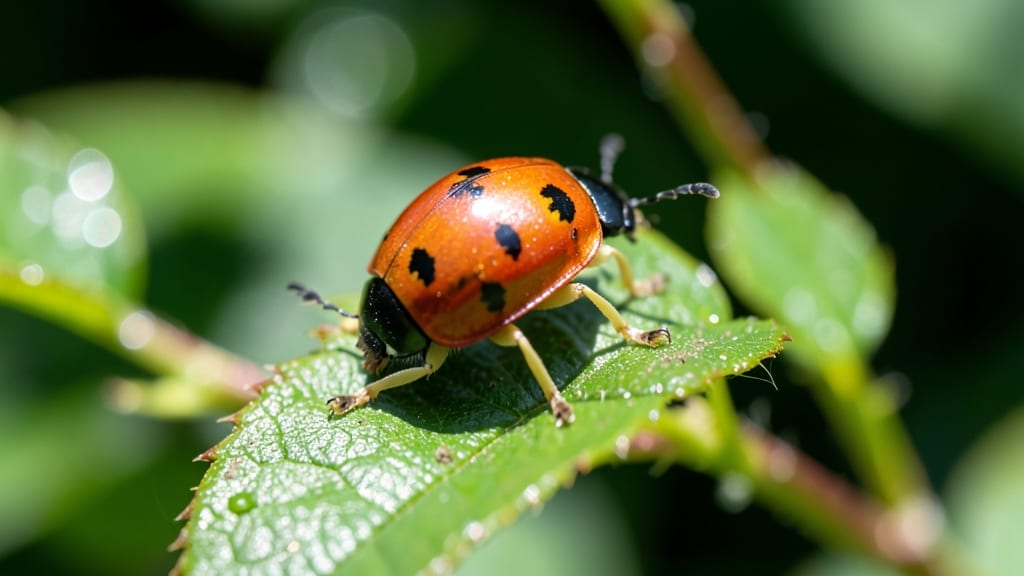
That first sticky cluster of aphids on your basil can turn into a full-blown crisis if you don’t act fast—but learning how to keep aphids off plants starts with this simple soapy water spray that clears them in hours without harsh chemicals. 🌱 I’ve seen gardens go from thriving to wilted in days when these sap-sucking pests take over—until I discovered this method that works because it disrupts their protective coating while being gentle enough for edible plants.
The key is timing, technique, and a few simple ingredients you already have in your kitchen.
Most people grab the wrong spray or wait too long, letting the infestation spread. But this approach works because it targets the aphids directly without harming your plants. You’ll need just three basic supplies: mild liquid soap, water, and a spray bottle.
The trick is mixing it right—too much soap burns leaves, too little won’t stop the aphids.
Within 24 hours, you’ll see clusters dropping off and new growth emerging. The plants stop looking sad and start thriving again. This isn’t just a quick fix—it’s the first step in a long-term pest prevention plan that keeps aphids away for good.
Works for vegetables, flowers, and houseplants alike. Here’s exactly how to mix, apply, and repeat it for maximum results—without turning your garden into a chemical battleground.
📚 In This Guide
- What you need
- Instructions
- Tips and common mistakes
- Wrapping up and next steps
What you need
- ● Dish soap (mild & biodegradable): 1–2 teaspoons (avoid harsh detergents—look for Castile soap or Dawn Free & Gentle)
- ● Water: 1 quart (32 oz) of lukewarm water (never hot!)
- ● Spray bottle: 16–32 oz with a fine-mist nozzle (or a garden sprayer for larger plants)
- ○ Gloves (optional but recommended): Heavy-duty gardening gloves to protect your hands from sticky residue
- ● Pruning shears: Small pair for trimming heavily infested leaves or stems
- ● Newspaper or drop cloth: To lay down and protect surfaces (aphids + soap = messy!)
- ● Neem oil (1 tsp): Mix with soapy water for extra pest-repelling power (great for stubborn infestations)
- ● Horticultural oil or insecticidal soap: Store-bought versions if you prefer pre-mixed solutions
- ● Ladybugs or lacewings: Natural predators to release after treatment (🐞💥 eco-friendly backup plan!)
- ● Magnifying glass: For inspecting hidden aphid clusters on undersides of leaves
Step-by-Step instructions for natural aphid control
Here's the foolproof method I use to clear aphids in hours—no harsh chemicals needed.
💧 Step 1: Mix the Soapy Water Solution
Fill a 1-gallon spray bottle with warm water—aphids hate the shock of temperature change. Add 1 tablespoon of mild liquid dish soap (like Dawn) and swirl gently until fully dissolved. The soap breaks down the aphids' protective waxy coating while suffocating them.
I always use warm water because it helps the solution cling better to leaves and speeds up the process. Avoid hot water—it can scorch tender foliage. Shake the bottle before each use to keep the soap evenly dispersed.
🌿 Step 2: Spray Infested Areas Thoroughly
Start by spraying the undersides of leaves—that's where aphids cluster to protect themselves. Hold the bottle 6-8 inches away and apply until both sides are glistening wet, not just damp. Aphids will drop off within 10-15 minutes of contact.
Focus on new growth and flower buds first—aphids love these tender areas. I like to work in the early morning when plants are dry, so the solution has time to work before the heat of the day. Avoid spraying in direct sunlight, or the soap can leave residue burns.
✂️ Step 3: Remove Dead Aphids and Prevent Reinfestation
After 30-60 minutes, use a soft brush or damp cloth to gently wipe away dead aphids and their sticky residue (honeydew). This prevents mold growth on your plants and keeps new aphids from being attracted to the leftover sugar trails.
For severe infestations, repeat the spray every 2-3 days for a week. I also recommend removing heavily infested leaves with clean scissors and disposing of them in sealed bags—never the compost bin. This breaks the aphid life cycle before it spreads.
☀️ Step 4: Boost Plant Resilience Long-Term
After clearing the infestation, water plants at the base instead of overhead to discourage aphids from returning. Healthy plants resist pests better, so I add 1 tablespoon of fish emulsion (optional) to the soil weekly to strengthen roots and foliage.
Introduce beneficial insects like ladybugs or lacewings—they eat aphids naturally. I place 2-3 ladybugs per plant in the evening when they're most active. Within a week, they'll establish a colony and keep aphids at bay without any extra effort from you.
🔄 Step 5: Monitor and Repeat as Needed
Check plants daily for 2 weeks after treatment. New aphids often appear as old ones are being eliminated. If you see even a few, spray again immediately—aphids multiply rapidly when conditions are right.
For stubborn cases, I mix in 1 teaspoon of neem oil to the soapy water. This disrupts aphid reproduction and deters them from returning. Just shake well before each use, as neem oil separates from water.
Tips & tricks for effective aphid control
Between us, these little tricks will turn your soapy water spray from good to absolutely foolproof.
Timing Secret: The 10-15 minute wait after spraying is crucial—aphids need that direct contact time to suffocate. I've seen them drop like flies when I stick to this window. If you're dealing with a heavy infestation, consider spraying again at the 15-minute mark to catch any stragglers that might have missed the first round.
Application Technique: In Step 2, when you're spraying those undersides, think "glistening wet" not "damp." I use my other hand to gently shake the plant stems while spraying to ensure the solution reaches all the hidden crevices where aphids hide. A fine mist nozzle works best for this—it penetrates better than a stream.
Soap Selection: Not all dish soaps work equally well. I always recommend Dawn or a similar mild, plant-safe soap. Harsh soaps can damage foliage and leave residue that attracts more pests. If you're unsure, test a small area first. The soap should break down the aphids' waxy coating without harming your plants.
Long-Term Strategy: The daily monitoring for 2 weeks in Step 5 is non-negotiable. Aphids reproduce at an alarming rate—what looks like a small problem today can become a full-blown infestation in days. I keep a small notepad by my garden to track which plants need treatment and when. This consistency is what keeps them from coming back.
Pro Tips for Keep Aphids Off Plants
- Between us, these little tricks will turn your soapy water spray from good to absolutely foolproof.
- Timing Secret: The 10-15 minute wait after spraying is crucial—aphids need that direct contact time to suffocate.
- Application Technique: In Step 2, when you're spraying those undersides, think "glistening wet" not "damp."
Frequently asked questions
What’s the best time of day to spray soapy water on aphids?
Spray aphids in the early morning or late afternoon when temperatures are cooler. This prevents the soap from burning plants in direct sunlight and gives aphids less time to recover before the solution dries. Avoid spraying on windy days—it can reduce effectiveness and harm beneficial insects.
How often do I need to reapply soapy water for aphids?
Reapply the solution every 3–5 days until the infestation is gone. Aphids reproduce quickly, so consistency is key! If rain washes off the spray, repeat the treatment. Once your plants are aphid-free, monitor them weekly to catch early signs of recurrence.
Will soapy water harm my plants or beneficial insects like ladybugs?
When used correctly, mild castile soap is plant-safe, but avoid over-spraying leaves or flowers. For beneficial insects, apply soap sprays only when aphids are active and avoid treating during their peak activity (e.g., ladybugs at night). Target aphids directly to minimize collateral damage.
What if soapy water doesn’t work? Are there other natural remedies?
If aphids persist, try these alternatives:
- Neem oil spray (disrupts aphid life cycles)
- Insecticidal soap with added horticultural oil (sticks better to plants)
- Introduce predator insects like ladybugs or lacewings
- Blast aphids off with water (use a strong stream from a hose)
Can I use dish soap instead of castile soap for aphids?
While dish soap works in a pinch, it’s harsher and can damage plants over time. Stick to mild, natural castile soap (like Dr. Bronner’s) diluted to 1–2 tablespoons per gallon of water. Dish soap may also harm beneficial insects more easily—opt for gentler alternatives when possible.
Wrapping up and next steps
Keeping aphids at bay doesn’t have to be a battle—with the right tools and techniques, like soapy water sprays or natural predators, you can protect your plants effortlessly! 🌱 The key is consistency: monitor your garden regularly, act fast at the first sign of trouble, and combine methods for the best defense.
You’ve got this! Start by treating your plants today, and soon you’ll be enjoying a thriving, pest-free garden. Ready to take the next step? Explore more organic pest control tips to keep your green space happy and healthy all season long!