
Aphids
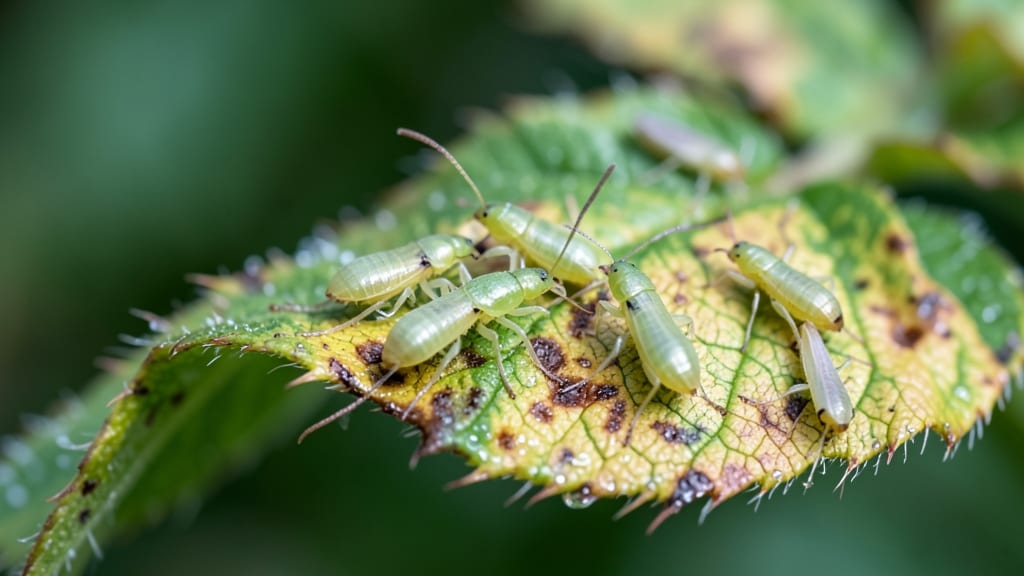
How to identify aphids on plants—your plants might be screaming for help, and you’re not hearing it. 🌱 Tiny aphids hide in plain sight, but these 3 clues reveal their presence before damage spreads. I’ve spotted them on everything from roses to basil, and the sooner you catch them, the easier they are to manage. Look for sticky residue on leaves (aphid honeydew), curled or distorted foliage, or clusters of small green/black bugs clustered on new growth. These pests thrive where others don’t, so don’t confuse them with mites (too small to see without magnification) or scale (brown, immobile bumps). A quick water spray test—if bugs scatter like tiny green marbles, you’ve found them. Early detection means saving your plants from stunted growth or disease. Aphids multiply fast, but a strong spray of water or insecticidal soap can stop them before they become a full-blown crisis. Grab a magnifying glass if you’re unsure—those clues are easier to spot up close. This works for backyard gardens, containers, or even houseplants. Once you know what to look for, you’ll catch them before they turn your thriving plants into a buffet. Let’s get those pests identified—and out of your garden!
Root Causes Of Aphid Infestations
Aphids don’t just appear out of nowhere—they’re drawn to plants by a mix of environmental factors, plant health, and even human habits. Understanding these triggers helps you prevent (or at least predict) outbreaks before they spiral. Here’s why these tiny pests show up uninvited:
Aphids target stressed or nutrient-deficient plants because they’re easier to exploit. When a plant is struggling, its natural defenses—like sticky honeydew resistance or tougher leaves—weaken, making it a prime buffet.
- Over- or under-watering: Too much moisture softens leaves, while drought stress releases sugars that aphids love. Think of it like a plant screaming, “Eat me!”
- Poor soil nutrition: Plants low in nitrogen or phosphorus produce weaker sap, which aphids find delicious. A quick soil test can reveal deficiencies.
- Recent damage: Pruning, pest bites (like spider mites), or even wind can create entry points. Aphids follow the scent trail of damaged cells.
Pro tip: 💡 Healthy plants = fewer aphids. Rotate crops, mulch properly, and avoid over-fertilizing with nitrogen-heavy mixes.
Aphids aren’t picky—they’ll feast on 150+ plant species, but some traits make plants extra appealing:
| Plant Feature | Why Aphids Love It |
|---|---|
| Soft, new growth | Tender leaves are easier to pierce, and young shoots have high sugar content. |
| Sticky or waxy leaves | Aphids use these surfaces to anchor their stylets (mouthparts) while feeding. |
| Fast-growing vines (e.g., cucumbers, roses) | Rapid growth = more sap production, which aphids exploit like an all-you-can-eat buffet. |
| Plants with clustered buds | Tight spaces protect aphids from predators (like ladybugs) and make them harder to spot. |
Actionable fix: 🎯 Prune regularly to remove soft growth, and avoid overcrowding plants—aphids thrive in traffic jams of foliage.
Aphids are opportunistic, and their life cycles sync with seasonal changes. Here’s how weather and ecosystems play a role:
- Warm, dry springs: Aphids reproduce exponentially in heat (some species complete 10+ generations per year). Drought-stressed plants release more sugars, too.
- Ant “farmer” alliances: Some ant species protect aphids in exchange for honeydew (their food). If you see ants tending to a plant, aphids are likely nearby.
- Wind and water spread: Aphids hitch rides on air currents or rainwater, landing on new hosts. Coastal gardens or open fields are higher-risk.
Pro tip: ✨ Monitor ant trails—they’re a dead giveaway for hidden aphid colonies. Disrupt their highways with diatomaceous earth or sticky barriers.
Even well-meaning gardening practices can accidentally attract aphids. Here’s how:
- Bringing in infested plants: New nursery purchases or cuttings often carry tiny aphid eggs or nymphs. Quarantine new plants for 2 weeks!
- Overusing broad-spectrum pesticides: Chemicals kill aphid predators (like lacewings or hoverflies) first, leaving aphids unchecked.
- Ignoring beneficial insects: Ladybugs, parasitic wasps, and aphid midge larvae eat aphids—but they need shelter (like dense foliage or water sources).
Fix it: 🌿 Encourage predators by planting companion flowers (e.g., marigolds, dill) and avoiding harsh sprays.
Quick Fixes for Aphid Infestations
Now that you’ve spotted the tiny troublemakers, it’s time to act! Aphids may be small, but their damage adds up fast. The good news? You don’t need harsh chemicals to kick them out of your garden.
Below, we’ve mapped common causes to practical fixes, plus prevention tips to keep your plants aphid-free long-term.
---
#### 1. 🌱 Light Infestations (Few Clusters) Cause: New colonies or early-stage outbreaks. Fix: Start with manual removal—the most eco-friendly first step! - 👨🍳 Step 1: Blast Them Off Fill a spray bottle with soapy water (1 tsp mild dish soap + 1 quart water).
Spray directly onto aphids until they drop. Repeat every 2–3 days for 1–2 weeks. Pro tip: Use a strong stream of water from a hose to dislodge them—aphids can’t swim!
- 🐞 Step 2: Introduce Beneficial Insects Ladybugs, lacewings, and parasitic wasps love aphids. Buy them online or attract them naturally with dill, fennel, or marigolds in your garden.
- 🌿 Step 3: Prune & Toss Snip heavily infested leaves or stems and dispose of them in sealed trash (not compost). This stops the cycle before it spreads.
---
#### 2. 🌀 Heavy Infestations (Entire Leaves Covered) Cause: Neglected outbreaks or aphid-resistant plants (like roses or basil) under stress. Fix: Combine mechanical + biological + organic sprays for a 1-2-3 punch.
- 💦 Step 1: Neem Oil Spray (Best for Large Areas) Mix 1 tsp neem oil + 1 tsp mild soap + 1 quart water. Spray evenly (including undersides of leaves) every 5–7 days until gone. ⚠️ Warning: Apply early morning or late evening to avoid harming bees.
- 🍄 Step 2: Horticultural Oil or Insecticidal Soap For stubborn cases, use horticultural oil (like Jardine or Safer Brand). Follow label rates—these smother aphids by coating their bodies. 💡 Pro Tip: Test sprays on 1–2 leaves first to check for plant sensitivity.
- 🔄 Step 3: Rotate Defense Strategies Alternate between soapy water, neem oil, and beneficial insects to prevent resistance.
Example schedule: | Day | Action | |---------|--------------------------| | 1 | Soapy water spray | | 3 | Release ladybugs | | 5 | Neem oil treatment | | 7 | Repeat cycle |
---
#### 3. 🌿 Aphids Returning Despite Treatments Cause: Hidden eggs, resistant plant varieties, or poor garden hygiene. Fix: Preventative overhaul—tackle the root of the problem.
- 🌱 Step 1: Strengthen Plant Health Aphids target weak plants. Boost defenses with: - Balanced fertilizer (high in phosphorus for roots). - Compost tea (spray foliarly for nutrients). - Prune for airflow (crowded plants = aphid paradise).
- 🕵️ Step 2: Hunt for Eggs & Nymphs Aphids lay tiny eggs on stems and buds. Inspect with a magnifying glass and scrub off clusters with a soft brush dipped in soapy water.
- 🚫 Step 3: Quarantine New Plants Before adding new plants, isolate them for 2 weeks and inspect for pests. Wash leaves with soapy water as a precaution.
---
Once you’ve won the battle, lock in the victory with these habits:
- 🌼 Plant Companion Flowers Aphids hate strong scents. Interplant with: - Garlic, chives, or onions (repel with smell). - Chrysanthemums or pyrethrum (natural insect deterrents).
- 🌡️ Monitor & Act Fast Check new growth and undersides of leaves weekly. Early action = no full-blown infestations.
- 🧼 Clean Up Debris Fallen leaves, old mulch, and plant waste hide aphid eggs. Clear garden beds seasonally to break their life cycle.
- 🌱 Choose Resistant Varieties Some plants naturally deter aphids: - Tomatoes: ‘Defiant PhR’ or ‘Mountain Merit’ (aphid-resistant). - Roses: ‘Knock Out’ series (thorny + tough).
--- Final Thought: Aphids are a nuisance, but with the right mix of manual removal, natural predators, and plant care, you’ll send them packing—without chemicals. Start small, stay consistent, and soon your garden will be aphid-free! 🌿✨
Frequently asked questions
What do aphids look like up close?
Aphids are tiny, usually 1/16 to 1/8 inch long, with soft bodies and long antennae. They come in colors like green, black, yellow, or gray. Look for their pear-shaped bodies and the way they cluster on stems or undersides of leaves. Under magnification, you’ll see their piercing mouthparts used to suck plant sap.
How can I tell if those tiny bugs are aphids and not mites?
Aphids are much larger than mites—you can usually see them with the naked eye, while mites require a magnifying glass. Aphids move slowly and cluster, while mites are tiny, fast-moving dots that leave webbing. Also, aphids produce sticky honeydew, while mites don’t.
Why do some plants get aphids while others don’t?
Aphids target stressed, nutrient-deficient, or fast-growing plants. Soft new growth, crowded foliage, and plants with high sugar content (like roses or basil) are prime targets. Healthy plants with good airflow and balanced nutrition naturally resist aphids better. Check for overwatering or poor soil health if your plants keep getting infested.
Can aphids harm my houseplants?
Aphids love houseplants like ferns, ivy, and citrus. They weaken plants by sucking sap, causing yellowing leaves and sticky honeydew that attracts mold. Check the undersides of leaves and growth tips—those are their favorite hiding spots. Isolate infested plants and treat with soapy water or neem oil.
What’s the fastest way to confirm an aphid infestation?
The water spray test is foolproof! Give the plant a firm spray with water—if tiny green/black bugs scatter like marbles, you’ve got aphids. For hidden clusters, gently shake stems over a white surface (like paper). If you see tiny moving dots, that’s your confirmation.