
How To
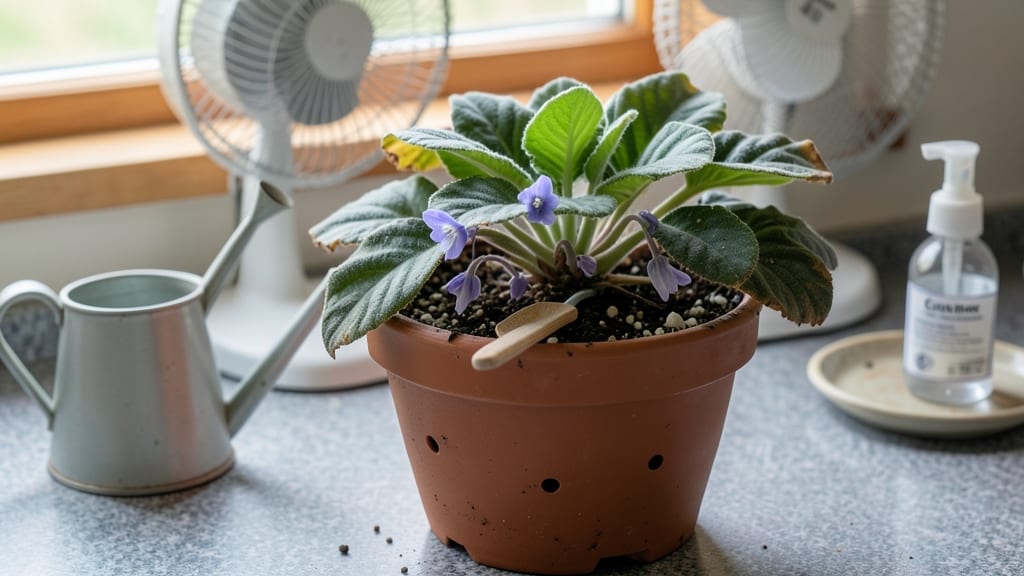
Your African violet’s sad, mushy stems and yellow leaves aren’t a death sentence—here’s how to fix an overwatered African violet and bring it back to life, starting today. 🌱 I’ve nursed back dozens of these plants from the brink—here’s exactly how to diagnose the damage and revive it, step by step.
The problem usually boils down to two things: soggy soil from overwatering (or poor drainage) and root rot setting in. You’ll know it’s overwatered when the leaves turn yellow, the stems feel soft, and the soil smells funky—like a swamp instead of fresh earth. The good news?
With the right steps, you can often save 80% of the plant’s roots and revive it within 2-3 weeks. First, stop watering immediately and remove the plant from its pot.
Gently rinse the roots under lukewarm water to wash away excess soil and inspect for black, mushy areas—those need trimming. Repot in fresh, well-draining soil (African violets hate sitting in water) and place it in bright, indirect light. No saucers—just let excess water drain completely.
Once the new growth appears (usually within 10-14 days), adjust your watering routine: only water when the top inch of soil feels dry, and always use a pot with drainage holes. I’ve seen plants bounce back from this exact situation—your violet’s comeback starts with these three simple steps.
Root Causes Of Overwatering
African violets (Saintpaulia) are delicate beauties that thrive on consistency—but when their care routine goes awry, overwatering becomes a silent killer. Understanding the why behind soggy soil and wilting leaves helps you prevent future mishaps.
Here’s a breakdown of the most common triggers, backed by science and plant physiology.
African violets are epiphytes by nature, meaning they evolved to absorb moisture from humid air and soil—but they hate sitting in wet conditions. When you water on a rigid schedule (like every 2–3 days) without checking soil moisture, roots suffocate due to lack of oxygen in saturated soil.
- Why it’s deadly: Roots need aeration to respire (breathe). When submerged in water, they switch from aerobic to anaerobic respiration, producing ethanol (alcohol) as a byproduct.
At high concentrations, this toxin burns root cells, leading to rot. - Science alert: Studies show African violets prefer soil moisture at 40–60% capacity—any higher for more than 24 hours triggers stress.
Not all pots or soil mixes are created equal. If your African violet’s container lacks drainage holes or the potting mix retains too much water (like heavy garden soil), excess moisture pools at the roots.
- The physics problem: Water follows gravity.
Without escape routes, it lingers in the bottom, creating a hydrostatic pressure that crushes delicate root hairs—critical for nutrient uptake. - Red flags: - Clay or plastic pots without holes trap moisture longer than terracotta or fabric pots. - Peat-heavy mixes (common in budget soils) hold water like a sponge, while perlite/chunk mixes allow airflow.
Bottom-watering (placing the pot in a tray of water) is a favorite trick for African violet lovers—but if done incorrectly, it turns into a drowning hazard.
Here’s how: - The hidden risk: If the tray holds water for hours (or overnight), the plant drinks more than it needs, and excess water evaporates slowly, leaving roots waterlogged. - Science-backed fix: The USDA recommends bottom-watering for no more than 10–15 minutes.
Afterward, empty the tray completely to prevent capillary action from pulling moisture back up.
African violets are tropical natives, but sudden shifts in temperature or humidity can disrupt their water balance.
For example: - Cold drafts (from AC vents or open windows) slow evaporation, making soil stay damp longer. - High humidity (above 50%) reduces transpiration (water loss through leaves), so the plant retains moisture—leading to overhydration if you water on schedule.
- The math: In dry air (30% humidity), an African violet may lose 0.5 oz of water/day. In humid air (70%), that drops to 0.2 oz/day. If you water the same amount both times, the roots drown in the second scenario.
African violets are not one-size-fits-all plants. Their water needs fluctuate with seasons:
- Spring/Fall: Moderate watering (every 5–7 days).
- Summer: More frequent but shallow watering (topsoil only) to prevent deep evaporation.
- Winter: Cut watering by 50%—growth slows, and roots need less hydration.
- Pro tip: 🌡️ Finger-test the soil 1 inch below the surface. If it’s damp, wait. If dry, water lightly until it drains from the bottom.
Tap water, while safe for humans, can stress African violets due to:
- High mineral content (chlorine, fluoride, calcium): Builds up in soil over time, disrupting osmosis (how roots absorb water).
- Hard water (high pH): Locks out essential nutrients like iron and magnesium, weakening the plant’s ability to regulate moisture.
- Solution: Use filtered, distilled, or rainwater to avoid chemical buildup. If using tap water, let it sit out for 24 hours to off-gas chlorine.
Reviving Your Drops Step by Step
Now that you know the signs and causes of overwatered African violets, let’s roll up our sleeves and get your plant back to its happy, blooming self! The key is acting fast—these plants are tough but need the right care to bounce back.
Below, we’ve mapped out practical fixes for each common cause of overwatering, plus prevention tips to keep your violets thriving long-term.
Cause: Root rot from prolonged soggy soil or poor drainage. Solution:
- 🔥 Remove the Plant Gently Carefully lift the African violet from its pot, shaking off excess soil to inspect the roots. Healthy roots are firm and white; rotten roots are brown, mushy, or smell foul. Use clean, sharp scissors to trim away any blackened or squishy roots.
- 🍳 Repot in Fresh Soil Choose a pot with drainage holes (terracotta or ceramic work best) and fill it with a well-draining African violet mix (or a blend of peat moss, perlite, and vermiculite). Avoid garden soil—it compacts and holds too much moisture.
- 👨🍳 Let It Dry Out Water lightly only after the top inch of soil feels dry to the touch. Place the plant in a spot with bright, indirect light (no harsh sun) and keep humidity moderate.
- ⏰ Wait and Watch In 1–2 weeks, new growth should emerge. If yellowing persists, your plant may need a foliar spray with diluted hydrogen peroxide (1 part peroxide to 4 parts water) to fight fungal spores.
💡 Pro Tip: Add a thin layer of perlite or orchid bark on top of the soil to improve aeration and reduce future waterlogging.
Cause: Overwatering + compacted soil or lack of airflow. Solution:
- 🌡️ Check Soil Moisture Stick your finger 1 inch into the soil. If it’s damp, wait 3–5 days before watering again. African violets prefer soil that’s slightly dry between waterings.
- 🎯 Improve Drainage If your pot lacks holes, drill a few or repot immediately. For extra insurance, place the pot on a saucer filled with pebbles (not water) to elevate it slightly.
- ✨ Boost Air Circulation Gently fluff the soil with a chopstick or fork to break up compaction. Place a small fan on low nearby (but not blowing directly on the plant) to encourage evaporation.
- 🍎 Adjust Watering Habits Switch to the "soak-and-dry" method: Water thoroughly until it drains from the bottom, then empty the saucer. Wait until the topsoil is dry before watering again.
💡 Pro Tip: Use room-temperature water (never cold) and water in the morning so excess moisture evaporates during the day.
Cause: Excess moisture + poor airflow = fungal infections. Solution:
- 🔪 Trim Infected Leaves Snip off any leaves with black spots or mold using sterilized scissors. Dispose of them in the trash (not compost).
- 🌿 Treat with Fungicide Mix 1 tsp baking soda + 1 quart water + a drop of dish soap (optional) and spray lightly on leaves. For severe cases, use a store-bought fungicide (like Neem oil or copper-based spray).
- 🌡️ Adjust Humidity & Light African violets thrive in 40–50% humidity. Use a humidifier or place the pot on a tray of pebbles with water (ensuring the pot isn’t sitting in water). Move to bright, indirect light (east or north-facing windows are ideal).
- 🚫 Prevent Future Outbreaks
- Water at the base (avoid wetting leaves).
- Space plants apart for airflow.
- Avoid crowded pots—overcrowding traps moisture.
💡 Pro Tip: Wipe leaves monthly with a damp cloth to remove dust, which can block light and encourage fungal growth.
To keep your African violets lush and rot-free: ✅ Pot with drainage holes (non-negotiable!). ✅ Well-draining soil mix (never garden soil). ✅ Water only when topsoil is dry (stick your finger in!). ✅ Use a moisture meter for peace of mind. ✅ Rotate the pot weekly for even light exposure. ✅ Fertilize lightly (balanced 10-10-10) every 4–6 weeks in spring/summer.
Remember: African violets are forgiving if you catch overwatering early. With these fixes, your plant should perk up in 2–4 weeks—just give it time and consistent care! 🌸
Frequently asked questions
How do I know if my African violet is overwatered?
Check for these key signs: yellowing leaves (especially lower ones), mushy or black stems, and soil that smells sour or rotten. If the leaves feel soft when pressed or fall off easily, that’s another red flag. The roots may also appear brown and slimy instead of firm and white.
Can I save an African violet with completely black stems?
It depends on how much healthy tissue remains. If only the tips are black, trim those off with clean scissors. If the entire stem is black and mushy, you may need to propagate from healthy leaves or cuttings. For partial damage, repot in fresh soil and reduce watering immediately.
What's the best soil mix to prevent overwatering?
Use a blend of 50% peat moss or coconut coir, 30% perlite, and 20% vermiculite. This creates air pockets that prevent waterlogging. Avoid garden soil—it compacts and holds too much moisture. For extra drainage, add a handful of orchid bark to the mix.
How often should I water after fixing overwatering?
Wait until the top inch of soil feels completely dry—this could take 5-7 days initially. After recovery, water every 7-10 days in spring/fall, and every 10-14 days in winter. Always use the soak-and-dry method: water until it drains, then empty the saucer.
Can I use hydrogen peroxide to treat overwatered violets?
Yes! Mix 1 part 3% hydrogen peroxide with 4 parts water and spray lightly on leaves to kill fungal spores. For root treatment, soak the roots in this solution for 5 minutes before repotting. Never use full-strength peroxide—it can burn the plant. Repeat every 3-4 days until new growth appears.