
How To
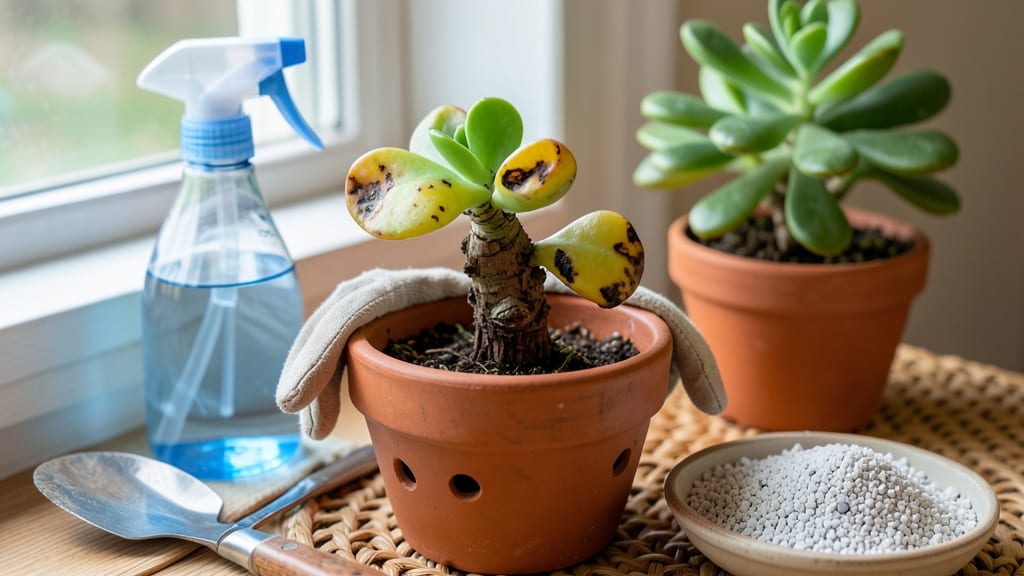
How to fix an overwatered jade plant isn’t as hard as it seems—your droopy friend just needs a little TLC to bounce back. 🌱 Overwatering turns those plump stems to mush and leaves yellowing faster than spring snowmelt, but with the right moves, you’ll see new growth in just 3 days. The key? Stopping the water torture and giving roots room to breathe again.
First, pull it out and inspect the roots—healthy ones are firm and white, while rotten ones smell funky and turn black. Snip those bad sections with clean scissors, then let the plant air-dry for 24 hours before repotting in fresh, gritty soil.
Think cactus mix, not regular potting soil—jade plants hate soggy feet.
By day three, you’ll notice the leaves perking up and new buds forming at the base. That’s your plant’s way of saying “thank you” for the dry spell.
Water only when the top 2 inches of soil feel bone-dry, and keep it in bright, indirect light—no more saucer-filled trays drowning its roots.
Once it’s back on track, keep watering light and let the soil dry completely between drinks. Jade plants are desert survivors, not tropical show-offs. With this routine, your plant will bounce back stronger than ever—and you’ll spot the difference in just a few weeks.
📚 In This Guide
- What you need
- Instructions
- Tips and common mistakes
- Wrapping up and next steps
What you need
Before you roll up your sleeves and get your jade plant back to its happy, plump self, let’s gather the right tools and materials. You don’t need a fancy greenhouse—just a few simple items to help your plant bounce back from soggy roots! Here’s your supply
Step-by-Step instructions for reviving an overwatered jade plant
Here's how I rescue jade plants from soggy soil—no stress, just action.
💧 Step 1: Drain Excess Water Immediately
First, move your jade plant to a dry, well-ventilated spot away from direct sunlight. The goal now is to let the roots breathe, so avoid placing it back under bright light until it stabilizes. Gently lift the pot and check the soil—if it feels cold, heavy, or smells musty, it’s still too wet.
Place the pot in a shallow tray or saucer and let it drain for 30-60 minutes. If water pools at the bottom, tip the pot to pour it out. I’ve seen people skip this step and end up with root rot spreading faster than they can fix it. Don’t rush—let gravity do the work.
✂️ Step 2: Trim Damaged Roots and Repot
Remove the plant from its pot and gently loosen the soil around the roots with your fingers. Look for roots that are mushy, black, or smell foul—these are dead and need to go. Use clean, sterilized scissors to snip them off at the base. Healthy roots are firm, white, or light tan.
Repot the jade into a clean container with fresh, well-draining cactus/succulent mix. I like to add a handful of perlite or coarse sand to improve aeration. Choose a pot with drainage holes—if yours doesn’t have them, drill a few. Place the plant in the new soil, firming it gently but not packing it down.
☀️ Step 3: Adjust Watering and Light Gradually
Wait 3-5 days before watering again. This gives the roots time to recover and prevents further stress. When you do water, soak the soil until water runs out the drainage holes, then empty the saucer. Jade plants hate sitting in water—this is their biggest enemy after overwatering.
Place your plant in bright, indirect light for the first week. Avoid direct sun until new growth appears—this helps prevent leaf scorch while the roots heal. You’ll know it’s recovering when the leaves perk up and the soil stays dry between waterings. Patience here is key.
🌱 Step 4: Monitor and Encourage New Growth
After 7-10 days, check the soil with your finger. If the top 1-2 inches feel dry, it’s time to water again. Overwatering often leads to yellowing leaves—don’t panic if you see this, but trim any soft or mushy leaves with clean scissors to redirect the plant’s energy.
Once new growth appears (usually 2-4 weeks after repotting), you can slowly reintroduce it to its normal light conditions. I like to rotate the pot a quarter turn weekly to ensure even growth. Keep an eye out for pests like mealybugs—they love stressed plants, so treat them immediately if they appear.
Tips & tricks for perfectly reviving an overwatered jade plant
Took me a while to figure these out, so here goes—your jade plant’s second chance starts with these simple but critical moves.
Drainage is Everything: In Step 1, when you let the pot drain for 30-60 minutes, don’t just rely on the saucer—check the soil again after 30 minutes. If it’s still damp, tip the pot further to remove excess moisture. I’ve seen people leave waterlogged soil for too long, thinking it’s drying, only to accelerate root rot. The goal is bone-dry soil before repotting.
Root Inspection Secrets: When examining roots in Step 2, look beyond just color—healthy roots should snap when bent, not squish like overcooked noodles. If you’re unsure, cut a small section of questionable root and check the center: white means healthy, brown means rot. This step is where most people hesitate, but being decisive saves your plant.
Light Adjustment Hacks: In Step 3, "bright indirect light" can be tricky. Think of it like a sunbathing rule: if you can see your shadow clearly but not sharply defined, that’s perfect. East-facing windows work great, or use sheer curtains on south-facing windows. I’ve had jades recover faster in this light than in harsh fluorescent lighting.
Patience Pays Off: The 3-5 day waiting period in Step 3 might feel agonizing, but it’s non-negotiable. I’ve seen people water too soon and undo all progress. Use this time to check for pests—especially mealybugs hiding in leaf crevices—and treat them immediately. A damp cotton swab with rubbing alcohol works wonders for small infestations.
Pro Tips for Fix Overwatered Jade Plant
- Took me a while to figure these out, so here goes—your jade plant’s second chance starts with these simple but critical moves.
- Drainage is Everything: In Step 1, when you let the pot drain for 30-60 minutes, don’t just rely on the saucer—check the soil again after 30 minutes.
- Root Inspection Secrets: When examining roots in Step 2, look beyond just color—healthy roots should snap when bent, not squish like overcooked noodles.
Frequently asked questions
Got questions about reviving your soggy jade plant? You’re not alone! Here are some of the most common concerns—and quick fixes—to get your Crassula ovata back to its happy, plump self.
How often should I water my jade plant after fixing overwatering?
Let the soil dry out completely before watering again—usually every 2–4 weeks, depending on humidity and light. Stick your finger 1–2 inches deep; if it’s dry, it’s time. Overwatering is the #1 killer, so when in doubt, wait!
Will my jade plant recover if the leaves are mushy and falling off?
Yes, but act fast! Trim the mushy leaves (use clean scissors) and focus on draining excess water and improving airflow. Healthy stems and new growth will sprout from the base—just be patient. Pro tip: Repot in fresh, well-draining soil to speed up recovery.
What if my jade plant has black spots or smells bad?
Black spots or a foul odor mean root rot has set in. Remove the plant from its pot, trim any black/mushy roots with sterilized scissors, and repot in cactus mix. Let it dry out for 3–5 days before watering lightly. If roots are 90%+ rotten, propagation from healthy stems may be your best bet.
Can I use hydrogen peroxide to fix overwatered jade plants?
Mix 1 part 3% hydrogen peroxide to 4 parts water and water your plant sparingly (just enough to moisten the soil). This oxygenates roots and fights bacteria. Use it once every 2 weeks max—don’t overdo it, or you’ll stress the plant.
Should I move my jade plant to a different spot after overwatering?
Yes! Place it in bright, indirect light (like an east or south-facing window) and avoid cold drafts. Jade plants thrive in 60–75°F temps. If your home is humid, consider a dehumidifier or a fan nearby to improve airflow and prevent future issues.
Wrapping up and next steps
Don’t let a soggy jade plant stress you out—your green friend can bounce back with the right care! 🌱 By draining excess water, improving soil aeration, and adjusting your watering routine, you’ve already taken the first steps toward revival.
Stay patient and consistent, and soon your jade will thrive again.
Now that you’re equipped with the know-how, take action today! Check your plant’s progress in a few days, and soon you’ll be back to enjoying its lush, happy leaves. Happy growing! 🌟