
Pruning
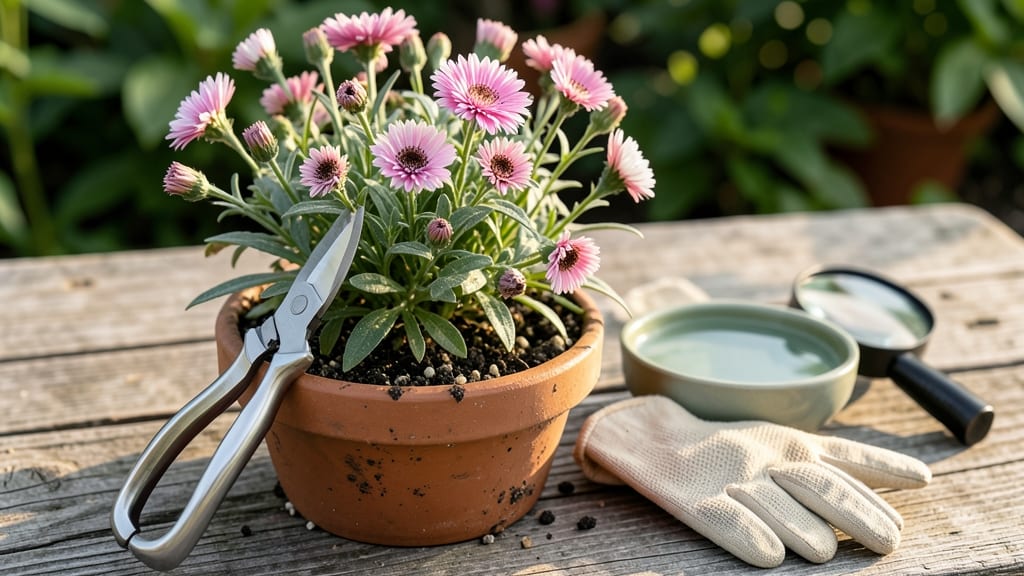
Deadheading dianthus in pots transforms your container garden from a single burst of color to a nonstop floral show. 🌸 I learned the hard way—skipping this step means fewer blooms and leggy plants by summer's end.
The secret? Pinching spent flowers just right to trigger new growth while keeping your pots looking tidy.
You only need clean pruners or sharp scissors and a sunny spot. After each flush of blooms—typically every 4-6 weeks—snip stems back to the nearest leaf or bud. This prevents seed formation and redirects energy into fresh flowers. For potted dianthus, avoid over-trimming roots; their containers already limit space.
By midseason, you'll see thicker foliage and double the blooms compared to neglected plants. The flowers stay vibrant longer, and you avoid that sad, overgrown look. Just don’t cut into woody stems—keep it above the green growth for best results.
Pro tip: Water pots thoroughly after pruning to help roots recover. If your dianthus starts looking crowded, it’s time to divide—just repot half now and save the other half for next spring. Your containers will stay lush and colorful all season long.
📚 In This Guide
- What you need
- Instructions
- Tips and common mistakes
- Wrapping up and next steps
What you need
- ● Clean, sharp pruning shears or scissors – Choose bypass pruners (for delicate stems) or small handheld shears (for bulk work). Must be sanitized with rubbing alcohol or a 10% bleach solution to prevent disease.
- ○ Gloves (optional but recommended) – Wear gardening gloves (nitrile or leather) to protect hands from thorns or sap.
- ○ Trimming tray or bucket – A shallow container (5+ gallons) to collect spent blooms and debris. Optional: Line with a plastic bag for easy disposal.
- ● Compost bin or bag – For repurposing trimmed flowers (avoid composting if pests/diseases are suspected).
- ● Water spray bottle (4–8 oz) – To mist stems before cutting (reduces stress on the plant).
- ● Hand lens or magnifying glass – For spotting hidden pests or diseased stems.
- ● Plant food or fertilizer (balanced 10-10-10 or bloom booster) – Apply post-deadheading to encourage new growth. Dilute to half-strength for potted plants.
- ● Mulch (orchid bark or coconut coir) – Lightly top-dress pots after pruning to retain moisture.
- ● Disinfectant wipes – For quick tool sanitization between cuts.
Tips & tricks for perfectly pruned dianthus
These simple yet powerful techniques will help you transform your potted dianthus into a thriving, continuous bloomer.
Timing is Everything: The best time to deadhead is right after the first morning watering when the plant is fully hydrated. This reduces stress on the plant and gives you the clearest view of which blooms are ready to be removed. I always schedule my pruning sessions for early morning—it’s when the flowers are at their freshest and the air is coolest, both of which help the plant recover faster. The key is to work before the heat of the day sets in, which can stress the plant and slow down its recovery process.
Tool Precision Pays Off: Using clean, sharp pruners is non-negotiable—dull tools crush stems and create larger wounds that invite disease. I keep a small pair of pruning shears dedicated solely to my dianthus plants, and I sanitize them with rubbing alcohol between uses. For smaller blooms, your fingers work perfectly, but always pinch just above a leaf node or set of leaves. This tiny detail makes all the difference in encouraging new growth from exactly the right spot on the stem.
Light Trimming Secrets: When you're doing your light overall trim in Step 3, focus on creating an open center rather than just cutting back random stems. This improves airflow and prevents fungal issues that can plague crowded plants. I like to visualize the plant's natural shape—think of it like sculpting a topiary. Cutting back stems that are growing inward or crossing over others creates that perfect balanced look while encouraging the plant to fill out more evenly. This approach also makes future deadheading easier since you'll have better access to all the blooms.
Fertilizer Timing Matters: That light feeding after pruning should happen within 24 hours of trimming, but timing it right after your morning watering is ideal. This gives the plant immediate access to nutrients when it needs them most. I've found that applying fertilizer in the evening works almost as well—just make sure to water it in thoroughly. The key is to avoid fertilizing during the hottest part of the day, as this can burn the roots and stress the plant when it's already recovering from pruning. Think of it as giving your dianthus a post-surgical smoothie—timing and nutrition are everything.
Pro Tips for Deadhead Dianthus In Pots
- These simple yet powerful techniques will help you transform your potted dianthus into a thriving, continuous bloomer.
- Timing is Everything: The best time to deadhead is right after the first morning watering when the plant is fully hydrated.
- Tool Precision Pays Off: Using clean, sharp pruners is non-negotiable—dull tools crush stems and create larger wounds that invite disease.
Frequently asked questions
Got questions about deadheading dianthus in pots? You’re not alone! Here are some common concerns—and straightforward answers—to keep your plants thriving.
When is the best time of day to deadhead dianthus?
Deadhead dianthus in the morning when blooms are dry. This prevents fungal issues from trapped moisture and gives you the clearest view of spent flowers. Avoid evening sessions, as damp petals can encourage mold.
How often should I deadhead dianthus in pots?
Check your pots weekly during peak bloom (spring to fall). Remove faded flowers immediately—the sooner, the better! Over time, this encourages nonstop blooms. If you miss a few, don’t stress; just catch up as soon as you notice wilting.
What if I don’t deadhead—will my dianthus still bloom?
Yes, but expect fewer, shorter-lived blooms. Deadheading redirects energy to new flowers, extending your plant’s seasonal show. Without it, dianthus may focus on seed production instead, leaving you with sparse, straggly growth.
Can I use scissors or should I pinch flowers by hand?
Both work! Use clean, sharp scissors for thick stems or large clusters to avoid crushing. For delicate blooms, pinch by hand—just grip the stem just above a leaf node. Avoid tearing leaves, which can stress the plant.
My dianthus leaves are yellowing after deadheading. What’s wrong?
Yellowing can signal over-pruning or poor drainage. Check your pot’s drainage holes and avoid cutting into old wood (brown, brittle stems). If the issue persists, reduce deadheading frequency or fertilize lightly with a balanced mix to boost recovery.
Can I deadhead dianthus after rain?
Wait until the soil is dry to the touch (usually 1–2 hours post-rain). Wet petals and stems are prone to rot or fungal infections. If rain is forecast, deadhead in the morning to let blooms dry naturally before evening moisture sets in.
Wrapping up and next steps
Deadheading your potted dianthus is a simple yet powerful way to keep your plants thriving and bursting with color all season long! 🌸 By removing spent blooms regularly, you encourage bushier growth and extend the flowering period—making your garden pots a showstopper.
With just a few minutes of care, you’ll enjoy vibrant blooms for weeks to come.
Ready to take your dianthus to the next level? Grab your pruners and start deadheading today! If you’re feeling inspired, why not experiment with different varieties or try propagating cuttings for even more plants? Happy gardening! 🌿