
Shrubs
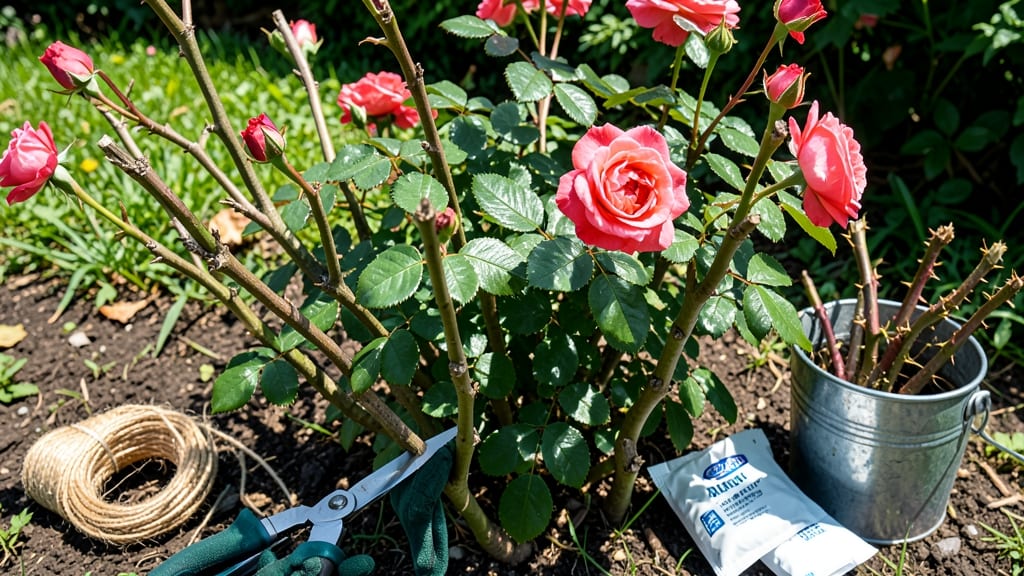
How to cut a rose off a rose bush the right way determines next year’s blooms. ✂️ I’ve pruned roses for over a decade, and I’ve learned the hard way that cutting at the wrong angle or time can turn your bush into a leggy mess—no matter how healthy it looked before. The secret lies in where you make the cut, when you make it, and how you prep your tools to avoid spreading disease.
You’ll need sharp bypass pruners (dull blades crush stems), rubbing alcohol to sterilize them between cuts, and a clear day when the bush isn’t actively flowering. Timing matters most: prune in late winter or early spring for hybrid teas, or right after blooming for floribundas.
The goal? Encourage strong new growth from the base by removing dead wood and crowded stems.
When you cut, aim for an outward-facing bud just above a five-leaflet leaf. Make the slice at a 45-degree angle, about ¼ inch above the bud, to prevent water from pooling.
This simple technique turns a bush that produces a handful of blooms into one that bursts with flowers—I’ve seen the difference firsthand after my first proper pruning session.
Afterward, clean up fallen debris, water deeply, and avoid heavy feeding for two weeks. The new shoots will appear within 10-14 days, and by midsummer, you’ll have a bush so lush it’ll make your neighbors jealous. Just remember: pruning isn’t about hacking—it’s about strategic surgery for more blooms.
📚 In This Guide
- What you need
- Instructions
- Tips and common mistakes
- Wrapping up and next steps
What you need
- ● Pruning shears or bypass pruners – Sharp, clean, and disinfected (70% isopropyl alcohol works great). Avoid dull tools—they crush stems instead of making clean cuts! 🔪
- ● Gloves – Heavy-duty gardening gloves to protect your hands from thorns and dirt.
- ○ Disinfectant (optional but recommended) – A bottle of rubbing alcohol (70% or higher) or a commercial pruning disinfectant to prevent disease spread.
- ● Rubbing alcohol or bleach solution (1 part bleach to 9 parts water) – For cleaning tools between cuts.
- ○ Garden twine or rubber bands (optional) – To secure large branches if needed.
- ● Knowledge of rose bush health – Identify dead, diseased, or crossing branches before pruning. Never cut more than 1/3 of the bush’s total growth in one session!
- ● Right timing – Prune in late winter or early spring (before new growth starts) for best results.
- ● Weather conditions – Choose a dry, overcast day to avoid stressing the plant.
Tips & tricks for perfect rose pruning
Here's what nobody tells you about cutting roses that'll transform your garden this season.
Angle Matters: Always cut just above an outward-facing bud at a 45-degree angle. This creates a natural water runoff and prevents water from pooling on the cut, which can rot the stem. Look for the bud that's growing away from the center of the plant—this is where new growth will emerge strongest.
Timing Secret: Prune in early spring when new growth begins, but avoid cutting back roses after mid-summer. Late summer pruning can stimulate tender new growth that won't harden off before winter. If you must prune later, do it in early fall before the first frost.
Tool Technique: Use sharp, clean pruners every time—dull blades crush stems and create jagged cuts that invite disease. After each cut, wipe your pruners with rubbing alcohol to prevent spreading any potential fungal spores between cuts. I keep a small bottle of alcohol in my gardening tool belt for this exact purpose.
Common Mistake Fix: Don't cut too close to the bud—leave about 1/4 inch above it. Cutting too close can damage the bud and prevent new growth. You'll know you're doing it right when you can see the bud clearly without any stem left above it.
Pro Tips for Cut A Rose Off A Rose Bush
- Here's what nobody tells you about cutting roses that'll transform your garden this season.
- Angle Matters: Always cut just above an outward-facing bud at a 45-degree angle.
- Timing Secret: Prune in early spring when new growth begins, but avoid cutting back roses after mid-summer.
Frequently asked questions
Got questions about pruning roses? You’re not alone! Here are answers to the most common concerns—so you can cut with confidence and keep those blooms coming.
What’s the best time of year to cut roses off a rose bush?
The ideal time is late winter or early spring (just before new growth starts). For repeat-blooming roses, you can also prune lightly after the first flush of flowers. Avoid heavy pruning in fall—it can stress the plant before winter.
Do I need special tools to cut roses, or will regular scissors work?
While sharp bypass pruners (or loppers for thicker stems) are best, clean hand pruners or even sterilized scissors can work in a pinch. Just sanitize your tools with rubbing alcohol first to prevent disease. Never use dull tools—they crush stems instead of making clean cuts.
How do I know if I’ve cut a rose at the right angle?
The 45-degree angle (slanted cut) is key—it helps water runoff avoid fungal issues. Cut just above a bud that faces outward (not inward) to encourage airflow and future blooms. If unsure, look for the small bump on the stem where leaves or buds grow—aim ¼” above it.
My rose bush is bleeding sap after pruning. Is this normal?
Yes! Some roses (especially hybrid teas) ooze sap when cut—it’s harmless but messy. To stop it, dip cut stems in pruning sealant or mix equal parts water and white vinegar in a spray bottle. This also reduces pest attraction.
What should I do if I accidentally cut too much off my rose bush?
Don’t panic! If you’ve over-pruned, focus on healthy stems—even if it looks sparse now, roses bounce back. Water deeply, avoid fertilizing for 2–3 weeks, and monitor for new growth. If the bush is completely bare, it may need time to recover, but most roses are resilient.
Can I propagate the cut rose stems?
Place healthy 4–6” cuttings in water or moist potting mix, ensuring 2–3 nodes are submerged. Keep them in bright, indirect light and change water every 2–3 days. Roots should form in 3–6 weeks—perfect for free roses!
Wrapping up and next steps
Cutting roses from your bush doesn’t have to be intimidating—with the right pruning angles and techniques, you’ll not only encourage more blooms but also keep your plant healthy and thriving! 🌹 Remember, the key is to cut at 45 degrees, aim for outward-facing buds, and sterilize your tools to prevent disease.
Now that you’re armed with these tips, it’s time to roll up your sleeves and give your rose bush the care it deserves.
Your next step? Grab those pruners and head outside! Start with one or two branches to build confidence, and soon, you’ll be pruning like a pro. Happy gardening—your roses will thank you with stunning blooms all season long! 🌿