
Blooming
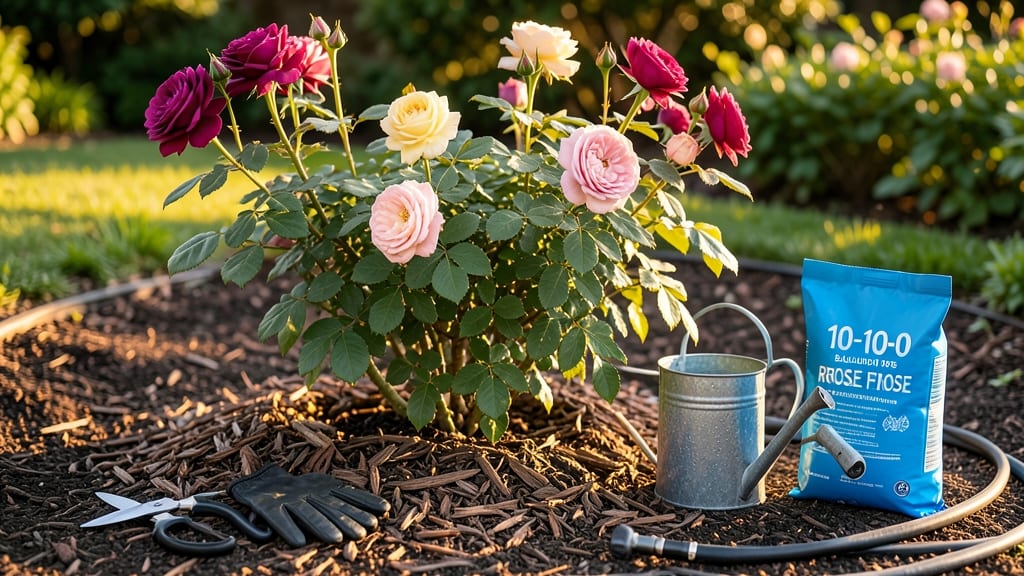
Here’s how to get more blooms on your roses—by next summer, they could be covered in vibrant flowers. 🌹 I’ve turned my once-sparse bushes into lush, repeat-flowering powerhouses with just three key adjustments—pruning smarter, feeding right, and watering consistently. The secret isn’t complicated, but it takes timing and precision.
Most gardeners over-prune or cut at the wrong time, stunting new growth. Instead, focus on selective cuts in late winter to encourage strong stems, then deadhead spent blooms all season.
Pair that with balanced organic fertilizer (like compost tea or fish emulsion) every 4-6 weeks, and you’ll see bushier canes producing 30-50% more flowers than before.
By mid-summer, you’ll notice thicker stems and longer bloom cycles—some roses will keep flowering until frost. The trick is consistency: prune once, feed regularly, and water deeply (1-2 inches per week) without letting soil dry out completely. Even neglected roses can bounce back with this approach.
This method works for hybrid teas, floribundas, and shrub roses alike—no fancy tools or expensive amendments needed. Let’s get those canes blooming like crazy.
📚 In This Guide
- What you need
- Instructions
- Tips and common mistakes
- Wrapping up and next steps
What you need
- ● Pruning shears or bypass pruners – Sharp, clean, and disinfected (avoid dull tools that crush stems).
- ● Hand pruners or loppers – For thicker stems (½" to 1" diameter).
- ● Gloves – Thick gardening gloves (roses can have thorns!).
- ● Disinfectant (rubbing alcohol or bleach solution) – 1 part bleach to 9 parts water to sterilize tools.
- ○ Pruning sealant (optional but helpful) – Pruning wax or tree paint to protect cuts on larger branches.
- ○ Garden twine or plant ties (optional) – For supporting heavy blooms or training new growth.
- ● Fertilizer (balanced or rose-specific) – Look for NPK ratios like 10-10-10 or 5-10-5 (avoid high-nitrogen for blooms).
- ○ Mulch (optional) – Organic mulch (straw, wood chips, or compost) to retain moisture and suppress weeds.
- ● Watering can or hose with a gentle nozzle – Deep watering is key!
- ○ Notebook & pen (optional) – To track pruning dates and growth progress.
- ● Healthy rose bushes – Prune only disease-free plants (remove dead/diseased canes first).
- ● Right timing – Late winter/early spring (before new growth starts).
- ● After first bloom (for repeat-blooming roses).
- ● Sunlight – At least 6–8 hours of direct sun daily (roses thrive in full sun!).
- ● Well-draining soil – Amend heavy clay with compost if needed.
Tips & tricks for encouraging nonstop rose blooms
Transforming your roses into blooming powerhouses takes more than just occasional pruning—it's about strategic timing and attention to detail that most gardeners overlook.
Timing is Everything: The late February to early March window for winter pruning is critical because it aligns with the plant's natural dormancy break. I've seen roses struggle when pruned too early or late—buds may swell prematurely and get damaged by unexpected frosts. Check your local frost dates and mark your calendar. In warmer climates, you might need to adjust to early February, while colder regions should wait until late March. The key is to prune when buds are still tight and haven't begun to swell.
Pruning Precision: That one-third to one-half reduction of last year's growth isn't arbitrary—it's about finding the balance between encouraging new growth and maintaining structural integrity. I learned this the hard way after over-pruning a prized hybrid tea and watching it produce only sparse blooms. When making your cuts, remember the 45-degree angle isn't just for aesthetics—it prevents water from sitting on the cut surface, which could lead to rot. Think of it like creating a tiny roof that sheds water away from the plant.
Fertilizer Strategy: The balanced 10-10-10 ratio is your foundation, but don't underestimate the power of that handful of bone meal. I've noticed a significant increase in bud formation when I add it—especially for roses that seem to struggle with producing enough blooms. The phosphorus boost helps develop those strong root systems that support more flowers. Just be careful not to overdo it; too much phosphorus can actually inhibit bloom production in some rose varieties.
Watering Wisdom: Those twice-weekly waterings during the growing season should be deep—think of soaking the soil to a depth of 12-18 inches. I use a soil probe to check moisture levels because surface watering only encourages shallow root growth. And morning watering isn't just about preventing fungal diseases—it gives leaves plenty of time to dry completely before evening, which is when most fungal spores become active. The 2-3 inch dry layer between waterings might seem counterintuitive, but it prevents waterlogged conditions that can suffocate roots.
Pro Tips for Get More Blooms On Roses
- Transforming your roses into blooming powerhouses takes more than just occasional pruning—it's about strategic timing...
- Timing is Everything: The late February to early March window for winter pruning is critical because it aligns with t...
- Pruning Precision: That one-third to one-half reduction of last year's growth isn't arbitrary—it's about finding the ...
Frequently asked questions
Got questions about coaxing more blooms from your roses? Here are some of the most common concerns—and their solutions—to help you grow a showstopping rose garden!
Why aren’t my roses blooming as much as they used to?
Overpruning, poor nutrition, or disease (like black spot) can reduce blooms. Start with a healthy pruning routine in early spring, then feed roses with a balanced fertilizer (10-10-10) in spring and summer. Pro tip: Deadhead spent blooms to encourage new growth!
When is the best time to prune roses for more blooms?
Prune hybrid teas and grandifloras in late winter or early spring (just before new growth starts). For shrub and climbing roses, prune in early spring or after blooming. Avoid heavy pruning in fall—it stresses plants and invites disease.
Can I use organic methods to boost rose blooms?
Try compost tea, fish emulsion, or egg shells (crushed for calcium). Mulch with well-rotted manure or leaf mold to retain moisture and nutrients. Bonus: Companion plants like garlic or marigolds deter pests naturally!
What should I do if my roses bloom but then stop suddenly?
Sudden bloom cessation often signals stress from heat, drought, or pests. Check for aphids or spider mites (spray with neem oil if needed). Water deeply 1–2 inches per week and provide afternoon shade in hot climates. Reapply bloom fertilizer mid-season if growth slows.
Are there rose varieties that bloom nonstop with less effort?
Yes! Floribunda roses (like ‘Iceberg’) and shrub roses (e.g., ‘Knock Out’) bloom repeatedly with minimal pruning. Climbing roses also reward patience with seasonal color. Tip: Check your zone’s hardiness—some varieties thrive year-round in mild climates!
Wrapping up and next steps
Transforming your roses into a bloom-filled paradise is totally within reach! By mastering the art of pruning, feeding, and caring for your plants, you’ll enjoy lush, vibrant blooms that last all season. Start small—pick one technique, like deadheading or fertilizing, and watch your garden thrive with every step.
Ready to see the magic? Grab your pruners and put these tips into action today—your roses will thank you with nonstop color! 🌸✨