
Transplanting
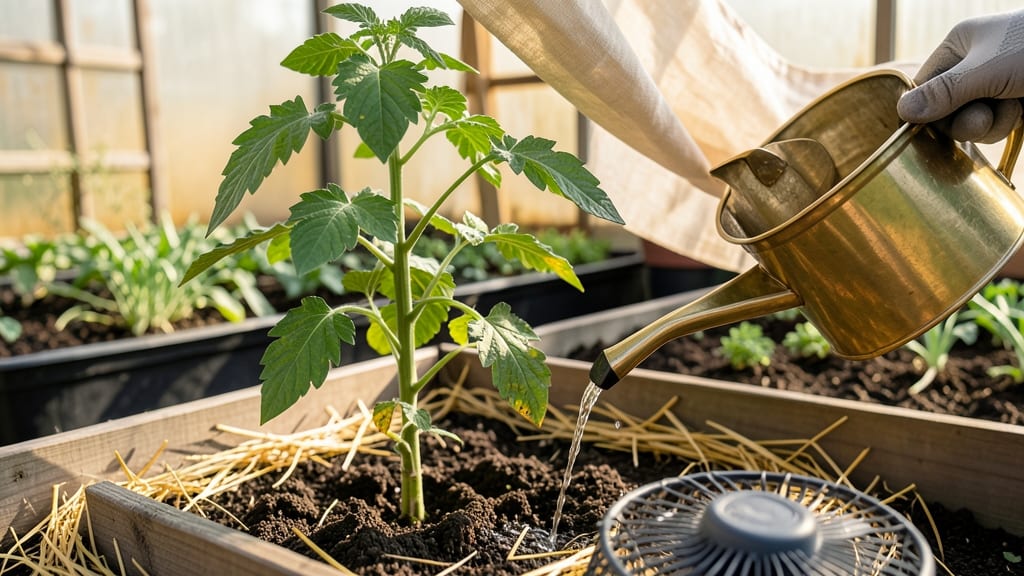
How to care for seedlings during a heatwave—before they wilt faster than you can water them? 🌱 Heatwaves turn tender young plants into crispy snacks if you don’t act fast, but I’ve saved dozens with these exact tricks. The key isn’t just throwing water at them; it’s creating a microclimate that mimics their ideal growing conditions while the world outside bakes.
Start with shade cloth (at least 30-50% coverage) to filter harsh sunlight, and water deeply at dawn when evaporation is lowest. Avoid overhead sprinklers—they blast away soil moisture and encourage fungal diseases.
For extra protection, drape row covers loosely over seedlings, securing them with gentle clips to allow airflow while blocking the worst of the sun.
You’ll notice the difference within 24 hours: leaves stay plump, not limp, and new growth appears instead of scorched edges. Mulch heavily with straw or grass clippings to lock in moisture, and consider moving potted seedlings to shaded benches or under eaves.
Herbs like basil and cilantro handle heat better than lettuce or cabbage, so adjust your planting choices if summers are brutal.
Heat stress shows up as yellowing leaves, curled edges, or plants leaning toward the light—don’t wait until you see these signs.
The best offense is prevention: start seeds indoors or in a cool greenhouse until nighttime temperatures stay above 55°F, and always harden off seedlings gradually before transplanting during peak heat. Your future harvest depends on these early weeks.
📚 In This Guide
- What you need
- Instructions
- Tips and common mistakes
- Wrapping up and next steps
What you need
- ● Shade cloth (30-50% coverage) – At least 2-4 square feet per seedling, depending on pot size. Opt for lightweight, breathable fabric.
- ● Watering can or spray bottle – A 1-gallon capacity with a fine mist nozzle for gentle hydration.
- ● Potting mix (well-draining) – 2-3 gallons per container, enriched with perlite or vermiculite (20% mix) for aeration.
- ● Thermometer (soil/probe type) – To monitor temperatures; ideal range: 60-75°F (15-24°C).
- ● Reflective mulch or aluminum foil – 1-2 square feet per seedling to deflect heat from pots.
- ● Fan (small, portable) – A low-speed setting to improve airflow (place 1-2 feet away from seedlings).
- ● Drip irrigation system – Automates watering; ideal for large batches.
- ● Humidity dome or plastic wrap – Temporarily traps moisture (remove during peak sun).
- ● Ice cubes or frozen water bottles – For emergency cooling (place near roots, not directly on seedlings).
- ● Epsom salt (magnesium sulfate) – 1 tsp per gallon of water to boost heat-stressed seedlings.
- ● Grow lights (LED, cool spectrum) – If moving indoors, ensure 12-14 hours of light/day.
Step-by-Step instructions for protecting seedlings in extreme heat
Here's how I've saved countless seedlings from wilting or bolting during summer heatwaves—using simple adjustments that work immediately.
🌿 Step 1: Provide Immediate Shade Without Blocking Light
Move seedlings to a location with 50-70% shade—think dappled sunlight or under a sheer fabric shade cloth. I use white frost cloth stretched over a frame because it blocks 30% of sunlight while still allowing light penetration. If you don't have fabric, prop up a white bedsheet or use a cardboard box with small holes cut in the top to diffuse light.
Watch for wilting leaves—if they droop by midday, increase shade coverage. The goal is to keep soil moisture stable while preventing heat stress. Avoid plastic or dark-colored materials, which trap heat and cook the plants.
💧 Step 2: Water Deeply Early in the Day
Water seedlings before 8 AM when temperatures are still cool. Use a slow watering method—like a watering wand with a fine rose—to soak the soil 2-3 inches deep. You'll know it's enough when water runs out the drainage holes. I like to water until the top inch feels cool to the touch—this signals proper hydration.
Mist the leaves once daily in extreme heat (above 90°F), but avoid wetting foliage after midday to prevent fungal diseases. Focus on keeping the root zone moist—this is where seedlings draw their strength from during heat stress.
☀️ Step 3: Adjust Airflow Without Stressing Plants
Set up a small fan on low speed 2-3 feet away from seedlings to create gentle airflow. This mimics natural wind movement and helps evaporative cooling. You'll see leaves staying upright and less wilting within hours. Avoid strong drafts—just enough to keep air circulating.
If outdoors, position seedlings where they get morning sun and afternoon shade. A north-facing window or east exposure works well for container seedlings. If you must keep them in direct sun, use reflective surfaces like white trays under pots to bounce light away from roots.
⏰ Step 4: Monitor and Revive Stressed Seedlings
Check seedlings twice daily for signs of heat stress: yellowing leaves, curled edges, or limp stems. If you see these, move them to shadier conditions immediately and give them a cool-water soak (soak the pot in a tray of water for 15 minutes). This helps reset their moisture balance.
For severely wilted seedlings, trim any crispy or browned leaves with clean scissors to reduce water loss. Don't remove more than 20% of the foliage—this helps the plant focus energy on recovery. Keep them in humid conditions (like a greenhouse or under a humidity dome) until they perk up.
Tips & tricks for protecting seedlings in extreme heat
Here's what nobody tells you about keeping seedlings thriving when temperatures climb—these tricks have saved my plants from heatwave disasters.
Shade Strategy: In Step 1, when setting up that 50-70% shade, consider layering materials for flexibility. I use a combination of a sheer white curtain (30% block) and a lightweight mesh screen (20% block) that I can adjust based on the sun's intensity throughout the day. For temporary setups, white bedsheets work wonders but can get hot—hang them loosely to allow airflow underneath. The key is maintaining that delicate balance where plants still get enough light to photosynthesize but aren't fried by direct rays.
Watering Wisdom: The early morning watering in Step 2 is non-negotiable, but here's the secret about that 2-3 inch soil depth: Use your finger to check moisture at different levels. The top inch should feel cool to the touch, but the 2-3 inch mark should be slightly damp—not soggy. I've found that watering containers from the bottom (placing them in trays of water for 10-15 minutes) encourages deeper root growth during heat stress. This method also reduces evaporation from the soil surface.
Airflow Adjustments: That small fan on low speed in Step 3 deserves special attention. Position it so it creates a gentle breeze across the seedlings rather than blowing directly on them. You'll notice leaves staying upright within minutes—this is the evaporative cooling effect at work. For outdoor setups, I've had success using solar-powered USB fans that run continuously without drawing power. The goal is to mimic natural wind patterns without creating stress from strong gusts.
Stress Recovery: When you're monitoring seedlings twice daily in Step 4, pay special attention to the timing of that 15-minute cool-water soak. The best time is either early morning or late evening when temperatures are lowest. I've found that adding a drop of mild dish soap (just a few drops per gallon of water) to the cool-water soak helps reduce surface tension on leaves, allowing them to absorb moisture more effectively. This can make the difference between recovery and permanent damage during extreme heat.
Pro Tips for Care For Seedlings During Heatwave
- Here's what nobody tells you about keeping seedlings thriving when temperatures climb—these tricks have saved my plants from heatwave disasters.
- Shade Strategy: In Step 1, when setting up that 50-70% shade, consider layering materials for flexibility.
- Watering Wisdom: The early morning watering in Step 2 is non-negotiable, but here's the secret about that 2-3 inch soil depth: Use your finger to check moisture at different levels.
Frequently asked questions
Got questions about keeping your seedlings thriving in scorching temps? You're not alone! Here are answers to the most common concerns—so you can save your green babies without stress.
How often should I water seedlings during a heatwave?
Check soil moisture daily—seedlings need water twice a day in extreme heat (morning and late afternoon). Use a spray bottle or gentle stream to avoid disturbing roots. Pro tip: Water at the base, not overhead, to prevent fungal issues.
Can I use household items like milk jugs or plastic bottles for shade?
Cut milk jugs or soda bottles in half and place them over seedlings to create DIY shade tents. Ensure they’re not touching leaves (to avoid moisture buildup) and remove them in the evening for airflow. Bonus: Label them with plant names for organization!
What if my seedlings look wilted or crispy—are they beyond saving?
Don’t give up yet! Wilted seedlings may just need immediate hydration and shade. For crispy edges (heat stress), trim damaged leaves and move them to cooler spots. Revive trick: Mist leaves lightly with water and watch for recovery in 24–48 hours.
How long can seedlings survive without water during a heatwave?
Most seedlings last 1–3 days without water in heat, but it depends on soil type and humidity. Sandy soil drains fast—check moisture hourly if temps exceed 90°F (32°C). Warning: Wilting after 24 hours signals distress; act fast!
Should I move seedlings indoors during extreme heat?
Indoors can help, but avoid direct AC vents or sunny windows (temperature swings stress plants). Opt for a cool, shaded room (60–70°F/15–21°C) or a basement. If outdoors, prioritize shade cloth (30–50%) over full indoor relocation.
What’s the best way to harden off seedlings after a heatwave?
Gradually reintroduce sunlight over 5–7 days: Start with 1–2 hours of morning shade, then increase exposure daily. Key: Harden off in the coolest part of the day (early morning) to avoid shock. Monitor for leaf burn—adjust as needed!
Wrapping up and next steps
Caring for seedlings during a heatwave might feel overwhelming, but with the right strategies, you can protect and revive them—even in scorching temperatures! 🌱✨ Remember, shade, hydration, and gradual acclimation are your best allies. Stay patient, monitor their progress, and don’t hesitate to adjust your approach as needed.
Now that you’re armed with these tips, it’s time to put them into action. Head to your garden or greenhouse today, check on your seedlings, and give them the TLC they deserve. Your green thumb is about to shine brighter than ever! 🌞💚