
Container Gardens
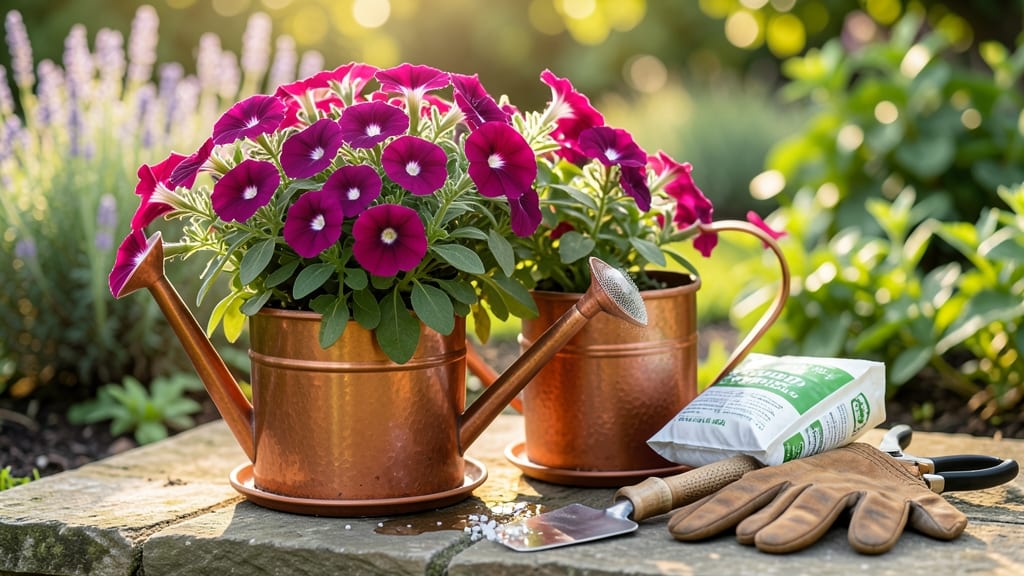
Caring for potted petunias doesn’t need to be complicated—just simple habits that keep those blooms coming all season. 🌸 I’ve turned my balcony into a nonstop flower show by mastering just three key moves: watering right, pruning smart, and feeding consistently. The secret? Petunias thrive on routine, not perfection.
Start with well-draining soil and a pot with drainage holes—no fancy equipment needed. Place them where they’ll get 6-8 hours of sunlight daily, then water when the top inch feels dry (usually every 2-3 days).
The real game-changer? Pinching back spent blooms weekly to encourage more flowers. It’s that easy.
By summer’s end, you’ll have lush, neighborhood-jealousy-worthy plants that keep blooming until frost. The key is staying consistent—no overwatering, no skipping pruning, and no skimping on fertilizer. Even my black thumb can’t kill these with this method.
Winter care is simple too: move pots indoors near a sunny window and cut back watering. Come spring, they’ll bounce back ready for another season. Here’s how to keep them thriving all year—no green thumb required.
📚 In This Guide
- What you need
- Instructions
- Tips and common mistakes
- Wrapping up and next steps
What you need
- ● Potted petunias: 1–3 plants (depending on pot size—small pots fit 1, medium holds 2–3). Choose spreading or trailing varieties for containers!
- ● Well-draining container: 1 pot with drainage holes (minimum 12 inches wide for 1–2 plants, 16+ inches for 3+). Terracotta or fabric pots work great!
- ● Potting mix: 1 bag of lightweight, well-draining mix (e.g., 50% potting soil + 50% perlite/pine bark). Avoid garden soil—it compacts!
- ● Slow-release fertilizer: 1 packet of balanced (10-10-10 or 20-20-20) granules or spikes (follow package rates).
- ● Watering can or hose with gentle spray: 1 (avoid overhead watering to prevent mildew).
- ● Pruning shears or clean scissors: 1 pair (sharp and sanitized with rubbing alcohol).
- ● Mulch: 1–2 inches of organic mulch (e.g., shredded bark) to retain moisture.
- ● Liquid fertilizer: 1 bottle of water-soluble fertilizer (for mid-season boosts).
- ● Support stakes or cages: 1–2 (for trailing varieties to prevent sprawling).
- ○ pH test kit: 1 (optional but helpful—petunias prefer 6.0–7.0 pH).
- ● Gloves: 1 pair (to protect hands from thorns on some varieties).
Step-by-step instructions for caring for potted petunias
Petunias reward simple care with nonstop blooms—here’s how to keep them thriving in pots.
☀️ Step 1: Place in Bright, Sheltered Light
Petunias crave 6+ hours of direct sunlight daily but hate scorching afternoon rays. A south or west-facing spot works best, but if your patio gets intense afternoon sun, move pots to a shadier area after 2 PM. You’ll know they’re happy when leaves stay deep green—not yellow or brown.
If you’re growing indoors near a window, rotate the pot a quarter turn weekly so stems grow straight instead of leaning toward the light. Petunias in low light stretch and produce fewer blooms, so supplement with a grow light if natural light falls short.
💧 Step 2: Water Deeply When Soil Dries
Check moisture by sticking your finger 1 inch into the soil—if it feels dry, water thoroughly until water runs out the drainage holes. Petunias in pots dry out fast, so water every 1-2 days in hot weather, but never let them sit in soggy soil. Overwatering causes root rot, which turns leaves yellow and mushy.
Water in the morning so foliage dries by evening, reducing fungal risks. If your petunias start dropping buds or flowers, they’re thirsty—adjust your schedule to keep soil evenly moist but not soggy. Mulch with 1 inch of organic mulch (like shredded bark) to slow evaporation and keep roots cool.
✂️ Step 3: Prune for Bushier Blooms Weekly
Deadhead spent blooms every 3-4 days by pinching off flowers just above the next set of leaves. This trick tells the plant to focus energy on new blooms instead of seed production. Use clean, sharp scissors to avoid tearing stems—petunias heal fast, so don’t worry about rough cuts.
Trim leggy stems back by one-third in early summer to encourage bushier growth. Cut just above a leaf node (the bump where leaves attach) to promote branching. You’ll see new side shoots emerge within 7-10 days, filling out the plant and boosting flower production.
🪴 Step 4: Feed and Refresh Soil Monthly
Use a balanced liquid fertilizer (like 10-10-10) every 2 weeks during bloom season (spring through fall). Mix it at half strength to avoid burning roots—petunias are heavy feeders but hate salt buildup. Flush the soil with water after fertilizing to prevent chemical buildup.
Swap out top 1-2 inches of soil every month to refresh nutrients. Petunias deplete soil fast, so this simple swap keeps them blooming longer. If you notice yellow leaves with green veins, it’s a sign of nitrogen deficiency—boost feedings temporarily and check for overwatering.
⏰ Step 5: Overwinter with Care (If Keeping Plants)
If you’re growing petunias as annuals, no need to overwinter—just enjoy their blooms until frost. But if you love your petunias and want to save them, move pots to a cool, bright spot (like a garage with natural light) when nights dip below 50°F. Reduce watering to once every 10-14 days and stop fertilizing entirely.
Trim back stems by half before storing to reduce stress. Check pots occasionally for pests or mold—petunias stored in damp conditions rot quickly. In spring, repot with fresh soil and resume regular care. You’ll be rewarded with early blooms and a head start on the season!
Tips & tricks for perfect potted petunias
Here's what nobody tells you—these small details make all the difference between happy petunias and struggling plants.
Light Strategy: Petunias love sunlight but hate scorching—watch for leaves that turn crispy or brown along the edges. If your patio gets intense afternoon sun, move pots to a shadier spot after 2 PM. For indoor growers, rotate your pot a quarter turn weekly to prevent lopsided growth toward the light source. I learned this the hard way after my petunias grew into awkward, one-sided monsters!
Pruning Precision: When deadheading every 3-4 days, pinch just above the next set of leaves—not at the base. This tiny difference encourages new blooms to grow in that spot. For leggy stems, cut back by one-third in early summer, but always cut just above a leaf node. You'll see bushier growth within 7-10 days, and your plants will look fuller instantly.
Watering Wisdom: The 1-inch soil check is key—if it feels dry at that depth, water thoroughly until it runs out the drainage holes. Morning watering prevents fungal issues, but don't let soil stay soggy. I've found that adding 1 inch of organic mulch (like shredded bark) helps retain moisture while keeping roots cool—it's like giving your petunias a built-in AC unit for their roots.
Overwintering Hack: If saving petunias for next year, trim stems by half before storing. This reduces stress and prevents mold growth. I store mine in a cool, bright garage with just enough light to stay alive, watering every 10-14 days. The early spring reward of blooming petunias makes the effort totally worth it!
Pro Tips for Care For Potted Petunias
- Here's what nobody tells you—these small details make all the difference between happy petunias and struggling plants.
- Light Strategy: Petunias love sunlight but hate scorching—watch for leaves that turn crispy or brown along the edges.
- Pruning Precision: When deadheading every 3-4 days, pinch just above the next set of leaves—not at the base.
Frequently asked questions
Got questions about keeping your potted petunias happy and blooming? Here are some of the most common ones—and their easy solutions!
How often should I water potted petunias?
Water your petunias when the top inch of soil feels dry—usually every 1-2 days in hot weather, but adjust for humidity and pot size. Overwatering is worse than underwatering! Ensure pots have drainage holes to prevent root rot. A quick finger test is the easiest way to check moisture levels.
Why aren’t my petunias blooming as much as they should?
Petunias need 6+ hours of sunlight daily and regular deadheading (removing spent blooms) to encourage new flowers. If blooms are sparse, check for underwatering, poor soil nutrition, or overcrowded roots. A balanced fertilizer (like 10-10-10) every 2-3 weeks can also help!
When is the best time to prune or trim potted petunias?
Prune in the morning on a dry, sunny day to avoid fungal issues. Light trimming (cutting back leggy stems by ⅓) can be done throughout the growing season, but wait until spring for a major haircut after winter. Always use clean, sharp shears to prevent damage.
What pests commonly attack petunias, and how do I get rid of them?
Watch for aphids, spider mites, or whiteflies—tiny pests that suck plant sap. For mild infestations, spray with soapy water (1 tsp mild soap per quart of water). Severe cases may need neem oil or insecticidal soap. Prevent pests by keeping plants healthy, well-watered, and free of debris.
Can petunias survive winter in pots?
Most petunias are annuals and won’t survive frost, but you can extend their life by bringing pots indoors near a sunny window (60°F+). Alternatively, take cuttings in early fall to propagate new plants next season. If you’re in a mild climate, mulch heavily and protect with burlap.
Wrapping up and next steps
Caring for potted petunias is all about consistency, patience, and a little love—and with these simple steps, you’ll be rewarded with vibrant blooms all season long! 🌸 Whether it’s deadheading, balancing sunlight, or keeping the soil just right, your efforts will pay off in a stunning display of color.
Now that you’re armed with the know-how, grab those shears and get pruning! Next, why not experiment with companion plants or try your hand at propagating cuttings to expand your petunia family?