
Advice
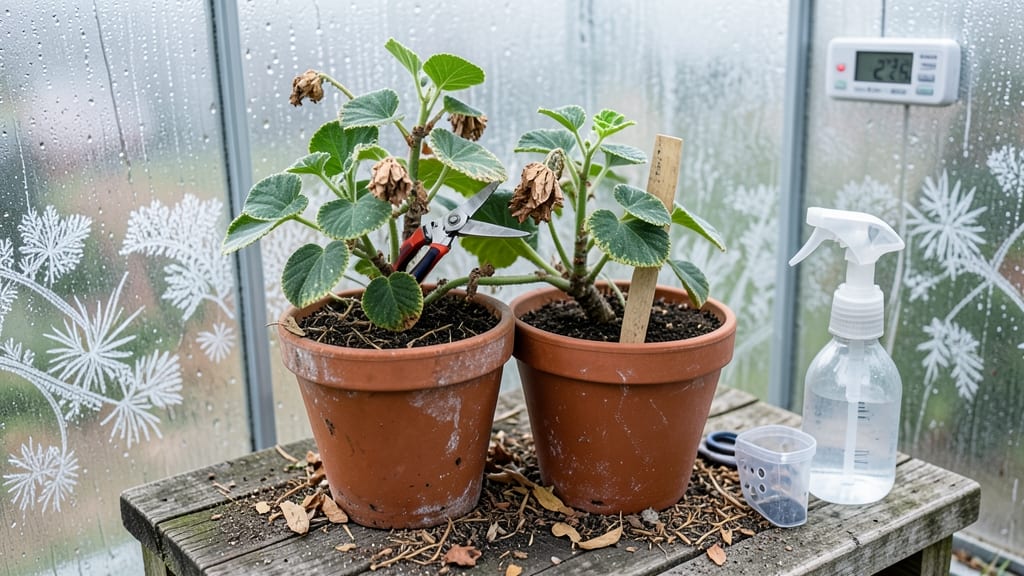
Overwintering geraniums in a cold greenhouse saves your frost-tender favorites from winter wipeout. 🌱 I’ve lost entire collections to damp rot and freezing temps—until I learned the right tricks for keeping them alive through the coldest months.
The key? Balancing moisture, light, and just enough warmth to trick them into dormancy without total shutdown.
First, prep your plants by pruning back leggy stems and repotting into fresh, well-draining soil. A 5-10°F temperature swing at night (down to 35°F) mimics their natural winter rest, but never let it drop below freezing.
Ventilation is critical—condensation kills faster than cold. I use a small fan to keep air moving, and it’s made all the difference.
You’ll wake up to sturdy, vibrant stems in spring—no leggy, weak regrowth. The secret’s in the consistent moisture check: too wet and roots suffocate; too dry and buds shrivel.
A simple moisture meter solves the guesswork. Watch for spider mites too; they love dry greenhouse air and can decimate dormant plants.
Cold greenhouses demand patience—this isn’t a quick fix, but the payoff is worth it. My geraniums now bloom earlier and more abundantly than store-bought plants, and the process gets easier every year. Let’s get those cuttings through winter unscathed.
📚 In This Guide
- What you need
- Instructions
- Tips and common mistakes
- Wrapping up and next steps
What you need
- ● Healthy geranium plants: Prune back any dead or diseased foliage before storing (keep only 2-3 inches of stems). Aim for 10-15 plants per square foot if stacking.
- ● Well-draining potting mix: Use a sterilized mix (e.g., 60% peat moss, 30% perlite, 10% vermiculite) to prevent rot. 1 gallon per plant is ideal.
- ● Containers: Choose clean, breathable pots (plastic or terracotta) with drainage holes. 6-8 inch diameter works for most geraniums.
- ● Cold-hardy greenhouse: Maintain temps between 35–45°F (2–7°C). A polycarbonate or glass structure with ventilation is best.
- ● Mulch or straw: 2-3 inches to insulate soil and retain moisture (avoid organic mulch like leaves—it can mold).
- ● Watering can with a fine rose: For gentle hydration (overwatering is the #1 killer!).
- ○ Humidity tray or pebble tray: Optional but helpful for low-humidity areas (fill with water + pebbles).
- ● Pruning shears: Sterilized (rubbing alcohol wipe) to trim stems cleanly.
- ● Labeling tags: To track varieties (e.g., Zonal, Ivy, or Scented geraniums).
- ● Grow lights: If your greenhouse lacks light, LED or fluorescent bulbs (12–14 hours/day) can boost growth.
- ● Thermometer/hygrometer: Monitor temps and humidity (40–50% humidity is ideal).
- ● Insecticidal soap or neem oil: Preemptively treat for spider mites or aphids (common overwinter pests).
- ● Rooting hormone: If propagating cuttings, use a gentle formula to encourage growth.
- ● Greenhouse fan or vent opener: Ensures air circulation to prevent fungal issues.
Step-by-Step instructions for overwintering geraniums in cold greenhouses
Here's how to keep your frost-tender geraniums thriving through winter with minimal fuss.
🪴 Step 1: Prepare the Greenhouse Environment
Start by ensuring your greenhouse maintains a minimum temperature of 35°F—any colder risks root rot or frost damage. I like to add a layer of clear plastic sheeting over the windows to trap heat, especially on north-facing sides where cold air collects. Ventilate briefly on mild winter days to prevent humidity buildup, but close vents immediately when temperatures drop below 40°F.
Check for drafts around doors and vents—even small gaps let in cold air that can shock geraniums. Seal with weatherstripping if needed. I also place a thermometer inside near the plants to monitor fluctuations. If temperatures dip below 30°F for more than a few hours, move potted geraniums to a sheltered indoor space temporarily.
✂️ Step 2: Prune and Repot Before Dormancy
Trim back all stems by one-third to reduce water loss and encourage new growth in spring. Use clean, sharp shears to cut just above a leaf node—this prevents disease spread. I avoid heavy pruning in late fall, as geraniums need some foliage to photosynthesize during short winter days.
Repot any geraniums still in last year's soil into fresh well-draining potting mix. Overcrowded roots struggle in winter, and fresh mix prevents salt buildup from winter watering. Choose pots with drainage holes—waterlogged roots are the #1 killer of overwintered geraniums. I also add a handful of perlite to each pot to improve aeration.
💧 Step 3: Adjust Watering for Winter Conditions
Reduce watering to once every 10-14 days, checking soil moisture by pushing your finger 1 inch deep—water only when it feels completely dry. Overwatering in cold greenhouses leads to root rot, which spreads silently until it's too late. I water in the morning so excess moisture evaporates during the day rather than sitting in cold soil overnight.
Mist the foliage lightly every 2-3 weeks to combat dry greenhouse air, but avoid wetting the stems. Geraniums are drought-tolerant but appreciate occasional humidity boosts. If leaves yellow or drop, you're either overwatering or underwatering—check the soil moisture first before adjusting frequency.
☀️ Step 4: Provide Supplemental Light if Needed
Geraniums need at least 6 hours of light daily to survive winter. If your greenhouse gets limited sunlight, supplement with a grow light for 4-6 hours per day. Position the light 12-18 inches above the plants to prevent leggy growth. I use a timer to automate light cycles—consistency matters more than duration.
Watch for stems stretching toward the light (a sign of insufficient intensity). If you see this, move the light closer or increase runtime by 1 hour daily until growth normalizes. Healthy overwintered geraniums have compact stems and deep green leaves—anything pale or sparse needs more light.
🌿 Step 5: Monitor and Prevent Pests/Diseases
Inspect plants weekly for spider mites or whitefly, common greenhouse pests that thrive in dry winter air. Wipe leaves with a damp cloth if you spot dust or webbing—prevention is easier than treatment. I also place yellow sticky traps near the plants to catch early infestations before they spread.
If you notice gray mold (botrytis) on stems, remove affected leaves immediately and improve airflow by spacing pots farther apart. Avoid overhead watering—always water at the base to keep foliage dry. A 10-minute daily ventilation on mild days reduces humidity and pest risks without shocking the plants.
Tips & tricks for perfect overwintering geraniums in cold greenhouses
These small adjustments make all the difference between geraniums that struggle and ones that bloom beautifully next spring.
Temperature Precision: The 35°F minimum isn't just a guideline—it's the absolute threshold for geranium roots. I've seen plants survive brief dips to 30°F for a few hours, but prolonged exposure risks irreversible damage. Consider a small space heater (safely positioned) for extreme cold snaps, especially if your greenhouse sits in a windy location. A thermometer placed at plant level gives more accurate readings than one near the door.
Pruning Strategy: When you trim stems back by one-third in Step 2, focus on removing the oldest, leggiest growth first. This preserves the plant's energy reserves while still reducing water loss. I always sterilize my shears with rubbing alcohol between cuts to prevent bacterial spread—this simple step has saved multiple batches of geraniums from fungal infections during winter.
Lighting Optimization: For the 6 hours of daily light requirement, position your grow lights to cover the entire canopy, not just the tops. Geraniums grow bushy, and lower leaves often get shaded. If you notice new growth stretching toward the light, it's time to either lower the light fixture or increase runtime by 1 hour daily until stems compact again. A simple string of LED grow lights works perfectly for this.
Watering Wisdom: The 10-14 day watering interval can feel risky, but remember—geranium roots need time to dry out in winter. I've found that watering in the morning gives roots time to absorb moisture before evening temperatures drop. For extra insurance, add a thin layer of mulch (like perlite) on top of soil to slow evaporation while still allowing airflow to roots.
Pro Tips for Overwinter Geraniums In A Cold Greenhouse
- These small adjustments make all the difference between geraniums that struggle and ones that bloom beautifully next ...
- Temperature Precision: The 35°F minimum isn't just a guideline—it's the absolute threshold for geranium roots. I've s...
- Pruning Strategy: When you trim stems back by one-third in Step 2, focus on removing the oldest, leggiest growth firs...
Frequently asked questions
about overwintering geraniums in cold greenhouses—because even the best-laid plans need a little troubleshooting! Here’s what you’ve been wondering:What’s the ideal temperature range for overwintering geraniums?
Keep your geraniums cozy but not too warm—aim for 35–45°F (2–7°C). Avoid freezing temps (<32°F/0°C) or overheating (>50°F/10°C), which can stress the plants. A cold greenhouse with good ventilation (via vents or fans) helps maintain this balance.
When should I start preparing geraniums for winter?
Begin 6–8 weeks before the first frost (typically late summer/early fall). This gives you time to prune, repot, and adjust light levels. If you’re late, don’t panic—just prioritize reducing water and light gradually to mimic natural dormancy.
Can I overwinter geraniums without a greenhouse?
If you lack a greenhouse, try:
- Unheated attics (keep humidity low with ventilation)
- Garages or basements (ensure temps stay above freezing)
- Buried pots (dig holes, cover with straw, and insulate)
How do I prevent mold or pests during overwintering?
Mold thrives in damp conditions, so reduce watering to just enough to prevent wilting and use a fan for airflow. For pests (like spider mites), inspect leaves weekly and treat with neem oil if needed. Pro tip: Space pots apart to improve circulation!
Will my geraniums bloom again next year if I overwinter them?
Yes! With proper care, geraniums often rebound vigorously in spring. Prune back leggy growth in early spring, increase light, and fertilize lightly (half-strength) to encourage fresh blooms. Patience pays off—your geraniums may even outperform store-bought plants!
Wrapping up and next steps
Overwintering geraniums in a cold greenhouse is totally doable—and with these steps, your frost-tender beauties will bounce back stronger than ever! 🌱 By pruning, monitoring humidity, and providing just the right chill, you’re giving them the perfect winter nap. Soon, they’ll reward you with vibrant blooms come spring.
Ready to put your new skills into action? Start by inspecting your geraniums this week—trim any dead leaves, check for pests, and adjust your greenhouse setup. Your future spring garden (and happy plants!) will thank you. 🌸