
Size
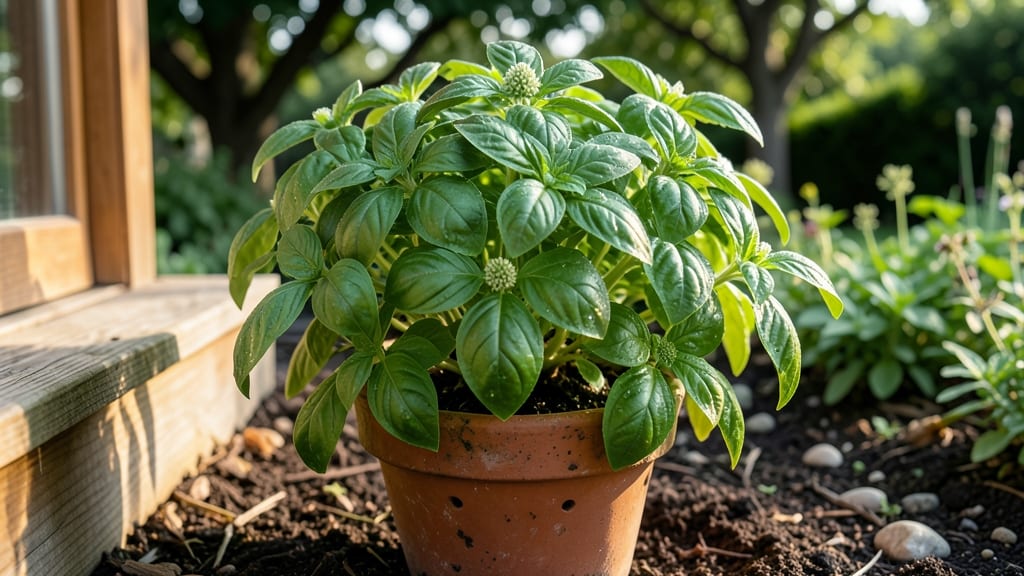
How to grow bushy basil is all about one simple trick: pinch early, prune often. 🌿 I’ve turned scraggly, leggy basil into thick, leafy powerhouses by mastering this technique—no green thumb required. The secret lies in understanding when and how to shape your plant for maximum foliage. Start with the basics: 6-8 hours of sunlight daily and well-draining soil (or a pot with drainage holes). Water when the top inch feels dry, but never let it sit in soggy soil. The real magic happens when you pinch off the top set of leaves just above a pair of lower leaves—this forces the plant to branch out instead of growing tall and sparse. By midseason, you’ll have a compact, bushy plant producing leaves for weeks. Harvest regularly to encourage new growth, and avoid letting it flower (those stems are bitter). The payoff? A basil plant that looks like it belongs in a gourmet garden, not just your kitchen. Works for both indoor windowsills and outdoor pots. The same principles apply—just adjust sunlight exposure for your space. Ready to transform that sad little basil into a leafy monster?
📚 In This Guide
- What you need
- Instructions
- Tips and common mistakes
- Wrapping up and next steps
What you need
- ● Basil seeds or seedlings: Choose Genovese, Thai, or Purple basil for robust growth. You’ll need 3–5 seeds (or 1–2 seedlings) per pot.
- ● Containers: Pots: 6–12 inch diameter with drainage holes (2–3 plants per pot for bushiness).
- ● Garden bed: Full sun (6+ hours/day) and well-draining soil.
- ● Potting mix: Lightweight, organic blend with perlite or vermiculite (avoid heavy garden soil).
- ● Fertilizer: Balanced liquid fertilizer (10-10-10 or 20-20-20, diluted to half-strength).
- ○ Compost or worm castings (optional, for nutrient boost).
- ● Pruning shears or clean scissors: Sharp and sanitized (rubbing alcohol works!).
- ○ Gloves: Optional but helpful for handling soil or thorny stems.
- ● Watering can or spray bottle: Basil hates soggy roots—aim for 1 inch of water per week.
- ○ Support (optional): Small stakes or cages if basil flops in windy areas.
- ● Sunlight: 6+ hours of direct sun daily (south-facing windows or greenhouse if indoors).
- ● Temperature: Ideal range: 70–80°F (21–27°C). Avoid frost!
- ● Humidity: Basil loves it humid—mist leaves or use a pebble tray if air is dry.
- ● Patience: Bushy growth takes 4–6 weeks from seed (or 2–3 weeks from seedlings).
Step-by-step instructions for growing bushy basil
Here's the foolproof method I use to grow basil that stays compact and productive all season.
🌱 Step 1: Start with Proper Planting and Light
Basil thrives in full sun—at least 6-8 hours daily. I plant mine in well-draining potting mix (never garden soil) in containers with drainage holes, because basil roots hate soggy feet. The key is spacing: plant seeds 12-18 inches apart or transplants 10-12 inches apart—crowding leads to weak stems and leggy growth.
Water immediately after planting to settle the soil around roots, then let the top inch dry before watering again. Overwatering at this stage causes damping-off, where seedlings collapse mysteriously. You'll know moisture is right when the soil feels damp but not wet to the touch.
✂️ Step 2: Pinch Back for Bushier Growth
When your basil reaches 4-6 inches tall (about 4-6 weeks after planting), it's time for the first pinch. Using clean scissors or fingers, snip off the top set of leaves just above a pair of lower leaves. This forces the plant to branch out instead of growing tall and leggy.
Here's the thing—don't pinch too low. You're not harvesting; you're stimulating growth. Watch for new side shoots emerging within 7-10 days. These will become your plant's framework for bushy, productive growth. Repeat this pinching every 3-4 weeks throughout the season.
💧 Step 3: Water and Fertilize Strategically
Water basil when the top 1-2 inches of soil feel dry. I use the finger test—stick your index finger in the soil. If it comes out clean, water thoroughly until it drains from the bottom. Basil hates moisture stress, but it also despises soggy roots, which leads to yellow leaves and root rot.
Feed with a balanced liquid fertilizer (10-10-10) every 2-3 weeks during active growth. Dilute to half-strength to avoid burning tender roots. You'll notice leaves perk up and grow faster—this is your plant telling you it's happy. Stop fertilizing when growth slows in late summer.
☀️ Step 4: Prune Regularly for Continuous Harvests
Prune basil by cutting stems just above leaf nodes (where leaves meet the stem) to encourage branching. I harvest the top 1/3 of the plant when stems reach 6-8 inches tall. This maintains shape while stimulating new growth. Always harvest in the morning when oils are at their peak.
Never take more than 1/3 of the plant at once—this prevents shock and keeps your basil producing. You'll see new growth within 5-7 days if you've been pinching regularly. The more you prune, the bushier your plant stays. Save cut stems in water for regrowth if you want extra plants.
⏰ Step 5: Protect and Extend the Season
When temperatures rise above 90°F, basil bolts (sends up flowers) and loses flavor. I prevent this by providing afternoon shade during heatwaves. A simple shade cloth or moving pots to partial shade works wonders. You'll notice leaves stay tender and green instead of turning bitter.
In fall, bring potted basil indoors before frost hits. Place it near a sunny window or under grow lights for 14-16 hours daily. Reduce watering as growth slows, but keep soil lightly moist. With proper care, your basil can keep producing all winter long.
Tips & tricks for growing bushy basil
A few simple adjustments can transform leggy, sparse basil into a lush, leafy powerhouse. These are the tricks that saved my struggling plants and turned them into productive giants.
Light is Everything: While 6-8 hours of sunlight is the baseline, your basil will reward you for more. If you notice stems stretching toward the light (a sign of etiolation), supplement with a grow light for an extra 2-3 hours daily. I've seen plants double their leaf production when given 8-10 hours of light—just avoid placing lights too close, which can scorch tender leaves. The key is consistent light exposure throughout the day.
Pinching Precision: That first pinch at 4-6 inches tall is critical, but timing matters just as much. I've found the sweet spot is when your basil has 4-6 true leaves (not counting the seed leaves). Pinch above a pair of leaves where you want new growth to emerge—this creates a strong branching structure. Here's what nobody tells you: the first side shoots will appear within 7-10 days, but they need time to strengthen before your next pinch. Wait until these new branches have 2-3 sets of leaves before pinching again.
Fertilizer Timing: The 2-3 week feeding schedule works, but there's a smarter way. I've learned to fertilize right after pinching—this gives the plant a nutrient boost as it's about to put on new growth. Use that half-strength 10-10-10 solution, but add a pinch of Epsom salt (about 1/2 teaspoon per gallon) for magnesium. Your basil will show you it's working with darker green leaves and more vigorous new shoots within 5-7 days. Stop fertilizing completely when you see flower buds forming—the plant will redirect energy to blooming instead of leaf production.
Seasonal Adjustments: When temperatures hit 90°F, basil's growth slows dramatically. I've had success with a simple trick: move pots to a shaded area during the hottest part of the day (11am-3pm), then return them to full sun in the morning and late afternoon. For indoor winter basil, position it within 6-12 inches of a south-facing window. If you notice leaves curling or yellowing, it's a sign the plant needs more light—supplement with a grow bulb for 14-16 hours daily to maintain production.
Pro Tips for Grow Bushy Basil
- A few simple adjustments can transform leggy, sparse basil into a lush, leafy powerhouse. These are the tricks that s...
- Light is Everything: While 6-8 hours of sunlight is the baseline, your basil will reward you for more. If you notice ...
- Pinching Precision: That first pinch at 4-6 inches tall is critical, but timing matters just as much. I've found the ...
Frequently asked questions
Got questions about growing lush, bushy basil?
You’re not alone! Here are answers to the most common queries—so you can keep your plants thriving and your kitchen stocked with fresh leaves.
How often should I pinch basil to keep it bushy?
Pinch basil regularly—about every 2–3 weeks—once it reaches 6–8 inches tall. This encourages branching and prevents leggy growth. Stop pinching 4–6 weeks before harvest season ends to allow flowers (which signal the end of the growing cycle).
Can I grow bushy basil indoors without sunlight?
Yes, but you’ll need a grow light (12–16 hours/day). Place your basil 6–12 inches from the bulb and rotate it daily for even growth. South-facing windows work too, but supplement with artificial light if leaves look pale or stretched.
What do I do if my basil turns yellow or wilted?
Yellow leaves often mean overwatering or poor drainage. Let soil dry slightly between waterings and use pots with drainage holes. Wilting can also signal underwatering or heat stress—move to partial shade if temps exceed 90°F (32°C).
Is it okay to harvest basil flowers for cooking?
Yes! Basil flowers add floral notes to dishes like pesto or salads. However, harvesting them speeds up the plant’s decline. If you want more leaves, prune flowers early to redirect energy to foliage. Save a few blooms for tea or garnishes!
Can I regrow basil from store-bought stems?
Place 4–6 inches of stem in water, changing it every 2–3 days. Roots should appear in 1–2 weeks. Once rooted, transplant to soil and pinch the top to encourage bushiness. Pro tip: Use organic basil (no preservatives) for best results!
Wrapping up and next steps
Growing lush, bushy basil is all about patience, consistency, and a little green thumb love! 🌿 By mastering the art of pinching, pruning, and proper care, you’ll enjoy a never-ending supply of fragrant leaves for your favorite dishes.
Remember, healthy basil thrives with the right balance of sun, water, and attention—so don’t be afraid to get hands-on with your plants.
Now that you’re armed with the know-how, roll up your sleeves and start harvesting! Try swapping fresh basil into your recipes this week, or even gifting a sprig to a fellow plant enthusiast. Happy growing—your kitchen (and taste buds) will thank you! 🍃