
How To
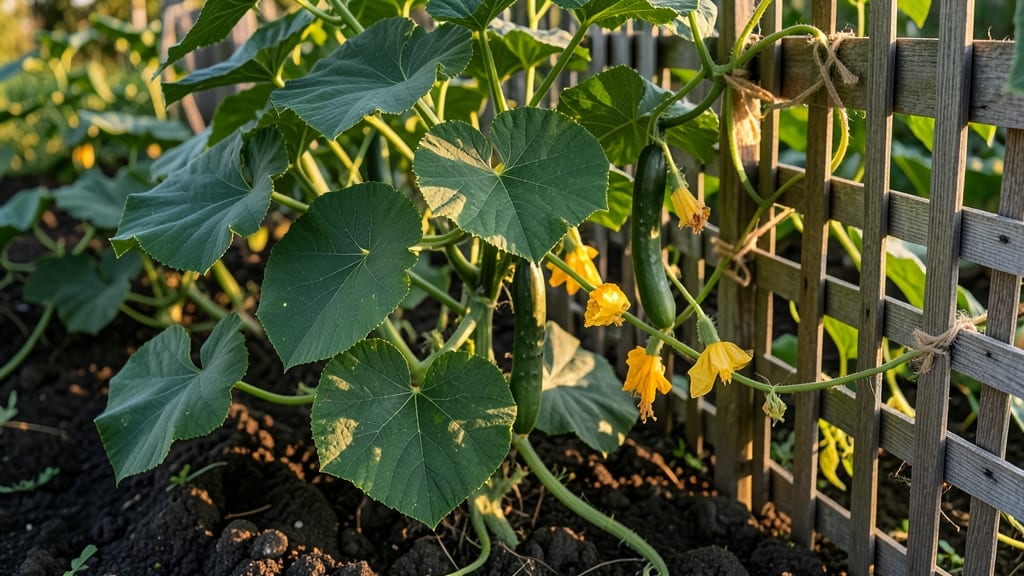
Cucumber vines reaching 10 feet in your backyard isn’t magic—it’s how to make cucumbers climb smartly with the right trellising. 🌱 I learned the hard way that letting them sprawl wastes space and invites disease, but with the right support, you'll get straighter, cleaner fruit and more plants in the same plot.
The secret starts with choosing sturdy materials: bamboo stakes, wire mesh trellises, or even repurposed fencing. Cucumbers need 3-4 feet of vertical space to thrive, and their tendrils will latch onto anything rough-textured within days.
My go-to is a 5-foot-tall A-frame trellis made from wooden stakes and chicken wire—cheap, strong, and reusable for years.
Once you've got the structure, the real fun begins. When vines hit 6 inches long, gently guide them upward and secure with soft plant ties. Prune side shoots to encourage upward growth, and watch as your cucumbers grow longer, straighter, and less prone to rot.
The air circulation alone makes a huge difference in fruit quality.
This method works for bush types too—just scale the trellis down to 2-3 feet. The key is consistency: check your vines weekly, adjust ties as they grow, and harvest regularly to keep production strong. Your neighbors will be asking for your trellis secrets by summer's end.
📚 In This Guide
- What you need
- Instructions
- Tips and common mistakes
- Wrapping up and next steps
What you need
- ● Cucumber seeds or seedlings: Choose climbing varieties like ‘Straight Eight,’ ‘Marketmore 76,’ or ‘Armenian’ (2–4 plants per trellis for optimal yield).
- ● Trellis or support structure: DIY options: Sturdy wooden stakes (4–6 ft tall), A-frame trellises, or cattle panels (4–5 ft wide).
- ● Store-bought: Plastic mesh trellises (5–6 ft tall) or tomato cages (reinforced for cucumber weight).
- ● Garden twine or soft plant ties: 10–15 ft of jute or plastic-coated twine (3–4 mm thick) to secure vines gently.
- ● Potting mix or well-draining soil: 1–2 cubic yards (or enough to fill raised beds/planters). Mix in compost (1 part compost to 3 parts soil) for nutrients.
- ● Fertilizer: Balanced organic fertilizer (10-10-10 or 5-5-5) or compost tea (apply at planting and mid-season).
- ○ Optional: Calcium supplement (e.g., crushed eggshells or lime) to prevent blossom-end rot.
- ● Garden trowel or shovel (for planting).
- ● Pruning shears (to trim side shoots and encourage upward growth).
- ● Measuring tape (for spacing trellises 3–4 ft apart).
- ● Watering can or hose with nozzle (cucumbers need 1–2 inches of water weekly).
- ○ Gloves (optional but handy for messy soil or thorny vines).
- ● Sunlight: Full sun (6–8+ hours daily)—partial shade may stunt growth.
- ● Space: Minimum 3–4 ft between trellises (or 18–24 inches between plants if using a single trellis).
- ● Warm soil: Wait until soil temps reach 60°F+ (use a soil thermometer if unsure).
- ● Wind protection: Secure trellises in windy areas to prevent toppling.
Step-by-Step instructions for training cucumbers vertically
Here’s how I train cucumbers to climb like pros—saving space and boosting yields.
🪴 Step 1: Install the Right Trellis Structure
Cucumbers need sturdy support, so I use a 6-foot-tall A-frame trellis or a strong wire grid (at least 12-gauge galvanized wire). For a single plant, a 4-foot-tall teepee works too. The key is spacing: 24 inches between posts for heavy varieties like 'Straight Eight' or 'Marketmore.' Hammer posts 12 inches deep into the soil for stability.
If using wire, attach horizontal wires every 12 inches—this gives vines something to grip. I always check for wobble after installation; a loose trellis will collapse under a cucumber’s weight. For small spaces, a vertical trellis net (like those used for tomatoes) is my go-to—it’s lightweight and easy to store.
🌱 Step 2: Plant Near the Trellis for Easy Access
Sow seeds or transplant cucumbers 6 inches away from the trellis, not directly against it. This gives roots room to spread before vines start climbing. I plant 4 seeds per hill (thinning to the strongest plant later) because cucumbers are finicky about transplant shock. Water deeply right after planting to encourage root growth toward the trellis.
For bushier varieties (like 'Bush Champion'), I pinch off the first few flowers to redirect energy into vine growth. You’ll know it’s working when new leaves appear every 2-3 days—that’s your cue to start guiding vines upward. Wait until vines are at least 6 inches long before training; younger vines snap easily.
✂️ Step 3: Train Vines Weekly as They Grow
Every 7-10 days, gently weave the tip of the main vine around the trellis wires or net. Cucumbers are right-handed climbers—they’ll naturally curl clockwise. If a vine strays, tuck it back without twisting (this can strangle the stem). I use soft garden twine to loosely tie vines to the trellis if they’re too weak to grip alone.
Watch for side shoots (those little stems growing from the main vine). For determinate varieties (like 'Lemon Cucumber'), let 2-3 side shoots grow per vine. For indeterminate types (like 'Straight Eight'), trim all but one side shoot every 12 inches—this keeps energy focused upward. Prune with clean scissors at a 45-degree angle to avoid tearing.
💧 Step 4: Water and Feed for Strong Vertical Growth
Cucumbers climbing need consistent moisture—water at the base daily during fruit set (when flowers appear). Let the top inch of soil dry between waterings to prevent mildew, but never let vines wilt. I mulch with 2 inches of straw to retain moisture and keep soil cool, which reduces stress on climbing vines.
Feed every 2 weeks with a balanced liquid fertilizer (10-10-10) or compost tea. You’ll see it working when vines double in length over 2 weeks and leaves stay deep green, not yellow. If vines slow down, a foliar spray of seaweed extract gives them a quick energy boost. Avoid over-fertilizing—too much nitrogen makes leaves grow fast but weakens climbing strength.
☀️ Step 5: Manage Fruit and Prevent Overload
Harvest cucumbers every 2-3 days to encourage more production. Overloaded vines sag and break under the weight. I check for ripe fruit first thing in the morning—that’s when cucumbers are crispest. For trellised plants, never let more than 3-4 fruits grow at once per vine; thin smaller ones to leave room for bigger ones.
Watch for powdery mildew (white fuzzy spots) on lower leaves—this happens when vines get crowded. Improve airflow by pruning lower leaves that block sunlight. If mildew appears, spray with a baking soda mix (1 tbsp baking soda + 1 quart water + a drop of dish soap). A well-trained cucumber vine should reach the top of the trellis in 4-6 weeks—that’s when you’ll get the sweetest, straightest cucumbers.
Tips & tricks for towering cucumber vines
These insider strategies will help you transform sprawling cucumber vines into productive, space-saving vertical gardens.
Structure Stability: When installing your trellis, add a second crossbar at 4 feet for extra support—this creates three secure points (3 feet, 4 feet, and top) to prevent sagging as vines grow heavier with fruit. I've seen trellises collapse under cucumber weight when they lack this middle support, especially in windy conditions. Use galvanized wire or sturdy plastic ties to connect the crossbars to the main structure.
Early Growth Hack: In Step 2, after planting, gently wrap the main stem around the trellis crossbar at the 3-foot mark using a soft plant tie. This creates an immediate upward anchor point that guides the vine's growth direction before it gets too heavy. The key is to do this when vines are just 6-8 inches tall—any earlier and they might not have enough strength to climb, any later and they'll struggle to reach the trellis.
Pruning Precision: When maintaining your vines in Step 4, focus on removing suckers that form below the first flower—these are the energy vampires that divert resources from fruit production. Leave the first few suckers above the first flower to develop into side vines, but only keep 1-2 strong ones per plant. I use clean, sharp pruning shears to make clean cuts just above a leaf node, which prevents disease entry points. This targeted approach maximizes air circulation while maintaining the vine's climbing momentum.
Watering Wisdom: The 1-2 inches deep watering guideline in Step 5 works best when applied directly to the soil base rather than overhead. Use a soaker hose or drip irrigation system to deliver water slowly at the roots—this prevents fungal diseases that thrive in damp foliage. I water in the early morning to allow leaves to dry completely before evening, which dramatically reduces powdery mildew risk. Mulching with 2-3 inches of straw helps maintain even moisture levels while suppressing weeds that compete for nutrients.
Pro Tips for Make Cucumbers Climb
- These insider strategies will help you transform sprawling cucumber vines into productive, space-saving vertical gardens.
- Structure Stability: When installing your trellis, add a second crossbar at 4 feet for extra support—this creates three secure points (3 feet, 4 feet, and top) to prevent sagging as vines grow heavier with fruit.
- Early Growth Hack: In Step 2, after planting, gently wrap the main stem around the trellis crossbar at the 3-foot mark using a soft plant tie.
Frequently asked questions
When is the best time to start training cucumbers to climb?
Start training your cucumbers as soon as they begin vining, usually 2–3 weeks after germination. At this stage, vines are strong enough to grip the trellis but not so heavy they’ll snap. Early support prevents sprawling and improves airflow, reducing disease risk. If you wait too long, the vines may become tangled or break under their own weight.
Can I use any type of trellis, or are some better than others?
While any trellis works (even a sturdy fence or A-frame), bamboo stakes, wire cages, or sturdy netting are ideal for cucumbers. Avoid flimsy materials—they’ll sag under heavy fruit. For bush varieties, a small cage (3–4 feet tall) suffices, while vining types need 6+ feet of vertical space. Pro tip: Secure the trellis tightly to prevent wobbling!
What do I do if my cucumber vines won’t climb or keep falling off?
If vines refuse to climb, they may lack grip or motivation. Try gently tying them with soft twine or plant ties to guide growth. Ensure the trellis is within 12 inches of the plant—cucumbers are lazy climbers! Overcrowding or weak stems (from poor soil/nutrition) can also hinder climbing. Prune lower leaves to reduce weight and improve airflow.
Do I need to prune cucumbers growing on a trellis?
Pruning isn’t mandatory, but it helps direct energy upward and improves fruit quality. Remove suckers (side shoots) and yellowing leaves regularly. For trellised cucumbers, focus on cutting back vines that sprawl sideways—this encourages vertical growth. Never prune more than 1/3 of the plant at once to avoid stress.
Will trellising affect cucumber yield or taste?
Not at all! In fact, trellising often increases yield by improving sunlight exposure and reducing soil-borne diseases. Fruit may be slightly firmer and less bitter since they’re not in direct contact with the ground. Just ensure your trellis is wide enough to support fruit weight—heavy cucumbers can snap vines if unsupported.
How do I protect trellised cucumbers from extreme heat or cold?
Cucumbers thrive in warmth (70–90°F), but extreme temps can stress vines. In heatwaves, provide drip irrigation at the base (not overhead) to cool roots. For cold snaps, use row covers or shade cloth during the day. Avoid plastic mulch—it traps heat and can scorch vines. Morning watering helps regulate temperature naturally.
Wrapping up and next steps
Growing cucumbers up a trellis isn’t just about saving space—it’s a game-changer for healthier, straighter, and more productive vines! 🌱 With the right trellis, sturdy support, and a little patience, you’ll soon be harvesting plump, disease-resistant cucumbers that put store-bought produce to shame.
Whether you’re a beginner or a seasoned gardener, this method makes growing cucumbers easier and more rewarding.
Ready to take your garden to new heights? Start small—try a single trellis or vertical planter this season—and watch your confidence (and cucumbers!) grow. Happy gardening! 🌿