
How To
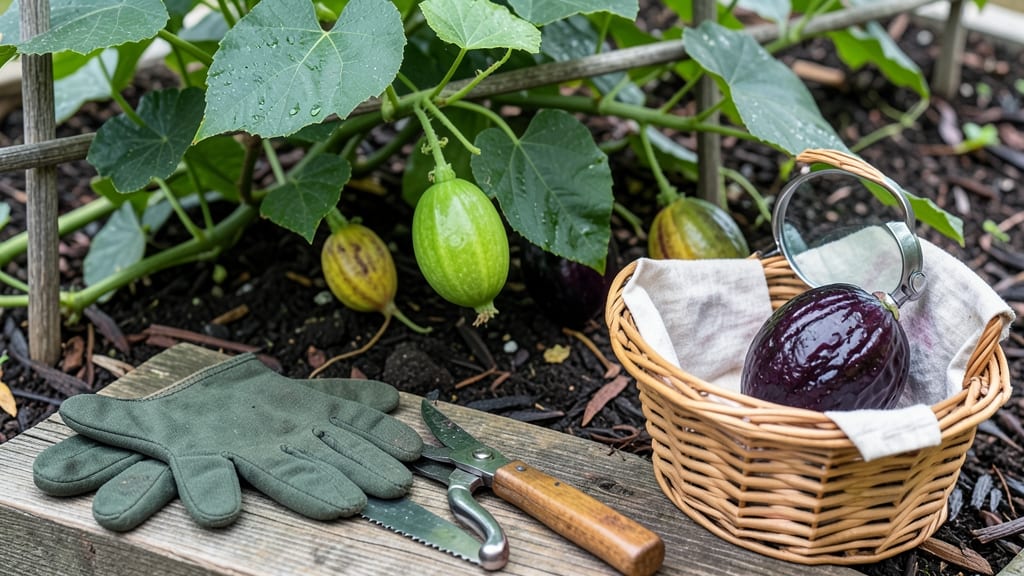
Picking a ripe passion fruit 🍈 at the perfect moment means the difference between a burst of sweet-tart flavor and a bland, mealy disappointment.
The trick isn't just waiting for it to change color—it's about using your hands and eyes to spot three key signs that tell you it's time to harvest.
I've learned the hard way that color alone isn't enough—some passion fruits stay green well past their prime while others turn purple before they're truly ready. What you really need are tactile clues: a slight give when you press, a heavier-than-expected weight, and that unmistakable aroma wafting from the stem.
These simple checks will help you avoid overripe fruit that's too soft or underripe fruit that's still tart and firm.
Whether you're growing passion fruit in USDA zones 10-11 or experimenting with containers in warmer climates, mastering these tricks will give you a consistent harvest of juicy, flavorful fruit.
Let me show you exactly how to test for ripeness without cutting into your harvest—so you can enjoy that perfect balance of sweetness and tang every single time.
From the gentle pressure test to the telltale scent, you'll discover the most reliable ways to pick passion fruit at its peak. No more guesswork—just delicious, perfectly ripe fruit straight from your garden.
3 Key tactile signs a passion fruit is perfectly ripe
Passion fruit ripeness isn’t just about color—it’s about what you feel and see when you handle the fruit. Unlike many fruits that rely solely on color, passion fruit uses a combination of skin texture, weight, and stem changes to signal peak ripeness.
Ignoring these tactile cues can lead to mealy pulp or overly bitter flavors, so let’s dive into the three most reliable signs.
First, the skin texture shifts dramatically as passion fruit matures. When ripe, the skin should feel slightly wrinkled or leathery rather than smooth. This texture change indicates the fruit’s sugars have fully developed.
For yellow varieties, the skin will also take on a matte finish, while purple varieties develop a dull, velvety appearance. Avoid fruits with shiny or overly glossy skins—they’re often underripe.
Next, pay attention to the weight of the fruit. A ripe passion fruit feels heavy for its size because the pulp is dense with flavorful juice. Gently shake the fruit near your ear—if it sounds solid and heavy, it’s ready to harvest.
In contrast, an underripe fruit will feel light and hollow, while an overripe one may feel squishy or mushy. This simple test saves you from cutting into fruit that’s past its prime.
Finally, examine the stem end of the fruit. As passion fruit ripens, the stem will dry out and turn brown, almost like a paper-like cap. If the stem is still green or firm, the fruit needs more time on the vine.
This drying process is your final confirmation that the fruit’s sugars have fully developed, ensuring that sweet-tart flavor you love.
🌱 Pro Tip: Combine all three signs for the most accurate ripeness assessment. A fruit that’s wrinkled, heavy, and has a browned stem is guaranteed to deliver the best flavor.
| Ripeness Sign | Ripe Passion Fruit | Underripe Passion Fruit | Overripe Passion Fruit |
|---|---|---|---|
| Skin Texture | Wrinkled, leathery, matte | Smooth, glossy, firm | Soft, squishy, wrinkled |
| Weight | Heavy for size, solid | Light, hollow-sounding | Very heavy, mushy |
| Stem End | Brown, dry, papery | Green, firm, moist | Blackened, rotting |
| Color | Fully yellow/purple/orange | Partially green, dull | Darkened, uneven |
🍈 Visual Cue: Always check all three signs together!
If you’re growing yellow passion fruit varieties, like Passiflora edulis, focus on a deep golden hue combined with the tactile signs above. For purple varieties, such as Passiflora edulis f. flavicarpa, the skin will turn a rich, deep purple when ripe.
Remember, color alone isn’t enough—always pair it with the texture and weight tests for accuracy.
One common mistake gardeners make is harvesting passion fruit based solely on color changes. A fruit might look ripe but still feel hard and hollow inside, meaning it’s not ready. Conversely, a fruit that’s too soft or mushy has likely overripe and developed mealy pulp.
By mastering these three tactile signs, you’ll avoid these pitfalls and enjoy passion fruit at its peak flavor.
For container gardeners, these signs are especially important because limited space means fewer chances to harvest incorrectly. If your passion fruit vine is growing in a 5-gallon pot or larger, monitor the fruit closely—it ripens faster in confined spaces due to increased heat retention.
Check for ripeness every 2-3 days once the fruit starts changing color to catch the perfect moment.
Once you’ve identified a ripe passion fruit, harvest it by twisting gently until it separates from the vine. If it doesn’t come off easily, it’s not ready yet.
Store ripe passion fruit in a cool, dry place (like a paper bag) for up to a week, or refrigerate for longer storage. But remember, the best flavor comes from eating it fresh off the vine!
🌿 Final Tip: If you’re unsure about ripeness, go for the fruit that’s slightly underripe—it’ll ripen at room temperature in 24-48 hours while retaining its best texture and flavor.
3 Key tactile signs a passion fruit is perfectly ripe
Passion fruit ripeness isn’t just about color—it’s about feel. The three most reliable tactile signs are skin texture, weight, and stem changes. When these cues align, you’re just days away from peak flavor.
For example, a yellow passion fruit should feel slightly waxy, while a purple variety will have a velvety, almost leathery surface.
Start by examining the skin texture. Ripe passion fruit skin should yield slightly when pressed with your thumb—like a ripe peach. If it feels rock-hard, it’s underripe; if it’s mushy, it’s overripe. This gentle give indicates the pulp inside is juicy and flavorful, not mealy or bitter.
Weight matters too. A ripe passion fruit feels heavy for its size because the pulp is dense with juice. Shake it gently—if it sounds hollow, it’s not ready. This weight check works especially well for purple passion fruit, which can trick you with its deep color even when unripe.
| Sign | Ripe Passion Fruit | Unripe Passion Fruit |
|---|---|---|
| Skin Texture | Slightly waxy or velvety; yields under gentle pressure | Hard and firm; no give when pressed |
| Weight | Feels heavy for its size | Light or hollow when shaken |
| Stem End | Dries out or turns brown | Green and firm; doesn’t detach easily |
| Color (Yellow Variety) | Deep golden-yellow with slight blush | Pale green or patchy |
| Color (Purple Variety) | Rich purple with no green patches | Green or partially purple |
Don’t overlook the stem end. A ripe passion fruit’s stem will dry out or turn brown, signaling the fruit is ready to detach. Twist gently—if it separates cleanly with slight resistance, it’s perfect.
If it resists completely, wait a few days. This stem check is your final confirmation before harvesting.
Pro tip: Combine these three tactile tests for accuracy. For instance, a purple passion fruit with velvety skin, heavy weight, and a brown stem is guaranteed to be ripe. Ignoring even one cue can lead to disappointment—like biting into a mealy pulp or a bitter skin.
Mastering these signs ensures you’ll harvest at peak ripeness, whether you’re growing passion fruit in containers or a full tropical garden. The key is patience—wait for all three cues to align before picking.