
How To
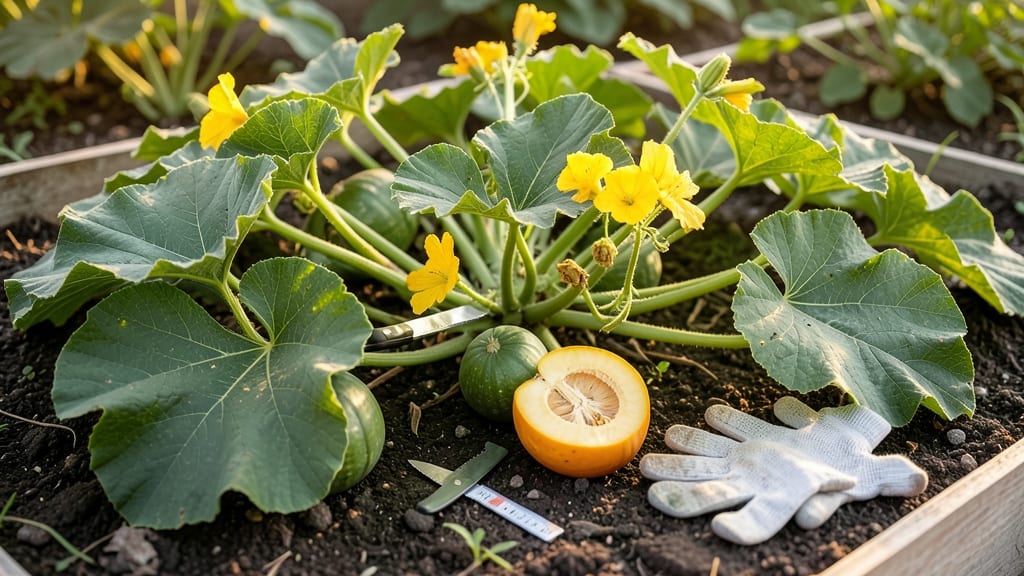
How to know when to pick acorn squash is the difference between a sweet, nutty harvest and a tough, watery disappointment. If you've ever wondered why your squash didn't live up to expectations, the answer likely lies in timing—something you can master with just a few simple checks.
I've learned that the right moment comes when the skin turns a deep, matte color and the stem begins to dry out. These visual cues, combined with a gentle tap test, reveal whether your squash is ready for harvest or still needs time on the vine.
Missing these signs can mean sacrificing flavor, so let me show you exactly what to look for.
From checking skin firmness to assessing weight, I'll walk you through the most reliable methods to determine peak ripeness. Whether you're growing acorn squash in USDA Zone 6a or another region, these tips will help you harvest at the perfect moment—just in time for that cozy fall meal.
Once you master these techniques, you'll never second-guess your harvest again. Let's dive into the simple, foolproof ways to ensure your acorn squash is at its sweetest and most flavorful when you bring it inside.
3 Color and texture signs your acorn squash is ready for harvest
Acorn squash reaches its peak sweetness when it’s fully mature—but missing the window means bland or tough flesh. The key lies in three visual and tactile cues: rind color, stem condition, and skin firmness. Master these signs, and you’ll harvest squash with rich, nutty flavor every time.
First, focus on the rind color. Unlike butternut squash, acorn squash develops a deep, consistent hue—typically a mix of green, orange, or tan—when ripe. Uneven patches or pale spots mean it needs more time on the vine.
Pro tip: Check the underside of the squash, where color changes are most visible.
Next, examine the stem. A ripe acorn squash will have a dry, brown, and slightly shriveled stem. If the stem is still green and firm, the squash isn’t ready yet. Wait another 7–10 days for full maturity. This is your best non-destructive clue—no cutting required!
The skin firmness test is your final check. Press your fingernail into the squash’s skin: if it doesn’t dent easily, it’s ready. A soft spot means it needs 1–2 more weeks on the vine. This test works best on the side of the squash, away from the stem.
Don’t overlook weight as a clue. A ripe acorn squash feels surprisingly heavy for its size due to concentrated sugars. Lift it gently—if it feels light, it’s not fully matured. This is especially true for smaller varieties, which can trick you with their compact size.
Regional climate adjustments matter too. In cooler zones (USDA 3–5), squash may ripen slower—watch for frost warnings and harvest 2–3 days early if needed. In hotter climates (USDA 8–10), squash can overripe quickly; pick when the stem just starts to brown.
One common mistake? Ignoring the underside color. The stem-end often stays green longer, while the opposite side develops full color first. Flip your squash to check for consistency. Pro growers even use a flashlight at dusk to inspect color in low light.
Once you’ve confirmed ripeness, harvest on a dry morning to let squash cure properly. Store in a cool, dark place (50–55°F) for up to 3 months. Overripe squash? No problem—roast it immediately for caramelized sweetness!
Now you’re ready to spot perfection like a pro. Grab your pruners, and enjoy squash so sweet, it’ll make your garden neighbors jealous. Happy harvesting! 🎃
3 Color and texture signs your acorn squash is ready for harvest
Acorn squash reaches its peak flavor when harvested at the right moment—but missing these visual cues can leave you with bland or tough squash. The key lies in three simple checks: rind color, stem condition, and skin firmness.
Master these, and you’ll never guess again whether your squash is ready.
Start with the rind color. A fully ripe acorn squash should display a deep, matte green or golden hue, depending on the variety. Avoid picking if the skin still looks pale or has uneven patches.
For example, the classic ‘Table Queen’ variety turns a rich golden-orange when ready, while heirloom types may stay green but develop a dull, leathery texture.
The stem is your second clue. A ripe acorn squash will have a dry, brown stem that’s slightly shriveled. If the stem remains green and plump, the squash needs more time.
Gently tug on the stem—if it pulls away easily, the squash is overripe. A firm attachment means it’s still on the vine too long.
Finally, test the skin firmness with your fingernail. Press lightly—if it leaves a dent, the squash isn’t ready. A ripe acorn squash should feel rock-hard and resist any pressure. This hardness indicates the seeds are fully formed and the flesh is sweetest.
| Sign | Unripe (Not Ready) | Ripe (Ready to Pick) |
|---|---|---|
| Rind Color | Pale, glossy, or uneven 🟢 | Deep, matte green/gold 🟤 |
| Stem Condition | Green, firm, and fresh 🌿 | Dry, brown, and shriveled 🍂 |
| Skin Firmness | Soft, dents easily with fingernail | Hard, resists fingernail pressure |
| Weight | Light for its size | Heavy and dense |
Don’t overlook the weight of the squash—a ripe acorn squash feels surprisingly heavy for its size. This happens because the seeds and flesh are fully developed. Hold it in your hands: if it feels light and hollow-sounding, it’s not ready yet.
Pro tip: Harvest on a dry morning after the dew has evaporated. This reduces the risk of fungal issues and makes it easier to spot the matte finish of a ripe squash.
Store your freshly picked squash in a cool, dark place for up to 3 months—just avoid refrigeration until you’re ready to use it.
Now that you’ve spotted the perfect squash, resist the urge to cut it open immediately. Let it cure for 1-2 weeks in a warm, dry spot to develop even sweeter flavors. Happy harvesting! 🎃