
How To
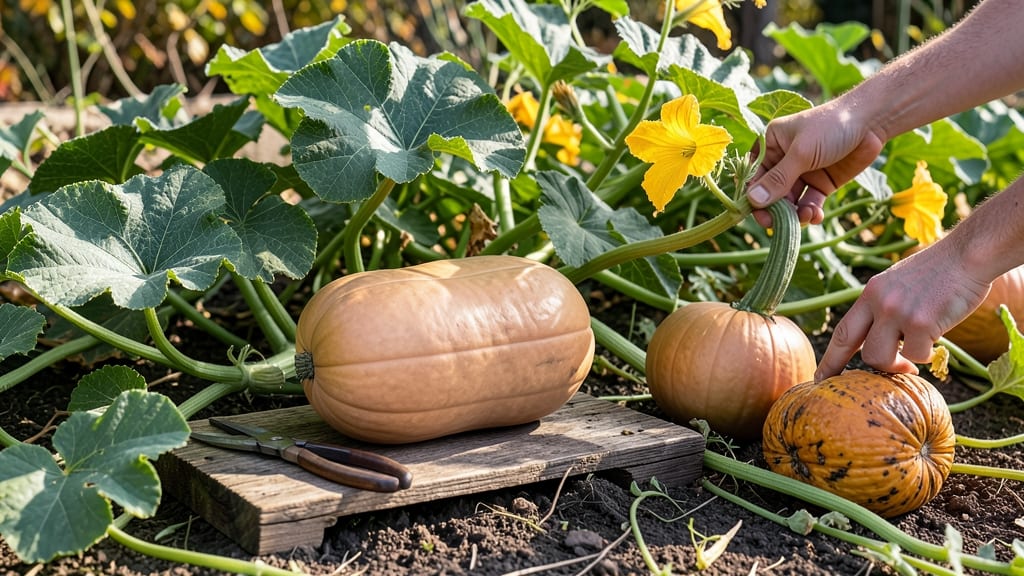
How to know when to harvest butternut squash can mean the difference between sweet, nutty perfection and a bland, watery disappointment. The right timing isn't just about waiting until late fall—it's about spotting three key visual cues that tell you the moment is perfect.
If you've ever wondered why some squash tastes like autumn magic while others fall flat, the answer lies in understanding these unmistakable signs of ripeness.
I'll show you how to check your plants without damaging them, so you can confidently pick at the absolute peak of flavor—just in time for those first chilly mornings in Zone 6a.
Most gardeners miss the window because they focus on days since planting rather than the plant's actual signals. That's why I'm sharing my foolproof method for testing maturity—no guesswork, just science-backed techniques that work every time.
By the end of this guide, you'll know exactly when to reach for your pruners and how to store your harvest for months of delicious meals. Let's make sure your butternut squash shines this season!
3 Visual cues to harvest butternut squash at peak ripeness
Harvesting butternut squash at the perfect moment transforms your garden into a treasure trove of sweet, nutty flavor. Unlike some squash varieties, butternut squash doesn’t ripen further after picking—so timing is everything.
I’ve learned that three key visual cues will tell you exactly when to harvest for that ideal balance of tenderness and sweetness.
First, pay attention to the skin color. When fully ripe, butternut squash transitions from a vibrant green to a rich tan or beige hue. This color change signals that the sugars inside have fully developed. However, don’t rely solely on color—some varieties may stay slightly green even when ripe.
Next, check the stem condition. A ripe butternut squash will have a dry, brown, and slightly woody stem where it meets the fruit. If the stem is still green and pliable, your squash needs more time on the vine.
This is a critical sign because a green stem often means the fruit is still maturing.
Finally, test the rind firmness by pressing your fingernail into the skin. If it resists puncture and feels hard, your squash is ready. A soft or yielding rind means it’s too early. This simple test saves you from harvesting prematurely or waiting too long.
- 1. Skin Color: Tan or beige (not bright green)
- 2. Stem Condition: Dry, brown, and woody
- 3. Rind Firmness: Hard enough to resist fingernail puncture
I once harvested a butternut squash too early because I ignored the stem condition. The skin was tan, but the stem was still green. The result? A watery, bland squash that tasted nothing like the sweet, velvety perfection I’d hoped for.
Don’t make the same mistake—I now double-check all three cues before harvesting.
Another trick I’ve picked up is to harvest in the morning when the squash is cool and firm. This reduces bruising and ensures you’re getting the freshest possible flavor. Plus, morning harvests give you the whole day to cure and store your squash properly before cooking.
If you’re growing butternut squash in a cooler climate, keep an eye on the first frost date. Squash won’t survive freezing temperatures, so harvest at least 10-14 days before the first expected frost to ensure you don’t lose your crop.
This is especially important in regions where frost arrives early.
For those growing butternut squash in containers or small spaces, the same visual cues apply. Just be extra vigilant about checking the rind firmness, as container-grown squash can sometimes mature unevenly. A firm rind is your best guarantee of a delicious harvest, no matter where your plants are growing.
Once you’ve confirmed all three signs, it’s time to harvest. Use a sharp knife or pruners to cut the squash from the vine, leaving about 1-2 inches of stem attached. This helps the squash cure properly and last longer in storage.
After harvesting, let your squash cure in a warm, dry place for about 10 days to enhance its flavor and shelf life.
Remember, the key to harvesting butternut squash is patience. Rushing the process can leave you with a squash that’s far from its flavor potential. By mastering these three visual cues, you’ll consistently harvest squash that’s sweet, nutty, and ready to impress at your dinner table.
3 Visual cues to harvest butternut squash at peak ripeness
Harvesting butternut squash at the perfect moment transforms your garden bounty into sweet, flavorful perfection. The key lies in watching for these 3 visual cues that signal maturity.
Ignoring them risks harvesting too early (mealy texture) or too late (overripe and stringy). Let’s break down each clue so you’ll never guess again.
First, focus on the skin color. When fully ripe, butternut squash transitions from green to a dull tan or beige hue. The color change starts at the blossom end and spreads outward.
If the skin still has green patches, wait a few more days—this is your first clear sign of readiness.
Next, examine the stem. A ripe butternut squash will have a dry, woody stem that’s brown and easily detaches from the fruit. If the stem remains green and pliable, the squash needs more time to mature. This is nature’s way of telling you to be patient.
Finally, check the rind firmness. Press your fingernail into the skin—if it doesn’t puncture easily, the squash is ready. A soft or yielding rind means it’s still maturing. This test is foolproof and ensures you’re harvesting at peak flavor.
Don’t overlook the fruit’s weight—a ripe butternut squash feels surprisingly heavy for its size. This density indicates full maturation and optimal flavor. Lift a few candidates to compare weights; the heaviest is your best bet for harvest.
Timing matters too. In USDA Zone 6a, aim to harvest between mid-October and November, before the first frost. Cold temperatures can damage the skin and reduce storage life. If frost threatens early, harvest sooner—even if the squash isn’t fully mature, it’ll still improve in flavor after curing.
Once you’ve confirmed all signs, grab your pruners and harvest with confidence. The reward? Squash so sweet and tender, it’ll make you a neighborhood gardening hero. 🎃