
How To
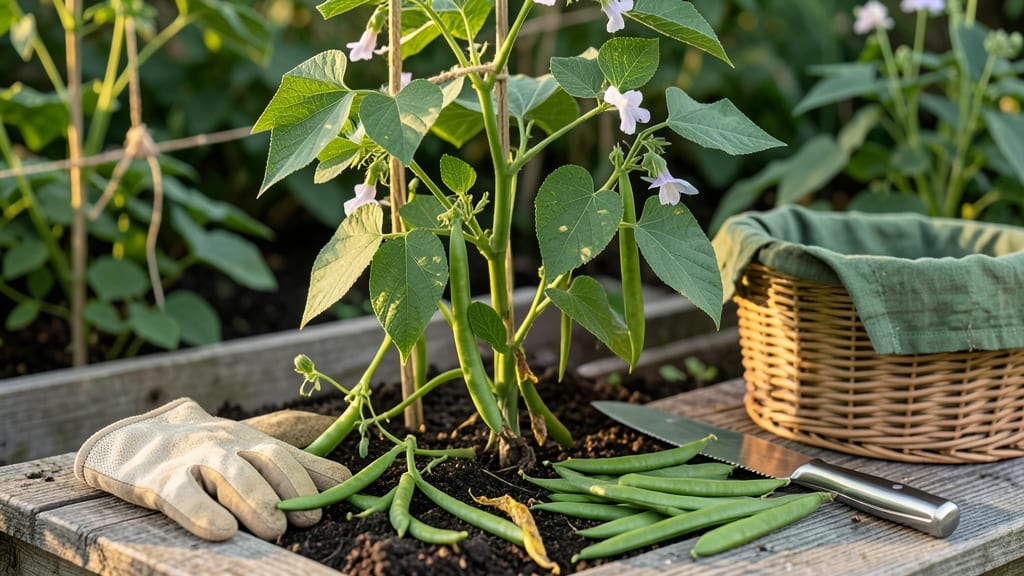
How to know when beans are ready to harvest can mean the difference between crisp, flavorful pods and tough, stringy disappointments. The right timing isn't just about waiting until they're big enough—it's about catching that perfect moment when texture and taste peak together.
Most gardeners miss the window because they focus only on size, but the real key lies in combining visual cues with a simple tactile test. I'll show you how to spot the three must-know signs that your beans are ready—no guesswork required.
Whether you're growing bush beans or pole varieties, these tricks work every time.
Harvesting too early means bland, underdeveloped pods, while waiting too long turns them into leathery sticks. The good news? With just a few seconds of inspection, you can tell when your plants are begging to be picked.
Let's break down the exact method that's saved my green bean harvests year after year.
You'll discover how to check for the ideal pod length, firmness, and even a little-known twist test that reveals ripeness beyond what you can see. By the end, you'll never second-guess when to reach for those scissors again—just picture the perfect dinner table moment waiting for you.
The 3 key visual signs your green beans are harvest-ready
Mastering the art of harvest timing transforms your green beans from tough and bland to crisp, sweet perfection. The secret lies in three simple visual cues that tell you exactly when to pick.
These signs apply to most green bean varieties, including bush beans and pole beans, ensuring you never miss the peak flavor window.
First, focus on pod size—this is your most reliable indicator. When pods consistently reach 4 to 6 inches long, they're primed for harvest. Smaller pods (3 inches or less) are still developing, while oversized pods (>6 inches) become woody and fibrous.
Think of this as the "golden rule" of green bean harvesting.
Next, examine the color uniformity. Ready-to-harvest pods should be a vibrant, even green throughout. Look for a glossy sheen that signals freshness. Uneven coloring or yellowing tips mean the pod is past its prime, and the flavor will suffer.
This visual cue works best in bright daylight, so plan your harvest for morning hours.
Finally, check the pod texture by giving it a gentle squeeze. At peak ripeness, pods should feel firm yet tender, almost snapping when bent slightly. If they feel soft or mushy, they're overripe.
Conversely, hard or waxy pods haven't reached maturity yet. This tactile test is especially useful for wax beans, which develop a subtle bloom when ready.
Green Bean Harvest Readiness Comparison
| Sign | Not Ready (<3") | Perfectly Ready (4-6") | Overripe (>6") |
|---|---|---|---|
| Pod Size | Short, underdeveloped | 4-6 inches, full-sized | Long, woody, >6" |
| Color | Pale or uneven | Vibrant green, glossy | Yellowing or dull |
| Texture | Soft, mushy | Firm yet tender, snaps easily | Hard, leathery |
| Seed Visibility | Not visible | Visible but small | Large, prominent |
| Flavor Promise | Bland, starchy | Sweet, crisp | Bitter, tough |
🌱 Pro Tip: Harvest every 2-3 days to maintain peak readiness across your entire plant.
For pole beans, which produce continuously, focus on the youngest pods near the top of the plant. These grow faster and are often the first to reach harvest size.
Meanwhile, bush beans produce all their pods at once, so you'll need to harvest more frequently (every 2 days) to keep the plant productive.
One common mistake is relying solely on pod length. While size is important, texture and color are equally critical. For example, flat pods (like Romano beans) should be harvested when they're 3-4 inches long, while round pods (like Blue Lake beans) need that full 4-6 inch length.
Always check all three cues together for the most accurate assessment.
Pay special attention to the pod seams. When ready, the seams should be slightly raised but not bulging. Bulging seams indicate the pod is overripe and the seeds are expanding. This is especially important for snap beans, where the pod itself is the edible part.
If you see seeds pressing against the pod walls, it's time to harvest—before they start developing their own hard shells.
Finally, remember that harvest timing affects flavor. Beans picked at the right moment contain more natural sugars and fewer starches, resulting in that crisp texture
The 3 key visual signs your green beans are harvest-ready
Timing your green bean harvest is all about catching those pods at their peak—when they're crisp, tender, and bursting with flavor. The difference between a perfect pod and a tough, stringy mess often comes down to these three visual cues that tell you it's time to pick.
Let's break down what to look for so you never miss the window.
First, focus on pod size—this is your most reliable indicator. Most green bean varieties reach their ideal harvest length between 4 to 6 inches. If your pods are shorter than 3 inches, they're still growing and won't have developed their full sweetness.
On the flip side, pods longer than 6 inches start to toughen up, making them less enjoyable to eat.
Next, examine the color and shine of the pods. Ready-to-harvest beans should be a vibrant, uniform green with a slight glossiness. If the color is pale, uneven, or dull, the beans are either underripe or stressed.
This is especially true for varieties like Blue Lake or Roma, where color consistency is key.
| Sign | Ready Beans | Not Ready Beans |
|---|---|---|
| Pod Size | 4-6 inches | <3 inches |
| Color | Vibrant green | Pale/dull |
| Texture | Firm & crisp | Soft/mushy |
| Seeds | Visible but small | Large & prominent |
Don't overlook the seeds inside the pod—this is a pro tip that makes all the difference. When your beans are ready to harvest, the seeds should be visible through the pod wall but still small.
If you can see large, fully formed seeds, the beans have passed their prime and will be stringy or tough. For varieties like flat green beans, this seed check is especially important.
Pro tip: Check your beans in the morning after a light dew. The pods will be at their crispest and most flavorful, making it easier to spot those perfect visual cues.
This is also the best time to harvest because the pods are fully hydrated, which enhances their texture and taste.
Finally, pay attention to the overall plant health. If your bean plants are producing pods rapidly but they're consistently underripe, it might be time to adjust your watering or fertilizing routine.
Healthy plants yield better-quality beans, so keep an eye on both the pods and the foliage for signs of stress or disease.
Mastering these three visual signs will ensure you're always harvesting at the perfect moment—when your green beans are crisp, tender, and packed with flavor. 🌿