
How To
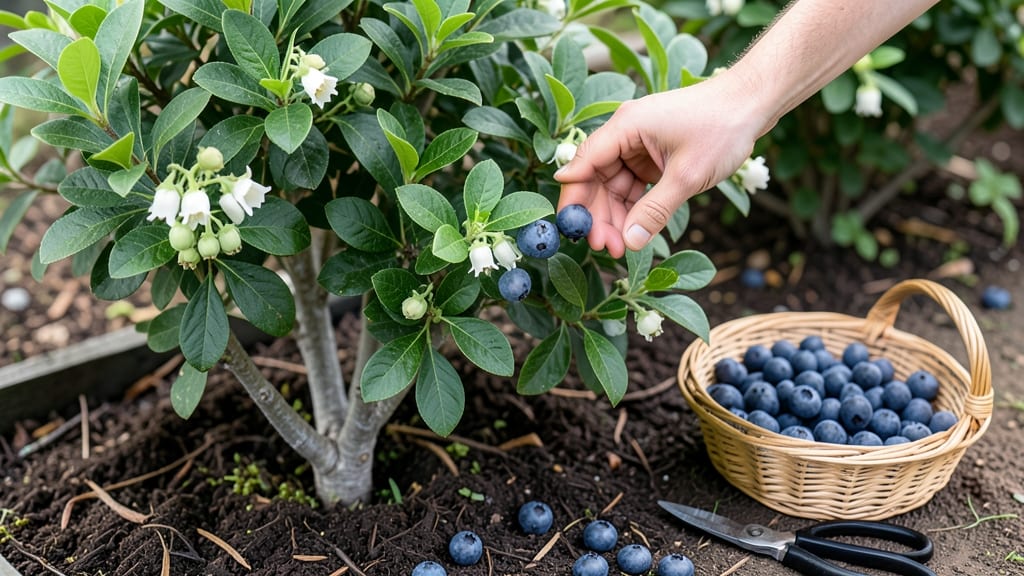
5 Key signs blueberries are fully ripe and ready to harvest
Timing your blueberry harvest correctly transforms your garden into a sweet treasure trove instead of a sour disappointment. The difference between peak ripeness and underripe or overripe berries lies in these five foolproof indicators—each one a clue from nature that your blueberries are begging to be picked.
First, focus on color consistency. Ripe blueberries turn a deep, uniform blue—not purple or red. Some varieties like 'Bluecrop' or 'Jersey' may have a slight bloom or sheen, while others like 'Rabbiteye' stay matte.
A mix of colors? Wait a few days—uneven ripening is normal, but you’ll miss the sweetest berries if you pick too early.
No red or purple hues—fully blue means ripe!
Gently squeeze—ripe berries yield slightly, not mushy.
Twist gently—ripe berries pop off with minimal force.
Berries should be similar in size—no tiny or shriveled ones.
Ripe berries emit a faint, sweet fragrance when crushed.
Next, test firmness with a gentle touch. Ripe blueberries should feel slightly soft but not mushy—think of a plump grape rather than a water balloon.
Press a berry between your thumb and forefinger: if it gives way easily but doesn’t squish, it’s ready. Hard berries need more time, while mushy ones are past their prime.
Here’s a pro tip: Check the stem. A ripe blueberry’s stem should detach cleanly with minimal force. Grab a berry and twist gently—if it pops off without resistance, it’s ready.
If the stem breaks or requires tugging, wait 1-2 more days. This trick saves you from underripe or overripe mistakes every time.
Don’t overlook size consistency. Ripe blueberries in a cluster should be uniform in size, with no tiny or shriveled ones mixed in.
Varieties like 'Duke' or 'Chippewa' produce larger berries, while 'Top Hat' yields smaller but equally sweet ones. Pick clusters where most berries meet these size standards—you can always leave a few behind to ripen further.
Finally, trust your nose and taste buds. Crush a berry between your fingers—ripe ones release a sweet, floral aroma. For the ultimate test, taste one (yes, really!). A ripe blueberry should burst with juicy sweetness and a tart tang.
If it tastes sour or mealy, it’s not ready yet. This sensory check is your final green light to harvest.
One last warning: Birds and pests love ripe blueberries too.
If you see flocks of birds swooping in or squirrels nibbling, your berries are likely ripe—and you’re running out of time. Harvest in the morning when berries are cool and firmest, and cover plants with netting if wildlife is a problem.
Master these five signs, and you’ll never miss peak ripeness again. Your blueberry bushes will thank you with sweet, juicy rewards for years to come. 🫐
How to test blueberry ripeness without picking: the firmness and taste method
Before you harvest an entire cluster, test a few berries to confirm ripeness—this simple two-step method saves time and frustration. Start by gently squeezing a blueberry between your thumb and forefinger. A ripe berry will yield slightly to pressure but won’t feel mushy or squishy like an overripe one.
Next, perform the stem detachment test: Grasp the berry and give it a gentle tug. If it separates cleanly from the stem, it’s ready to pick.
If it resists or the stem snaps off with the berry still attached, it’s not ripe yet. This test is foolproof for avoiding underripe or overripe berries.
For the ultimate test, take a small taste sample—yes, you should bite one! A ripe blueberry should burst with sweet, tangy flavor and juiciness. If it tastes bland or overly tart, it’s not fully ripe.
This method works best for southern highbush varieties, which ripen earlier than northern varieties.
Timing matters too: Test berries in the morning after dew dries (around 9–10 AM) for the most accurate results. Early-morning berries are cooler, firmer, and less prone to overripening. Avoid testing after a hot day, as heat can make berries soften prematurely.
Pro tip: Use a small container to collect test samples—this keeps your hands clean and helps track ripening progress across the bush. If 70% of the berries pass all three tests (squeeze, stem, and taste), it’s time to harvest the entire cluster!
Remember, patience pays off—waiting for peak ripeness ensures the best flavor and texture. Overripe berries may look blue but will be mealy and lack sweetness, while underripe ones won’t develop their full potential. Now grab your basket and enjoy the harvest! 🫐