
How To
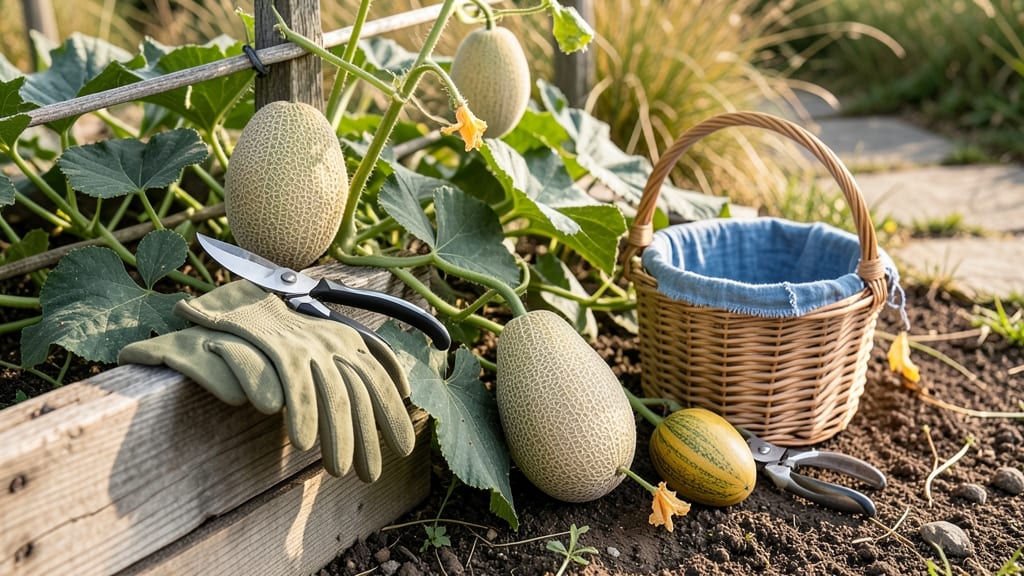
5 Unmistakable signs your cantaloupe is ready to harvest
Cantaloupe ripens quickly, so timing your harvest is everything. The 5 key signs below will help you avoid picking too early or too late—both of which ruin flavor. Start by checking these visual and tactile cues at least every 2-3 days as your melons near maturity.
First, look for a color shift on the rind. A ripe cantaloupe’s skin turns from dull green to a creamy beige or tan, especially near the stem. This change signals the fruit’s sugars have peaked. Don’t wait for the entire melon to turn—this often means it’s overripe and seedy.
Next, examine the stem attachment. When ripe, the stem near the fruit will feel dry and papery, and it should slip easily from the vine with gentle pressure. If it resists, the melon needs more time. This is nature’s way of telling you it’s ready to detach.
The underside of the melon holds another clue: look for a net-like pattern that turns from white to golden-beige. This is called the "blush," and it’s a foolproof indicator of ripeness. The more pronounced the blush, the sweeter the fruit.
Now, use your thumb for a firmness test. Press gently near the stem—ripe cantaloupe will feel slightly soft but not mushy. If it’s rock-hard, it’s underripe; if it’s mushy, it’s past its prime. This test works best when the melon is still on the vine.
Finally, trust your nose. A ripe cantaloupe releases a sweet, musky aroma near the stem end. If you sniff and detect nothing, the fruit isn’t ready yet. This scent is your final green light to harvest.
- 1. Creamy beige rind near the stem (not fully tan yet).
- 2. Stem slips easily when gently pulled from the vine.
- 3. Golden-beige "blush" on the underside of the melon.
- 4. Slightly soft when pressed near the stem (not mushy).
- 5. Sweet, musky scent at the stem end.
If your cantaloupe checks all these boxes, it’s time to pick! Use a sharp knife or pruners to cut the stem, leaving a 1-inch stem attached to the fruit. This helps preserve freshness. Avoid twisting or pulling, which can bruise the melon.
Harvesting at the right time ensures peak sweetness and texture. Overripe cantaloupe becomes seedy and watery, while underripe fruit lacks flavor. These signs work for both vine-ripened and greenhouse-grown cantaloupe, so you’ll never miss the window again.
Once picked, store cantaloupe at room temperature until fully ripe (if not already). After ripening, refrigerate for up to 5 days to extend freshness. The effort pays off with melons that burst with flavor!
🌱
The nose test, thumb test, and other pro tricks for perfect cantaloupe
When your cantaloupe looks close to ripe but you're not sure, advanced ripeness tests like the nose test and thumb test can confirm readiness without guessing. These professional techniques go beyond basic color checks to ensure you harvest at peak sweetness—never too early or overripe.
Start with the nose test, the most reliable trick for cantaloupe ripeness. A ripe cantaloupe releases a strong, sweet, musky aroma near the stem. If you smell nothing or just a faint scent, it needs more time on the vine.
This test works best on warm, sunny days when natural fragrances are strongest.
Next, use the thumb test to check firmness. Press gently near the stem—ripe cantaloupe should feel slightly soft (like a ripe avocado) but not mushy. If it feels rock-hard or bounces back, it’s underripe. Overripe melons will feel too soft or even dent under pressure.
Don’t overlook the stem test: A ripe cantaloupe’s stem will slip easily from the vine when gently twisted. If it resists, the melon isn’t ready. This physical separation is a foolproof sign of ripeness, especially when combined with the other tests.
For an extra pro trick, check the seed color. Cut a small slice near the stem—ripe cantaloupe seeds should be deep brown with a sweet, jelly-like center. Pale or white seeds mean it’s not fully ripe yet.
Pro Tricks for Perfect Cantaloupe
✅ DO These Tests
- Nose Test: Strong sweet scent near stem
- Thumb Test: Slight softness near stem
- Stem Test: Slips easily from vine
- Seed Check: Deep brown seeds with jelly
❌ Avoid These Mistakes
- Relying on size—big doesn’t mean ripe!
- Ignoring scent—a must for true ripeness
- Picking too hard—gentle pressure only
- Harvesting at night—scents are stronger in daylight
Pro tip: Combine all tests for 100% accuracy. A cantaloupe passing three or more of these checks is guaranteed ripe. If you’re still unsure, wait 24 hours—cantaloupes ripen quickly once they’re close!
Now that you’ve mastered these pro tricks, you’ll never miss the perfect cantaloupe again. Next, we’ll cover common mistakes that lead to picking too early or too late—so you can avoid those pitfalls like a seasoned gardener. 🍈