
How To
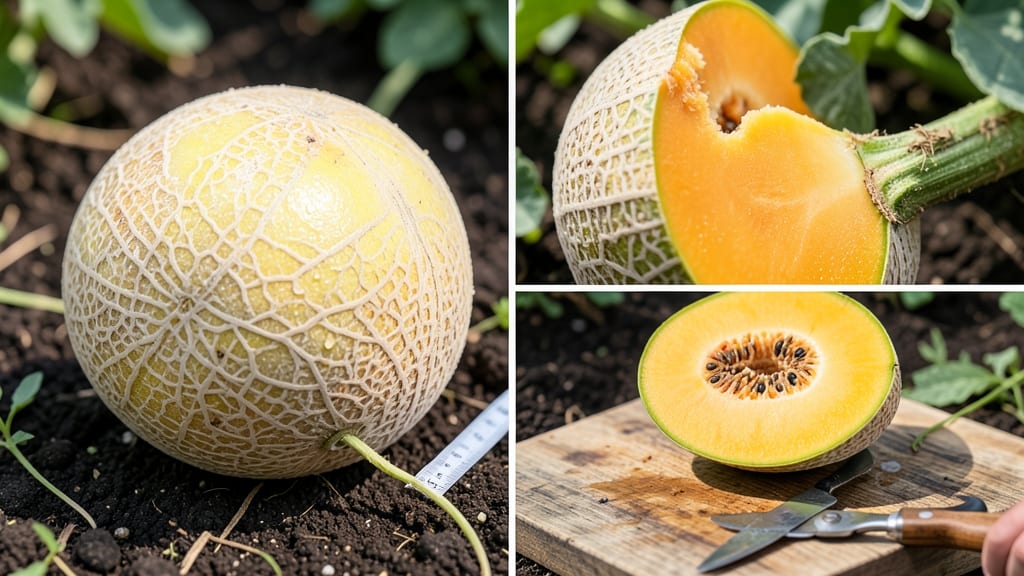
There’s nothing worse than lugging home a cantaloupe that’s either rock-hard or mushy—yet how to check for a ripe cantaloupe is easier than you think. With just three simple sensory tests, you’ll never second-guess your next melon again, whether you’re shopping at the store or harvesting from your own garden.
Most people rely on color alone, but that’s only part of the story. The real secrets lie in what you can’t see: the sweet, floral aroma near the stem and the subtle give when you press your thumbnail into the rind.
These clues tell you exactly when a 🍈 is ready to eat—or when it’s time to walk away.
If you’ve ever wondered why some cantaloupes taste bland or mealy, it’s likely because they weren’t ripe enough. I’ll show you how to spot the perfect one every time, plus what to do if yours isn’t quite there yet. No guesswork, just foolproof results.
Gardeners, take note: knowing these signs also means you can harvest your own cantaloupes at peak flavor. That’s the difference between a so-so slice and a juicy, sweet bite that makes summer worth waiting for.


3 Sensory tests to check cantaloupe ripeness (sight, smell, touch)
Cantaloupes are tricky—too soon, and they’re bland; too late, and they’re mushy. But by focusing on three key sensory tests, you can nail the perfect ripeness every time.
These methods work whether you’re shopping at the store or harvesting from your own garden. Let’s break down what to look, smell, and feel for.
First, visual cues are your best starting point. A ripe cantaloupe should have a creamy-yellow rind with distinct net-like patterns (those dark green lines). Avoid fruits with dull, greenish spots—they’re not ready yet. Pay extra attention to the blossom end (the flat side where the stem was attached).
Next, smell is non-negotiable. A ripe cantaloupe will have a sweet, musky aroma near the blossom end—almost like a mix of honey and fresh-cut grass. If it smells sour, fermented, or has no scent at all, it’s either overripe or underripe.
Pro tip: Give it a quick sniff before moving to the next test.
Finally, touch reveals the truth. Gently press your thumbnail into the rind near the blossom end. If it gives slightly (like a ripe avocado), it’s ready.
If it feels rock-hard, it’s underripe. But if it’s too soft or dented, it’s overripe. This test is foolproof for home gardeners!
- 1. Visual Check: Creamy-yellow rind with net-like patterns and a golden blossom end.
- 2. Scent Test: Sweet, musky aroma at the stem end (no sour or fermented smells!).
- 3. Thumbnail Press: Rind yields slightly when pressed near the blossom end.
For gardeners, harvest timing is everything. Cantaloupes typically ripen 75 days after planting, but heat and sunlight speed this up. If you’re growing your own, pick in the morning when the fruit is coolest. This preserves flavor and texture for transport or storage.
One common mistake? Trusting the stem. Some people think a detached stem means ripeness, but that’s a myth. The stem can fall off before the fruit is ripe. Always rely on the three sensory tests—they’re your best bet for a perfect cantaloupe every time.
Store-bought cantaloupes often trick shoppers with false labels. Some stores pick them too early for shelf life, so always double-check with your thumbnail test. If it’s firm, it’s not ready—don’t be fooled by the price tag!
Pro gardeners know that overripe cantaloupes can still be used in smoothies or baked goods, but nothing beats the sweetness of a perfectly ripe one. Now that you’ve mastered the tests, you’ll never waste money (or effort) on a subpar fruit again.
Ready to put this knowledge to work? Grab a cantaloupe from your garden or the store and test it yourself—your taste buds will thank you! 🌱
How to test cantaloupe ripeness without cutting it open (no knife needed)
Testing cantaloupe ripeness without slicing it open is easier than you think! Store-bought cantaloupes often look ripe but aren’t—skip the guesswork with these 3 no-knife tests that work every time.
Whether you’re shopping at the market or harvesting from your garden, these methods let you confirm ripeness in seconds without damaging the fruit.
The blossom end (the flat, tan-colored side where the stem attaches) holds the most clues. A ripe cantaloupe’s blossom end will separate slightly from the fruit when gently twisted—this means the vine has naturally released it.
If it doesn’t budge, the cantaloupe needs more time. For gardeners, this is your golden sign to harvest soon!
Next, try the thump test—tap the cantaloupe’s side with your knuckles. A ripe cantaloupe will sound hollow (like a drum) when fully ripe, while an underripe one sounds dull (like a thud).
Pro tip: Combine this with the weight test—ripe cantaloupes feel heavy for their size because they’re packed with juice and sweetness.
For gardeners, check the vine where the cantaloupe grew. If the stem near the fruit has dried up and separated, it’s time to harvest. Leave it on the vine too long, and the fruit will overripen, losing flavor and texture.
A quick vine inspection saves you from cutting into a mushy melon!
If you’re still unsure, sniff the blossom end—ripe cantaloupes smell sweet and musky, almost like a mix of honey and perfume. A sour or fermented smell means it’s overripe. For store-bought cantaloupes, this is the fastest way to confirm ripeness without opening it.
Store your cantaloupe at room temperature until fully ripe, then move it to the fridge to slow sugar breakdown. And if you’re growing your own? Harvest in the morning when sugars are highest for the sweetest flavor!