
Pests
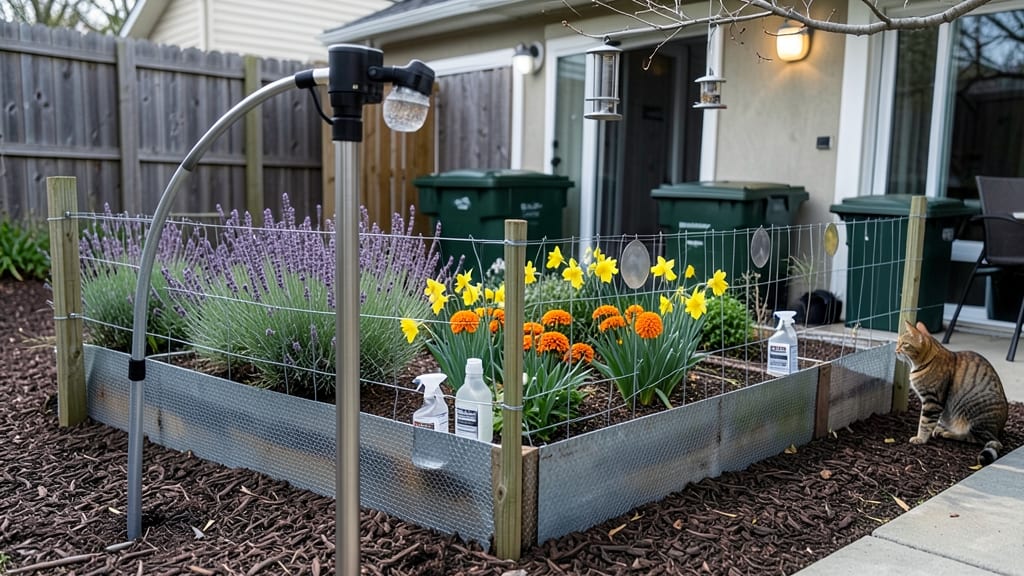
How to keep wildlife out of your yard without turning it into a fortress—or a war zone. 🌿 After years of losing prized plants to hungry deer, rabbits, and squirrels, I finally found barriers that actually work—without harming the critters or your garden’s balance.
The key is layering defenses: sturdy fencing, natural repellents, and smart plant placement. My go-to is a 3-foot-tall mesh fence for rabbits and 8-foot-tall for deer, paired with aromatic plants like lavender and marigolds that animals avoid. No chemicals, no cruelty—just practical solutions that keep your garden thriving.
By the end of this, you’ll have a yard that’s wildlife-resistant while still welcoming pollinators and beneficial insects. The best part? These methods work year-round, so you won’t lose another season’s harvest to hungry neighbors.
Whether you’re dealing with nibbled hostas or trampled flowers, these strategies adapt to any yard size or problem. Let’s get started with what actually stops wildlife in its tracks.
📚 In This Guide
- What you need
- Instructions
- Tips and common mistakes
- Wrapping up and next steps
What you need
- ● Hardware cloth or wire mesh: 1/4-inch or 1/2-inch galvanized steel mesh (at least 3–4 feet tall, depending on the wildlife). Quantity: Enough to cover vulnerable areas (e.g., 50 sq. ft. for a small garden, 100+ sq. ft. for larger zones).
- ● Stakes or posts: Galvanized or pressure-treated (2–4 inches in diameter, 2–3 feet long). Quantity: 1 stake every 2–3 feet along the perimeter.
- ● Heavy-duty zip ties or fencing staples: Galvanized or plastic-coated (resists rust). Quantity: 100+ for a small project.
- ● Gloves (heavy-duty): To protect hands from prickly plants or sharp tools.
- ● Measuring tape & level: For precise, straight installations.
- ○ Post-hole digger or auger: To bury stakes securely (optional but recommended for durability).
- ○ Concrete or gravel: To anchor stakes (optional but highly effective for squirrels/raccoons).
- ● Motion-activated sprinklers: Deters deer, rabbits, and rodents with a surprise spray. Pro tip: 💡 Place near entry points!
- ● Reflective tape or old CDs: Hang from fences to spook birds and small mammals.
- ● Ammonia-soaked rags: Place in mesh bags near problem areas (smell deters many pests).
- ● Decoys (fake predators): Owls, snakes, or coyotes—rotate them to keep wildlife guessing! 🦉
- ● Plant-based repellents: Crushed red pepper flakes or garlic spray (reapply after rain).
Step-by-Step instructions for creating effective wildlife barriers
Here's the method I've used for years to keep critters out without harming them or your landscape.
🪴 Step 1: Assess Problem Areas and Choose Barrier Types
Start by identifying where wildlife enters your yard—this is where most people fail. I like to walk the perimeter at dawn and dusk, noting where tracks, chewed plants, or disturbed soil appear. Common hotspots include garden beds, compost piles, and pet food storage areas. For burrowing animals like raccoons or rabbits, focus on fence lines and low-lying areas where they dig.
Choose barriers based on the wildlife you're dealing with. For ground-dwelling creatures, a 3-foot tall hardware cloth fence buried 12 inches deep works best. For tree-climbing animals like squirrels, use smooth metal or plastic sheeting wrapped around tree trunks. Remember, no barrier is 100% effective—think of these as deterrents, not impenetrable walls. The goal is to make your yard less appealing than the surrounding wild areas.
🌱 Step 2: Install Physical Barriers with Precision
For fencing, use 1-inch mesh hardware cloth (not chicken wire—it's too easy for critters to chew through). Bury the bottom edge 12 inches deep and extend it 6 inches above ground level to prevent digging underneath. I've learned the hard way that leaving gaps invites determined raccoons to climb over or dig under. Secure the fence with U-shaped metal stakes every 3 feet to prevent sagging.
When protecting garden beds, create a 3-foot wide barrier of crushed gravel around the perimeter. This creates an uncomfortable zone for burrowing animals while still allowing you to walk through. For tree trunks, wrap smooth plastic sheeting tightly around the base, extending 4 feet up to deter climbing squirrels. The smoother the surface, the harder it is for claws to grip. Check barriers monthly for gaps or damage, especially after storms.
☀️ Step 3: Use Motion-Activated Deterrents Strategically
Place motion-activated sprinklers near entry points and along fence lines. These work best when positioned 1-2 feet from the ground and set to activate with minimal movement. I've seen them scare off raccoons, skunks, and even determined opossums. For nocturnal animals, add solar-powered motion lights that flash when triggered—animals dislike sudden bright lights in dark areas.
Combine these with ultrasonic repellents for areas where animals gather, like under decks or near sheds. While effectiveness varies by species, I've found them particularly useful against rodents and smaller mammals. Place units 6-10 feet apart and keep them 3-4 feet off the ground for best coverage. The key is consistency—animals need to experience these deterrents repeatedly to learn to avoid your yard.
✂️ Step 4: Remove Attractants and Maintain Barriers
Wildlife comes for food, water, and shelter—so eliminate these incentives. Store trash in metal containers with locking lids and keep compost bins elevated and secured. I've seen raccoons open flimsy plastic bins in minutes. For pet food, use hanging feeders or bring bowls inside after meals. Even small amounts of spilled food can attract animals that become persistent visitors.
Regular maintenance is critical. Inspect barriers weekly for damage, especially after heavy rains or storms. Trim vegetation away from fence lines to remove climbing paths, and keep grass mowed to eliminate hiding spots. The more your yard looks like a well-maintained human space rather than a wild area, the less appealing it becomes to wildlife. This is where most people give up—consistency is what keeps animals out long-term.
🌿 Step 5: Implement Long-Term Monitoring and Adjustments
Keep a simple log of wildlife sightings, noting when and where they occur. This helps identify patterns and determine if certain barriers need reinforcement. For example, if you notice increased activity after putting out new bird feeders, add a tray below the feeder to catch fallen seeds and deter ground-feeding animals.
Seasonal adjustments are key. In spring and summer, focus on water sources—animals seek hydration, so eliminate standing water and keep birdbaths elevated. In fall, secure trash and compost more frequently as animals prepare for winter. The most successful yards aren't the ones with the fanciest barriers, but those where every element works together to create an unwelcoming environment for wildlife. Think of it as creating a fortress where animals would rather forage elsewhere.
Tips & tricks for effective wildlife barriers
These practical strategies will help you create wildlife barriers that actually work—without wasting time or money on ineffective solutions.
Target the Right Species: In Step 1, when identifying problem areas, pay close attention to the specific animals causing issues. Raccoons, for example, are drawn to unsecured trash and compost, while deer focus on garden paths. I’ve found that squirrels often target bird feeders and tree trunks. By tailoring your barriers to the animal’s behavior (like using ¼-inch mesh for rabbits in Step 2), you’ll see results faster. Don’t waste resources on generic solutions—focus on what’s actually entering your yard.
Layer Your Defense: The most effective systems combine multiple strategies. In Step 3, after securing food sources, I recommend adding motion-activated lights near high-traffic areas (like fence lines). This creates a psychological barrier—animals avoid unpredictable surprises. For example, raccoons will avoid areas where lights flash unexpectedly. Combine physical barriers (like hardware cloth) with deterrents (motion lights or sprinklers) for maximum effectiveness.
Seasonal Maintenance is Non-Negotiable: In Step 5, when inspecting barriers seasonally, I can’t stress enough how important this is. After spring rains, I’ve seen hardware cloth shift enough to create 2-inch gaps—perfect entry points for rabbits. Make it a habit to check barriers after heavy storms or seasonal changes. A quick 15-minute inspection can prevent weeks of frustration. Pro tip: Mark inspection dates on your calendar to stay consistent.
Food Security is Your Best Deterrent: Wildlife follows food, so Step 3’s focus on securing attractants is critical. I’ve seen raccoons raid trash cans within minutes of pickup day if left unsecured. For compost, consider moving bins to less accessible corners or using closed systems with tight lids. Even a few overripe apples under fruit trees can attract entire families of raccoons—harvest fallen fruit promptly to eliminate this draw.
Pro Tips for Keep Wildlife Out Of Your Yard
- These practical strategies will help you create wildlife barriers that actually work—without wasting time or money on ineffective solutions.
- Target the Right Species: In Step 1, when identifying problem areas, pay close attention to the specific animals causing issues.
- Layer Your Defense: The most effective systems combine multiple strategies.
Frequently asked questions
Got questions about keeping wildlife at bay? You’re not alone!
Here are some of the most common concerns—and practical answers—to help you create a yard that’s off-limits to critters.
What’s the best time of year to set up wildlife deterrents?
Spring and early summer are ideal! Animals are most active during nesting seasons (spring) and food-seeking phases (summer). Install barriers, secure trash bins, and trim brush before they become a problem. For persistent pests like raccoons or squirrels, act at the first sign of activity—don’t wait for damage to occur!
Are there humane ways to keep wildlife out without harming them?
Focus on exclusion (fences, mesh covers) and deterrents (motion-activated lights, ultrasonic devices). Avoid poison or traps—relocate animals safely if possible (check local laws first!). Even simple fixes like removing standing water or securing pet food can make your yard less appealing without cruelty.
How much does it really cost to wildlife-proof a yard?
Costs vary widely! Basic solutions (like hardware cloth for burrows or DIY motion sprinklers) can be <$50. Sturdy fencing or professional-grade repellents may run $200–$500+. Prioritize high-risk areas (garages, trash zones) first. Think of it as an investment—prevention is cheaper than repairs!
What if wildlife keeps coming back after I’ve tried everything?
Persistence pays off! Reassess your yard: Are there hidden entry points (like gaps in fences)? Are you accidentally feeding them (unsecured compost, birdseed)? Try rotating deterrents (e.g., swap peppermint oil for a motion light). If needed, consult a local wildlife removal expert—they’ll identify patterns you might miss.
Can I still have a garden if I’m keeping wildlife out?
Yes! Use raised beds with mesh, plant wildlife-resistant species (like lavender or marigolds), and create "buffer zones" with prickly plants (e.g., thorny roses) near borders. Just avoid leaving fallen fruit or overripe veggies lying around—clean up promptly to stay one step ahead of hungry visitors.
Wrapping up and next steps
Keeping wildlife out of your yard doesn’t have to be a guessing game—with the right barriers, deterrents, and smart strategies, you can reclaim your outdoor space while protecting local animals. Start small: try natural repellents or physical barriers tailored to your biggest pests, and adjust as needed.
Every effort makes a difference, so don’t get discouraged if it takes a little trial and error!
Ready to take action? Pick one method from this guide and give it a try this weekend—your yard (and your peace of mind) will thank you! 🌿✨