
Pests
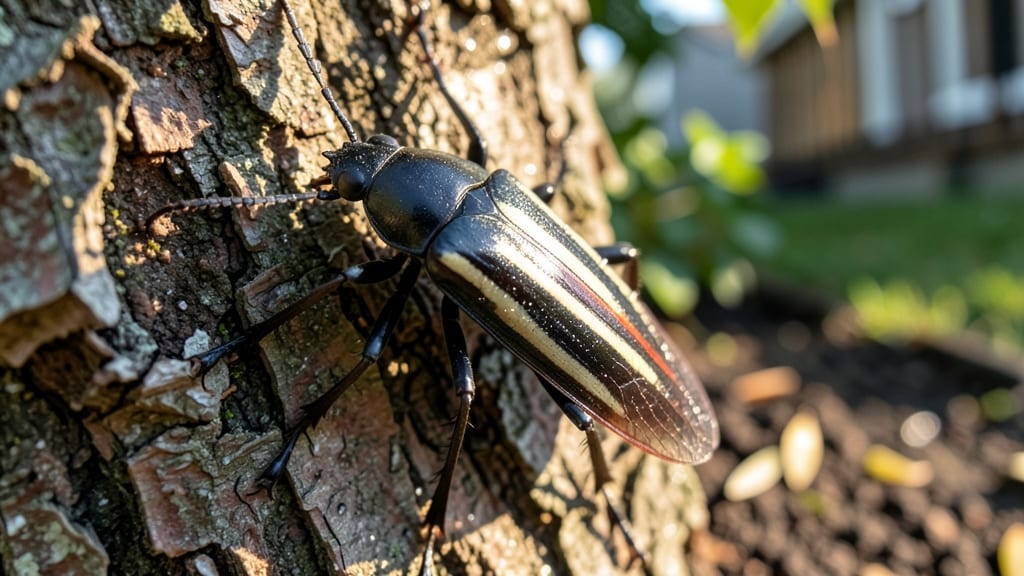
How to get rid of boxelder bugs outside your house—here’s the natural defense system that finally worked for me after years of battles. 🌿 These shield-backed invaders swarm in late summer like tiny armored armies, but these natural barriers kept them off my porch—and they’ll work for your home too. The key? Disrupting their life cycle before they even think about clustering on your siding.
They love boxelder trees (obviously), but they’ll happily move to your house if their preferred trees are nearby. Diatomaceous earth around foundations and neem oil sprays on trees create a hostile zone they’ll avoid. I’ve seen entire colonies turn away after just one treatment—no harsh chemicals needed.
By early fall, you’ll notice fewer bugs on your walls, and next spring, your trees will stay healthier. The best part? These methods protect pollinators and pets while keeping your home bug-free. Timing is everything—start in late summer before they stage their indoor takeover.
Works for homes with or without boxelder trees nearby. Here’s how to set up the defenses before they arrive.
Root Causes Of Boxelder Bugs
Boxelder bugs aren’t just random visitors—they’re drawn to your home for very specific reasons. Understanding these triggers is the first step in keeping them at bay. Let’s break down the science behind why these pests invade your property in the first place.
Boxelder bugs, as their name suggests, have a deep connection to boxelder trees (genus Acer negundo). These trees produce seeds that are a primary food source for the bugs, especially during late summer and fall. Here’s why they’re so irresistible:
- Seed-Rich Feasts: Boxelder trees produce winged seeds (called "helicopter seeds") that contain sugars and nutrients boxelder bugs crave. A single tree can host thousands of bugs during peak season.
- Sap & Saplings: The bugs also feed on the sap of young boxelder trees, maples, and even ash trees. If your yard or nearby properties have these trees, you’re essentially offering an all-you-can-eat buffet.
- Overwintering Habits: In fall, boxelder bugs seek shelter to survive winter. If your home has cracks, gaps, or shaded areas, it becomes an ideal hiding spot—especially if boxelder trees are nearby.
💡 Pro Tip: If you have boxelder trees on your property, consider removing them or at least pruning them away from your home’s exterior. This reduces both food sources and entry points.
Boxelder bugs are cold-sensitive insects. Once temperatures drop, they instinctively seek out warm, protected spaces to hibernate. Your home provides the perfect conditions:
- Insulation Gaps: Cracks in siding, gaps around windows, and loose roof shingles create easy entry points. These bugs can squeeze through openings as small as 1/16 of an inch!
- Sun-Exposed Walls: South- or west-facing walls absorb heat during the day, making them attractive resting spots. Bugs will cluster here before migrating indoors.
- Attics & Vents: Poorly sealed attics, chimneys, and ventilation fans offer dark, undisturbed spaces—ideal for overwintering colonies.
🔥 Warning: Once inside, boxelder bugs can become a nuisance by leaving reddish stains (from crushed bugs) on walls, curtains, and furniture. Preventing entry is key!
While boxelder trees are their favorite, these bugs will also target other plants that produce sap or seeds. Common culprits include:
| Plant Type | Why It Attracts Bugs |
|---|---|
| Maple Trees | Similar sap composition to boxelder trees; bugs mistake them for a meal. |
| Ash Trees | Young leaves and sap are a backup food source when boxelder trees are scarce. |
| Ginkgo Trees | Their seeds are another high-sugar snack for hungry boxelder bugs. |
| Weeds & Garden Plants | Overgrown vegetation provides hiding spots and alternative food sources. |
If your yard is a bug buffet, they’ll keep returning year after year. Regular pruning and removing non-native plants can disrupt their life cycle.
✨ Key Takeaway: Boxelder bugs don’t invade randomly—they’re following a scent trail to food, warmth, and shelter. By eliminating their attractions (trees, gaps, and clutter), you make your property far less inviting.
Beat Back Boxelder Bugs Naturally
Boxelder bugs may seem like a stubborn pest, but with the right strategies, you can reclaim your outdoor space without harsh chemicals. The key is to tackle the problem at its source—whether it’s their food, shelter, or breeding grounds—and reinforce your defenses to keep them from returning.
Below, we’ve mapped out practical, effective fixes for common causes of boxelder bug infestations, plus prevention tips to lock them out for good.
---
Boxelder bugs thrive on the seeds of boxelder trees (Acer negundo), so eliminating their primary food source is the most effective long-term solution.
🔥 How to Fix It: - 🌿 Trim or Remove Boxelder Trees If you have boxelder trees on your property, prune them in late winter or early spring to reduce seed production. For severe infestations, consider removing the tree entirely—consult a local arborist for safe removal. Pro Tip: 💡 If removal isn’t an option, bag and dispose of seed clusters as they form to deny the bugs their food.
- 🍃 Plant Alternatives Near Your Home Boxelder bugs are less attracted to other tree species. Plant maple, oak, or fruit trees (like apple or cherry) as a buffer zone around your property. These trees provide food but are less appealing to boxelder bugs.
- 🌱 Use Mulch or Landscaping Barriers Create a 3-foot-wide barrier of gravel, mulch, or ornamental grasses around your home’s foundation. Bugs dislike crossing open, dry surfaces, making it harder for them to invade.
---
Boxelder bugs sneak in through tiny cracks, so sealing gaps is your first line of defense.
🍳 How to Fix It: - 🔍 Inspect Your Home’s Exterior Walk around your house and look for gaps in: - Window and door frames - Foundation cracks - Vents, chimneys, and utility lines - Under siding or roof edges
- 👨🍳 Seal with Caulk or Weatherstripping Use silicone caulk for small cracks and weatherstripping for larger gaps around doors and windows. Pay extra attention to eaves, soffits, and attic vents—these are prime entry points.
- 🥘 Install Fine Mesh Screens Cover vents, chimneys, and attic openings with 16-20 mesh insect screens. Even if bugs get inside, screens prevent them from establishing a nest.
---
Adult boxelder bugs overwinter in large groups, often hiding under roof shingles, siding, or outdoor furniture. Targeting them before they multiply is crucial.
⏰ How to Fix It: - 🔪 Vacuum or Squish Adults (Safely!) If you spot clusters of bugs on your home’s exterior: - Use a shop vacuum with a fine mesh bag to suck them up (dispose of the bag immediately). - For small groups, crush them with a broom or shoe—just avoid squishing them near your home, as it can release an unpleasant odor.
- 🎯 Set Up Sticky Traps or Diatomaceous Earth Place sticky traps near boxelder trees, sidewalks, or foundation walls to catch stragglers. For a non-toxic option, sprinkle food-grade diatomaceous earth (DE) in a thin layer along entry points—it dehydrates bugs on contact.
- 🌧️ Use a Strong Hose Stream For bugs hiding in crevices or under eaves, blast them off with a garden hose on a high-pressure setting. Repeat weekly until they’re gone.
---
Once you’ve eliminated the immediate threat, preventive measures will keep boxelder bugs from moving back in.
💡 Pro Tips: - 🌿 Maintain Your Yard Keep grass mowed short and shrubs trimmed away from your home’s foundation. Bugs use tall vegetation as cover to sneak closer.
- 🌡️ Monitor and Act Early Start checking for bugs in late summer (when they’re most active) and early spring (when they emerge from overwintering). Early action prevents large infestations.
- 🏡 Use Natural Repellents Boxelder bugs dislike strong scents. Try: - Citrus peels (dried or fresh) near entry points. - Cedar mulch around your home’s perimeter. - Essential oils like peppermint, eucalyptus, or tea tree oil (mix with water and spray around the foundation).
- 🔄 Schedule Regular Inspections Twice a year (spring and fall), inspect your home for: - New cracks or gaps. - Signs of overwintering bugs (dark stains on siding). - Damaged screens or seals.
--- By combining food source removal, physical barriers, and proactive trapping, you can effectively eliminate boxelder bugs from your property—without relying on chemicals. Stay consistent, and these pests will have no place to call home!
Frequently asked questions about boxelder bug control
What’s the best time of year to treat for boxelder bugs?
Start your defense in late summer (August-September) when bugs are most active feeding on seeds. This prevents them from clustering near your home. Early spring inspections (March-April) help catch overwintering survivors before they multiply.
Will removing boxelder trees completely eliminate these bugs?
Not always—boxelder bugs will still target nearby maple, ash, or ginkgo trees for food. However, removing boxelder trees from your property reduces their primary food source by up to 70%. Combine removal with sealing gaps to maximize effectiveness.
Is diatomaceous earth safe for pets and plants?
Yes, when using food-grade diatomaceous earth (DE). It’s completely non-toxic to pets and plants—it only harms bugs by dehydrating them. Sprinkle a thin layer along foundations, window sills, and under eaves. Just avoid inhaling the dust and reapply after rain.
Why do boxelder bugs leave reddish stains on my walls?
Those stains come from crushed bugs releasing a reddish bodily fluid called hemolymph. The bugs often cluster in large groups, so when they get squished (by wind, predators, or even your broom), the stains appear. Preventing entry with screens and seals eliminates this messy problem.
Can I use essential oils to repel boxelder bugs?
Mix peppermint, eucalyptus, or tea tree oil with water (10 drops per cup) and spray around doorways, windows, and foundation edges. Reapply every 2-3 weeks or after rain. These strong scents disrupt their scent trails and deter them from settling nearby.