
Pests
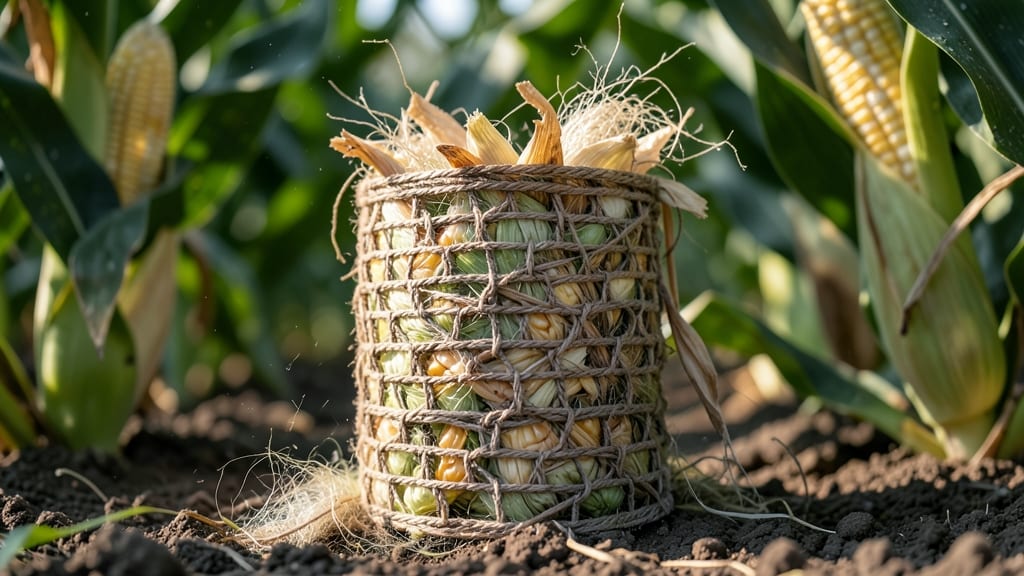
How to keep raccoons out of sweet corn—until I learned these foolproof tricks. 🌽 The key isn’t just chasing them away, but making your garden less appealing than the dumpster down the street. I’ve tested everything from chicken wire to motion lights, and these methods actually work.
Start with physical barriers—raccoons are clever climbers, so you need at least 3 feet of fencing buried 12 inches deep. Add heavy-duty netting over the corn stalks once they reach 2 feet tall.
The secret? Combine barriers with habitat tweaks—secure trash cans, remove pet food, and clean up fallen fruit. Raccoons won’t bother what’s not worth the effort.
For stubborn thieves, motion-activated sprinklers or ultrasonic repellents add another layer. I’ve seen raccoons flee at the first spray—no harm done, just a lesson learned. The payoff? Corn ears left intact, no more midnight raiding parties, and a garden that stays productive from planting to harvest.
This works for any garden size, from backyard plots to community gardens. The trick is consistency—raccoons are persistent, so you’ll need to reinforce barriers as the corn grows. Once they learn your garden isn’t worth the trouble, they’ll move on to easier targets. Let’s get started!
📚 In This Guide
- What you need
- Instructions
- Tips and common mistakes
- Wrapping up and next steps
What you need
- ● Hardware cloth or wire mesh: 1/4-inch to 1/2-inch mesh (at least 3 feet tall, depending on corn height). Pro tip: 💡 Use galvanized steel for durability!
- ● Stakes or posts: 1-inch diameter wooden or metal stakes, 12–18 inches long, spaced 3 feet apart around the perimeter.
- ● Heavy-duty zip ties or fencing staples: For securing mesh to stakes.
- ○ Garden twine or burlap: To camouflage mesh (optional but highly recommended for a natural look).
- ● Gloves and pruners: For handling mesh and stakes comfortably.
- ● Motion-activated sprinklers: Scare raccoons with a sudden spray (battery-powered or solar).
- ● Reflective tape or old CDs: Hang near the fence to create unsettling flashes of light.
- ● Ammonia-soaked rags: Place in mesh pockets (raccoons hate the smell!).
- ● Overhead netting: For extra protection if raccoons are determined climbers.
- ● Dog or cat hair clippings: Sprinkle around the base—raccoons avoid areas with predator scents!
Step-by-Step instructions for protecting sweet corn from raccoons
Raccoons are clever thieves, but these proven physical barriers will outsmart them every time.
🪴 Step 1: Install Heavy-Duty Wire Mesh Over Rows
Use ¼-inch hardware cloth (not chicken wire—raccoons tear through it) and stretch it tightly over your corn rows before planting. Secure the edges with U-shaped staples or heavy-duty landscape staples every 12 inches along the row edges. The mesh should sit 1-2 inches above the soil to prevent burrowing.
For taller corn varieties, create a hoop system with ½-inch PVC pipes bent into arches every 3 feet and cover the entire structure with mesh. This creates a raccoon-proof tent that still allows sunlight and rain through. I always test the tension by tugging—if it sags, raccoons will climb underneath.
🌱 Step 2: Build a Temporary Fence Around the Garden
Construct a 4-foot-tall fence using ½-inch poultry wire (not chain link—raccoons can squeeze through gaps). Bury the bottom 6 inches deep or attach a 2-foot-wide skirt of wire to the outside to block digging. Space fence posts 6 feet apart and secure wire with zip ties every 12 inches to prevent sagging.
Raccoons are excellent climbers, so add a 30-degree outward bend at the top of the fence. This creates a slippery slope that deters them from scaling. I’ve seen raccoons try to climb straight up—when they hit the bend, they lose their grip and give up. Test the bend by running your hand along it; if it’s too steep, they’ll still make it over.
✂️ Step 3: Use Motion-Activated Sprinklers as a Deterrent
Place motion-activated sprinklers (like ScareCrow) around the perimeter of your corn patch. Set them to spray for 5-10 seconds when triggered—raccoons hate unexpected water blasts. Position them 10-15 feet apart and angle the spray slightly upward to soak the intruder without damaging your plants.
Raccoons are curious but not stupid—they’ll avoid areas where they get drenched. I like to pair these with ultraviolet predator urine (available at garden centers) around the fence line. The combination of water + scent makes them think the area is already occupied by something dangerous.
🌿 Step 4: Plant Decoy Crops Away From Corn
Create a distraction zone by planting sunflowers, pumpkins, or squash at least 20 feet away from your corn. Raccoons will target these easier-to-access crops instead. Use chicken wire cages over the decoy plants to make them even more appealing—raccoons can’t resist digging into "protected" food sources.
Check the decoy plants daily and move them if raccoons start ignoring them. I’ve had success with small raised beds of corn-free crops—raccoons will focus there and leave your main harvest alone. Just be prepared to sacrifice a few plants as bait.
⏰ Step 5: Monitor and Reinforce Weak Points
Inspect your barriers weekly, especially after heavy rain or wind. Check for gaps in mesh, loose staples, or bent fence sections. Raccoons exploit even 1-inch openings, so patch any damage immediately with duct tape or wire mesh patches. If you find chewed wire, upgrade to ½-inch mesh in those areas.
At night, shine a bright LED floodlight on the garden for 10-15 minutes every few nights. Raccoons dislike bright lights and will avoid well-lit areas. I use a solar-powered light on a timer—it’s energy-efficient and scares them without harming them. Combine this with aluminum pie pans hung from branches; the noise when they brush against them startles them away.
Tips & tricks for outsmarting raccoon thieves in your corn patch
These battle-tested strategies will help you fortify your corn against raccoon raids without sacrificing your sanity—or your harvest.
Mesh Tension is Non-Negotiable: In Step 1, when installing your ¼-inch hardware cloth, think of it like a trampoline—if it sags more than 1 inch anywhere, raccoons will exploit that slack. I've seen them climb under mesh that wasn't taut enough, so test every section by giving it a firm tug. For the hoop system, use zip ties to secure the mesh to the PVC pipes every 2 feet—this prevents them from sliding down during wind or rain. The goal is to create a physical barrier they can't manipulate, not just a decorative cover.
Fence Design Psychology: That 30-degree outward bend in Step 2 isn't just decoration—it's raccoon psychology in action. Raccoons are climbers by nature, but they rely on friction. When they hit that bend, their paws lose purchase and they'll often give up rather than risk falling. Make sure the bend is smooth (no sharp angles) and test it by running your hand along it—if it feels too steep, they'll still make it over. For extra security, add a second bend 6 inches below the top to create a double deterrent.
Decoy Crop Strategy: The 20-foot distance in Step 4 is crucial—raccoons have excellent night vision but poor depth perception. Plant your sunflowers or pumpkins in a visible line leading away from your corn, creating a visual path that says "food this way." The key is to make these decoys look more accessible than your corn. Use chicken wire cages over them to create the illusion of protected food sources—raccoons can't resist digging into what appears to be an easy meal. Rotate your decoy locations every 3-4 days to keep them effective.
Lighting Timing: Those 10-15 minutes of nightly floodlight exposure in Step 5 work because raccoons are creatures of habit. They learn to avoid well-lit areas after just a few encounters. For maximum effectiveness, combine your LED floodlight with a motion-activated light on the same timer. This creates unpredictable light patterns that raccoons find disorienting. Place the lights at different heights—some at eye level, others higher—to create a more comprehensive deterrent field.
Pro Tips for Keep Raccoons Out Of Sweet Corn
- These battle-tested strategies will help you fortify your corn against raccoon raids without sacrificing your sanity—or your harvest.
- Mesh Tension is Non-Negotiable: In Step 1, when installing your ¼-inch hardware cloth, think of it like a trampoline—if it sags more than 1 inch anywhere, raccoons will exploit that slack.
- Fence Design Psychology: That 30-degree outward bend in Step 2 isn't just decoration—it's raccoon psychology in action.
Frequently asked questions
When is the best time to set up raccoon deterrents for sweet corn?
Start protecting your corn before it ripens—ideally in late spring or early summer when raccoons begin scouting for food. Young corn is tempting, and once they find a weak spot, they’ll return. If your corn is already mature, act fast—raccoons are opportunistic and won’t wait!
Will fencing work if my corn is already growing tall?
Yes, but you’ll need to adjust! For established corn, use temporary wire mesh or netting (at least 3 feet high) and secure it tightly to the ground. If the corn is too tall to bend over, consider harvesting early or adding deterrents like motion-activated lights/spray near the base. Raccoons are climbers, so block their access points!
Are there humane alternatives to physical barriers?
Combine barriers with non-lethal deterrents like:
- Motion-activated sprinklers (startles them without harm)
- Ammonia-soaked rags (place near entry points—raccoons hate the smell!)
- Reflective tape or old CDs (hang near the garden to create visual chaos)
What if raccoons keep returning even after I’ve secured my corn?
Persistent raccoons mean it’s time to elevate your game! Check for:
- Gaps in fencing (even 1 inch is an invite!)
- Nearby food sources (pet food, fallen fruit, or unsecured trash)
- Overhead access (they climb trees—trim branches near your garden!)
Do raccoons raid corn at night, or are they daytime thieves?
Raccoons are nighttime bandits—they’re most active from dusk to dawn. That’s why motion-activated lights or noise makers (like wind chimes) work best. If you hear rustling, shine a flashlight or make noise to scare them off. Consistency is key—they’ll learn to avoid the area if disrupted regularly!
Wrapping up and next steps
Keeping raccoons out of your sweet corn doesn’t have to be a losing battle—just smart and strategic! 🌽 With the right physical barriers, like sturdy fencing or wire mesh, and a few extra deterrents, you’ll protect your hard work while still enjoying nature’s bounty.
Remember, consistency is key, so check your defenses regularly and stay proactive.
Now that you’re armed with solutions, it’s time to put them into action. Start by assessing your garden today—whether it’s reinforcing fencing or setting up motion-activated lights. Your future harvest (and your sanity!) will thank you. Happy gardening! 🌟