
Blooming
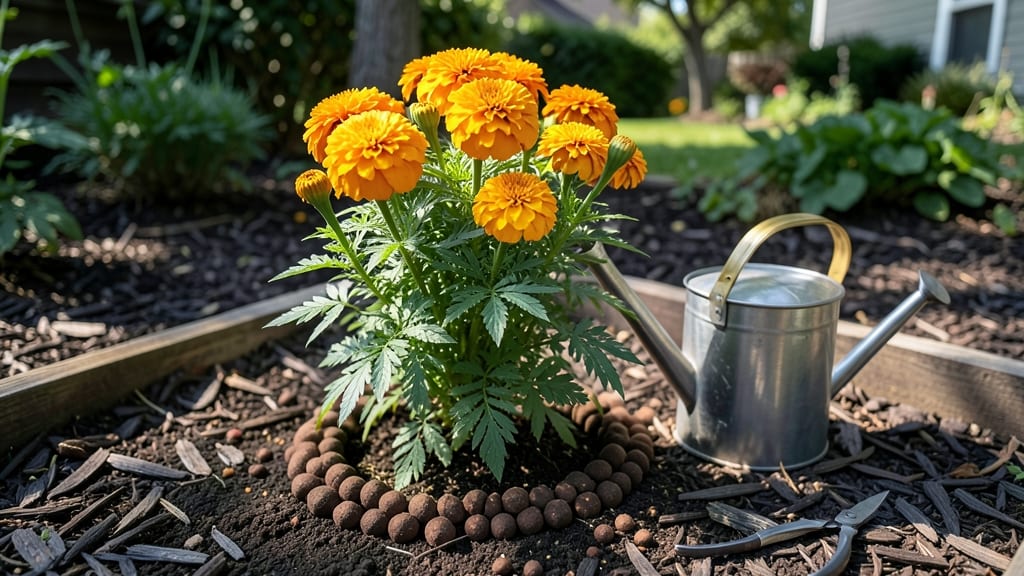
How to keep marigolds blooming—it’s the one trick that turns single flowers into weeks-long bursts of color, and it’s simpler than you’d think. ✨ The secret isn’t fancy fertilizers or rare varieties—it’s a simple habit that turns those single blooms into nonstop color explosions. I've grown marigolds for years, and deadheading isn't just about looks; it's about prolonging blooms by 50% with just a few minutes of work every few days.
Here's what actually works: pinch or snip off spent blooms at the base of the flower head, not the stem. Most gardeners mess this up by cutting too low, which removes future blooms. The goal is to encourage new buds to form right where the old flower sat.
I use clean, sharp scissors to avoid damaging stems, and always work in the morning when flowers are dry and fresh.
You'll see the difference within 7-10 days—new buds pushing through the foliage, then opening into vibrant yellows and oranges. The plants stay compact, produce more flowers, and resist pests better because they're putting energy into growth, not seed production. Even my black-thumb neighbors get results with this method.
Seasonal tweaks matter too: in hot climates, water at the base in the morning; in cooler areas, mulch to protect roots. The key is consistency—don't let flowers go to seed, and your marigolds will reward you with nonstop color from spring until frost.
📚 In This Guide
- What you need
- Instructions
- Tips and common mistakes
- Wrapping up and next steps
What you need
- ● Marigold plants – Healthy, established plants (French, African, or Mexican varieties work best). Pro tip: Start with disease-resistant varieties for fewer headaches! 🌡️
- ● Pruning shears or sharp scissors – Must be clean and sterilized (rubbing alcohol works great!) to avoid spreading disease. ✂️
- ○ Gloves (optional but recommended) – Protects hands from thorns (especially African marigolds) and dirt. 🧤
- ● Watering can or hose with a gentle spray nozzle – Marigolds love hydration but hate soggy roots. Aim for 1-1.5 inches of water per week (adjust for rain!). 💦
- ● Balanced, water-soluble fertilizer – Look for a 10-10-10 or 20-20-20 NPK ratio. Dilute to half-strength to avoid burning roots. 🌿
- ○ Mulch (optional but helpful) – 2-3 inches of organic mulch (straw, shredded leaves, or pine needles) retains moisture and regulates soil temp. 🍂
- ● Garden twine or plant ties – Helps support tall varieties (like ‘Tangerine Gem’) if they flop. 🎀
- ● Epsom salt (magnesium sulfate) – A tablespoon per gallon of water monthly boosts blooms and green growth. ⚗️
- ● Compost or worm castings – Mix 1-2 cups per plant into soil at planting for long-term nutrition. ♻️
- ● Neem oil or insecticidal soap – Keeps pests like aphids and spider mites in check. 🐜
Step-by-step instructions for keeping marigolds blooming
Marigolds reward deadheading with weeks of vibrant blooms—here’s how to make it effortless.
✂️ Step 1: Identify When and How to Deadhead
Deadhead marigolds when spent blooms start drying out—usually 2-3 days after petals wilt. Pinch off the faded flower head with your thumb and forefinger, or use clean pruners to snip just above the next set of leaves or side bud. This prevents seed formation and redirects energy to new blooms. I always check plants first thing in the morning when blooms are crisp and easy to spot.
Don’t wait until flowers turn brown or brittle—those suck energy from the plant. A quick daily scan of your patch takes less than 5 minutes and keeps your marigolds producing nonstop. If you miss a day, don’t stress—just catch up the next morning. The key is consistency, not perfection.
🌿 Step 2: Encourage Bushier Growth with Pruning
After deadheading, take a moment to inspect the plant’s structure. If stems look leggy or sparse, trim back the longest growth by one-third to encourage branching. This creates a fuller, bushier plant that produces more flowers. I like to do this every 2-3 weeks during peak bloom season to maintain shape and vigor.
Use sharp pruners to make clean cuts at a 45-degree angle just above a leaf node. Avoid cutting into woody stems—marigolds are tender and heal best from green growth. If you notice yellowing leaves, they’re a sign of over-pruning or poor circulation. Simply remove those leaves and reduce future cuts.
☀️ Step 3: Optimize Light and Water for Continuous Blooms
Marigolds thrive in full sun (6-8 hours daily), but they’ll reward you with extra blooms if you ensure they get enough light. If your plants start producing fewer flowers, check for shade from taller neighbors or nearby structures. Move containers or thin out overgrown companions to restore sunlight access.
Water deeply once a week (or more in extreme heat), aiming for 1-1.5 inches of water per week. Let the top inch of soil dry out between waterings—soggy roots lead to fewer blooms. I water in the early morning so foliage dries quickly, reducing fungal risks. Mulch around the base with 2-3 inches of organic mulch to retain moisture and keep roots cool.
💧 Step 4: Feed for Long-Lasting Color
Marigolds aren’t heavy feeders, but a balanced fertilizer (10-10-10) applied every 4-6 weeks keeps them blooming. Mix a ½ teaspoon per gallon of water and apply it to the soil around the base, avoiding the leaves. Over-fertilizing leads to lush foliage but fewer flowers—so less is more.
For organic options, use compost tea or a dilute fish emulsion every 3-4 weeks. I swear by a mid-season boost with compost tea in late summer to extend the blooming season. Always water before and after fertilizing to prevent root burn. If you notice slow growth or pale leaves, it’s time for another light feeding.
⏰ Step 5: Extend the Season with Strategic Care
To keep marigolds blooming late into fall, protect them from early frosts. If temperatures dip below 40°F, move container-grown plants to a sheltered spot or cover them with frost cloth at night. For in-ground plants, add a 2-inch layer of straw mulch around the base to insulate roots.
In early spring, prune back any winter-damaged growth and fertilize lightly to kickstart new blooms. Marigolds are tough and often bounce back quickly. If you’re in a warm climate, you can even get a second flush of flowers by deadheading and feeding in late summer. The secret is staying on top of it—just 10 minutes a week keeps your marigolds looking their best all season long.
Tips & tricks for perfect marigold care
A few simple habits can transform your marigolds from occasional bloomers to nonstop flowering machines.
Timing is Everything: Those 2-3 days after petals wilt is the perfect window for deadheading. I've learned the hard way that waiting until flowers turn brown means you're stealing energy from potential new blooms. Early morning is ideal—cooler temps make the stems firmer, and dew keeps everything fresh. If you're consistently busy, set a phone reminder for every other morning to keep your routine.
Pruning Precision: When you trim back leggy stems by one-third, always cut at a 45-degree angle just above a leaf node. This angle prevents water from pooling on the cut, which can lead to rot. I use clean pruners for every cut to avoid spreading disease between plants. If your marigolds develop yellow leaves after pruning, you're either overdoing it or cutting too close to woody stems—both signals to lighten up on the pruning.
Sunlight Strategy: Marigolds need their 6-8 hours of full sun daily, but here's what nobody tells you: they'll actually produce more blooms if they get a little afternoon shade in extremely hot climates. Watch your plants—they'll tell you what they need. If blooms start fading faster than usual, it might be time to move containers or thin out nearby plants that are casting too much shade.
Watering Wisdom: That 1-1.5 inches of water per week guideline works for average conditions, but adjust for your climate. In my dry summer heat, I water every 3-4 days instead. The key is checking soil moisture—stick your finger an inch deep. If it's dry, water deeply; if it's still damp, wait another day. Mulching with 2-3 inches of organic material makes all the difference in moisture retention and temperature regulation.
Pro Tips for Keep Marigolds Blooming
- A few simple habits can transform your marigolds from occasional bloomers to nonstop flowering machines.
- Timing is Everything: Those 2-3 days after petals wilt is the perfect window for deadheading. I've learned the hard w...
- Pruning Precision: When you trim back leggy stems by one-third, always cut at a 45-degree angle just above a leaf nod...
Frequently asked questions
Got questions about keeping your marigolds in full bloom? You’re not alone! Here are some of the most common concerns—and quick fixes—to keep those vibrant flowers shining all season long.
Why are my marigolds blooming less even after deadheading?
If deadheading isn’t working, check for overcrowding or nutrient deficiencies. Marigolds need space to breathe—thin out plants if they’re too packed. Also, ensure they’re getting enough phosphorus (the middle number in NPK) for blooms. A balanced fertilizer can help!
How often should I deadhead marigolds for continuous blooms?
For nonstop color, deadhead every 2–3 days during peak bloom (spring/summer). If you’re busy, aim for at least 2–3 times per week. The key is consistency—don’t let spent blooms turn to seed, or the plant will focus energy there instead of new flowers!
Can I use marigolds as cut flowers, or will they stop blooming?
Yes! Cutting marigolds won’t kill their blooming habit—just harvest stems early in the morning and leave at least 2–3 sets of leaves on the plant. Avoid over-cutting; limit to 1/3 of the plant at a time. They’ll bounce back with fresh blooms in 1–2 weeks!
Pests are eating my marigolds—will this affect blooming?
Common pests like aphids or spider mites can stress plants, reducing blooms. Spray with neem oil or insecticidal soap, and encourage ladybugs (natural predators). Keep soil moist but not soggy—drought stress also invites pests. Healthy plants bloom better!
Will marigolds bloom in hot or cold climates?
Marigolds thrive in warm weather (70–85°F) but can struggle in extreme heat (90°F+) or cold (below 50°F). In hot climates, provide afternoon shade and mulch to retain moisture. For cooler areas, opt for French marigolds (hardier varieties) or start seeds after the last frost.
Wrapping up and next steps
Keeping marigolds blooming is all about consistent care—deadheading spent blooms, ensuring proper sunlight, and feeding them right. With these simple steps, your garden will burst with vibrant color all season long! 🌼
Ready to put your new skills to work? Grab those pruners and get out there—your marigolds (and pollinators!) will thank you. Happy gardening!
- 🌱 Pro Tip: Start small—even a single pot of marigolds can make a difference!