
Blooming
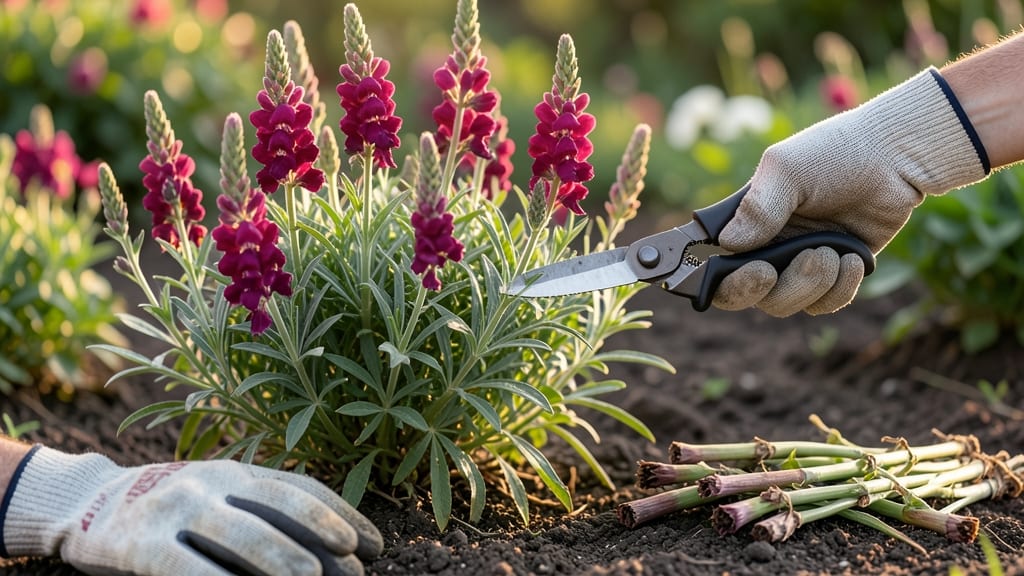
How to cut snapdragons for more blooms—your flowers could bloom for months instead of weeks. ✂️ I’ve watched these tall, spiky flowers go from a single flush of blooms to a nonstop summer display—just by making three simple cuts at the right time.
The secret isn’t complicated: trim spent flowers before they seed, and you’ll trigger new buds to form. Use clean pruners to snip just above the next set of leaves (about ¼ inch below the flower head), and avoid cutting into the main stem.
This encourages bushier growth and keeps the plant focused on producing more blooms, not seeds.
By mid-summer, your plants will be packed with fresh flowers instead of stretching tall and leggy. The right cuts also improve airflow, reducing the chance of powdery mildew—a common snapdragon problem. With this method, I’ve had snapdragons flowering continuously from June through frost.
Works for all snapdragon varieties, whether you’re growing them in garden beds or containers. The key is consistency—check your plants every few days and trim as soon as flowers fade. Here’s exactly how to do it without stressing the plant.
📚 In This Guide
- What you need
- Instructions
- Tips and common mistakes
- Wrapping up and next steps
What you need
- ● Clean, sharp pruning shears – A bypass pruner (not anvil-type) works best to avoid crushing stems. Look for stainless steel blades (4-6 inches long) for precision cuts.
- ● Garden gloves – A pair of nitrile-coated gloves (medium or large) to protect your hands from thorns and dirt.
- ○ Disinfectant (optional but recommended) – A small bottle of rubbing alcohol (70% isopropyl) or hydrogen peroxide (3%) to sterilize tools between cuts and prevent disease.
- ○ Pruning saw (optional) – Only if dealing with thick, woody stems (rare in young snapdragons). A folding pruning saw with a fine-tooth blade works well.
- ○ Garden twine or plant ties (optional) – For securing stems if your snapdragons are top-heavy after pruning (e.g., 1/4-inch wide twine).
- ○ Compost bin or mulch (optional) – To dispose of pruned stems responsibly (avoid adding diseased plants to compost).
- ● Watering can or hose with a gentle nozzle – To hydrate plants post-pruning (1-2 gallons of water per plant is ideal).
- ● Sunny day with mild temperatures – Aim for 60–75°F (15–24°C) and morning hours to reduce stress on the plant.
Step-by-Step instructions for cutting snapdragons to encourage more blooms
Here's my foolproof method for pruning snapdragons that keeps them flowering like crazy all season.
✂️ Step 1: Identify the Right Time to Prune
Wait until you see 3-4 mature blooms on a stem before cutting. This gives the plant enough energy to recover and produce new side shoots. I always check for fully open flowers with color—those are the ones ready for action. Pruning too early stresses the plant and cuts back potential blooms.
Early morning is best for cutting. Flowers hold their moisture longer in cooler temperatures, and you'll avoid wilting stems. Snapdragons are tough, but this small consideration makes a big difference in how long your cuttings stay fresh.
✂️ Step 2: Make Clean Cuts at the Correct Spot
Use sharp, clean pruners or scissors to cut the stem just above a leaf node—that's where new side shoots will emerge. I like to make the cut at a 45-degree angle about ¼ inch above the node. This prevents water from pooling on the cut surface and keeps the plant healthy.
Don't cut too far down—you'll remove too much growth potential. Look for the small bump where leaves attach to the stem; that's your target. The more leaf nodes you leave, the more potential new blooms your snapdragon has.
✂️ Step 3: Encourage Bushier Growth After Pruning
After cutting, the plant will focus energy on developing side shoots from the remaining leaf nodes. You'll see new growth appearing within 1-2 weeks if conditions are right. Keep the soil consistently moist but not soggy—1 inch of water per week is ideal. Too much water can cause rot, while too little slows regrowth.
Here's the thing—don't overdo it. If you cut back too aggressively, you'll end up with leafy stems and fewer flowers. I usually prune 2-3 stems per plant every 3-4 weeks during the growing season. This balance keeps your snapdragons producing blooms while maintaining their bushy shape.
🌿 Step 4: Deadhead Spent Blooms Regularly
As flowers fade, pinch or cut them off just above the next set of leaves. This prevents the plant from wasting energy on seed production. I deadhead every 2-3 days during peak bloom time—it's a small effort that pays off with nonstop color.
Watch for the flower spike turning brown or seeds forming inside. That's your cue to snip it off. The sooner you remove spent blooms, the quicker the plant redirects energy to new flowers. You'll notice a difference in just a few days—more buds opening and fewer leggy stems.
☀️ Step 5: Adjust Care for Continuous Blooming
Maintain full sun (6+ hours daily) and well-draining soil to keep snapdragons thriving. After pruning, they'll need a little extra care. I add a balanced fertilizer (10-10-10) every 4-6 weeks to support new growth. Too much fertilizer causes leafy growth at the expense of flowers, so follow package instructions carefully.
If your snapdragons start looking tired by late summer, give them a final pruning to clean up the plant. You won't get as many new blooms, but it keeps the foliage neat and prepares the plant for next season. The key is consistent care—prune, deadhead, and feed regularly, and your snapdragons will reward you with blooms all season long.
Tips & tricks for pruning snapdragons to boost blooms
Here's what I learned after years of trial and error to keep my snapdragons flowering like mad.
Timing is Everything: The 3-4 mature blooms rule in Step 1 is non-negotiable. I've seen gardeners cut too early and watch their plants struggle for weeks to recover. Watch for fully open flowers with vibrant color—those are your cues. Early morning cutting prevents wilting and gives you fresh stems for arrangements too.
The Cutting Angle Secret: That 45-degree angle in Step 2 isn't just for looks—it prevents water pooling that can cause rot. I use clean pruners and make the cut about ¼ inch above the leaf node. This small detail makes all the difference in how quickly new shoots emerge from those nodes.
Watering Wisdom: After pruning, the 1-inch-per-week watering guideline becomes even more critical. Too much water stresses the plant as it recovers, while too little slows regrowth. I check soil moisture by sticking my finger an inch down—if it's dry, that's when I water. The goal is consistent moisture without soggy soil.
Deadheading Discipline: The 2-3 day deadheading schedule in Step 4 works wonders. I set a timer on my phone to remind me—it only takes 5 minutes but prevents energy waste on seed production. Look for brown flower spikes or visible seeds as your cue to snip. You'll notice new buds forming within days.
Pro Tips for Cut Snapdragons For More Blooms
- Here's what I learned after years of trial and error to keep my snapdragons flowering like mad.
- Timing is Everything: The 3-4 mature blooms rule in Step 1 is non-negotiable. I've seen gardeners cut too early and w...
- The Cutting Angle Secret: That 45-degree angle in Step 2 isn't just for looks—it prevents water pooling that can caus...
Frequently asked questions
Got questions about snapping your snapdragons the right way? Here are some of the most common ones—plus quick answers to keep your plants thriving and blooming like crazy!
When is the best time to cut snapdragons for more flowers?
The ideal time to prune snapdragons is right after the first bloom fades or when the flower bud is about to open. This encourages the plant to redirect energy toward new side shoots instead of seed production. Avoid cutting in extreme heat or cold—aim for morning hours when the plant is hydrated and less stressed.
How much of the stem should I cut off when pruning?
Cut back the main stem just above a set of leaves or a side bud, about 1/3 to 1/2 inch above the node. This prevents rot while leaving enough growth to spur new blooms. Never cut into woody stems—focus on green, flexible growth for best results.
What if my snapdragons stop blooming after pruning?
If blooms taper off, check for these issues:
- Over-pruning: Too many cuts at once can shock the plant. Space pruning 2-3 weeks apart.
- Underwatering: Pruned plants need consistent moisture to recover. Water at the base, not the leaves.
- Poor light: Snapdragons crave 6+ hours of sunlight daily. Move them to a sunnier spot if blooms slow.
- Nutrient deficiency: Feed with a balanced bloom booster every 4-6 weeks.
Can I use the cut flowers in arrangements?
Snapdragons make stunning cut flowers—just harvest them when 2-3 buds are open for the longest vase life. Remove lower leaves to prevent bacterial growth in water, and change the water every 2-3 days. Pro tip: Add a sugar cube to the water to extend their freshness!
Should I prune snapdragons before winter?
If you’re growing snapdragons as annuals, prune lightly in fall to tidy up the plant, but don’t stress—focus on harvesting seeds if you want to save them for next year. For perennial varieties in mild climates, cut back dead or diseased stems but leave healthy growth. In freezing zones, mulch the base to protect roots over winter.
Wrapping up and next steps
With these simple techniques, you can transform your snapdragons into bloom powerhouses—keeping them lush, full, and flowering for weeks longer! 🌸 Whether you’re a seasoned gardener or just starting, a little pruning goes a long way.
Now that you’re armed with the know-how, grab those shears and give your plants the TLC they deserve.
Ready to see the difference? Start today—your snapdragons (and your garden’s curb appeal!) will thank you.