
How To
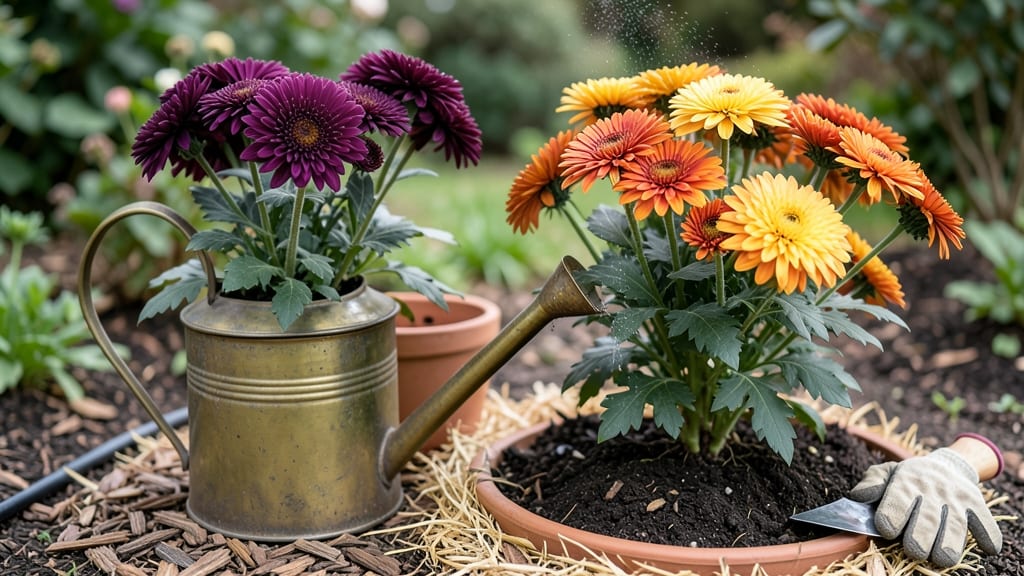
How to keep these fall mums alive—that’s the question every gardener asks after watching their chrysanthemums wither by December. That heartbreaking sight happens every year—but it doesn’t have to. 🌿 I’ve lost count of the times I watched my chrysanthemums wither after frost, only to discover the simple tricks that keep them thriving through winter. The key isn’t just protecting them from cold; it’s about understanding their needs before the first freeze hits.
Most gardeners focus on the wrong things—like watering too much or assuming mulch alone will save them. What actually works is a three-step approach: shielding roots from temperature swings, adjusting watering as soil freezes, and giving them a dry, sheltered spot.
Even in Zone 5, my mums come back stronger every spring with just these adjustments.
By late fall, you’ll have mums that stay vibrant longer, bloom earlier next season, and resist disease better. The secret’s in the details: how deep to mulch, when to move potted plants indoors, and which varieties handle cold best. I’ll show you exactly how to do it—no guesswork, just results.
This works for both in-ground and container mums, whether you’re in a cold climate or just dealing with early frosts. The same principles apply whether you’re prepping for a harsh winter or a mild one. Let’s get those blooms ready for next year!
📚 In This Guide
- What you need
- Instructions
- Tips and common mistakes
- Wrapping up and next steps
What you need
- ● Fall mums (Chrysanthemums): Healthy, disease-free plants (1–10, depending on your setup). Look for hardy varieties (e.g., 'Hardy Gold' or 'Dynasity') if overwintering outdoors.
- ● Well-draining potting mix: 1–2 bags (1–2 cubic feet each). Use a blend labeled for perennials or succulents (avoid garden soil—it compacts and holds too much moisture).
- ● Containers: For storage: Black plastic pots (6–8 inches deep) or breathable fabric grow bags (1 per mum).
- ● For overwintering outdoors: Larger pots (10–12 inches deep) with drainage holes.
- ● Drainage: Small rocks (½ inch) or perlite (1 cup) to layer at the bottom of pots.
- ● Pruning shears: Sharp, clean pair (sterilize with rubbing alcohol).
- ○ Fungicide (optional but recommended): Copper-based or neem oil spray (1 bottle) to prevent mold during storage.
- ● Mulch: Straw or shredded leaves (2–3 inches thick) to insulate roots.
- ● Burlap or frost cloth: 1–2 pieces (4’x6’ each) to wrap pots or protect plants from wind.
- ● Stakes or plant ties: 4–6 stakes (6 inches tall) + soft ties to secure mums if they flop.
- ● Watering can with rose attachment: For gentle hydration (avoid overhead watering in cold weather).
- ● Cool, dark space: Garage, basement, or shed (ideal temp: 35–45°F). Avoid refrigerators or damp areas!
- ○ Humidity control: A small fan (optional) to circulate air and reduce rot risk.
- ● Labels & markers: To track varieties and planting dates.
- ● Growth regulator (e.g., B-Nine) to encourage bushier regrowth next spring.
- ● Slow-release fertilizer (5–10–10 ratio, 1 tbsp per pot) for post-storage planting.
- ○ LED grow lights (optional) if overwintering indoors for early blooms.
Tips & tricks for perfectly winter-proofed fall mums
These simple tricks will help your mums survive winter and bloom beautifully next season.
Timing for Dormancy Prep: The first hard frost is your cue to trim those faded blooms down to 2-3 inches—this isn't just about looks, it's about forcing the plant to focus on root strength for winter survival. I've seen gardeners skip this step and end up with weak stems that can't handle winter's weight. That yellowing of leaves? Good! It means the plant is properly shifting into dormancy mode.
Mulch Depth Matters: When you're piling that 4-6 inch layer of mulch, don't skimp around the stems. That extra 6 inches right at the base creates a cozy insulation blanket that keeps roots at a steady temperature—critical when nighttime temps drop below 10°F. I've learned the hard way that thin mulch leaves roots vulnerable to freeze-thaw damage that can kill your plants.
Protective Layer Strategy: For those extreme cold snaps below 10°F, that frost blanket or burlap wrap needs to be snug but not suffocating. Think of it like a winter coat—it should block wind and snow while still letting light and air reach the plant. I've seen too many gardeners seal plants completely, only to come back to moldy stems in spring. Leave that small gap at the center to prevent moisture buildup.
Spring Wake-Up Call: That late February to March timing for spring pruning is crucial because it gives your mums time to establish new growth before summer heat arrives. I've found that waiting too long can stress the plants, while pruning too early can expose them to late frosts. The 50°F soil temperature check is your best guide—wait until the ground warms up before fertilizing.
Pro Tips for Keep Fall Mums Alive
- These simple tricks will help your mums survive winter and bloom beautifully next season.
- Timing for Dormancy Prep: The first hard frost is your cue to trim those faded blooms down to 2-3 inches—this isn't just about looks, it's about forcing the plant to focus on root strength for winter survival.
- Mulch Depth Matters: When you're piling that 4-6 inch layer of mulch, don't skimp around the stems.
Frequently asked questions
about keeping fall mums alive—because even the toughest gardeners need a little extra help! Here are the answers to the most common queries.Can I leave mums in the ground all winter, or do they need to be dug up?
It depends on your climate! In USDA Zones 8-10, mums can often survive mild winters in the ground with a thick layer of mulch (4-6 inches). In colder zones (3-7), dig them up after the first frost, trim the stems, and store them in a cool, dry place until spring. Pro tip: If you’re unsure, test one plant—if it dies, replant next year!
Why are my mums dying even after I brought them inside?
Common culprits include overwatering (mums hate soggy roots), low light (they need bright, indirect light), or dormancy confusion (they need a cool, dark "rest" period in winter). Check for root rot (smelly, mushy roots) and adjust care—less water, more light, and a patient wait for spring!
When is the best time to plant mums for next fall’s blooms?
For spring-planted mums (best for year-round color), start in early spring (March-April) after the last frost. For fall-planted mums, aim for late summer to early fall (August-September) so they establish roots before winter. Bonus: Deadhead spent blooms now to encourage next year’s flowers!
Are there any perennial mums that come back every year without extra care?
Yes! Look for hardy perennial mums like Chrysanthemum ‘Daisy Mums’ or ‘Hardy Garden Mums’, bred to survive winters in zones 5-9. These varieties bloom reliably with minimal fuss—just mulch well and avoid overwatering. Pro move: Ask your local nursery for cold-resistant varieties!
What can I do with mums that don’t survive the winter?
Don’t toss them! Propagate from healthy stems: Snip a 3-4 inch cutting, dip in rooting hormone, and plant in soil. Or, compost the remains—even "failed" mums enrich your garden! For next year, try potted mums (easier to move indoors) or winter mulch for ground-planted varieties.
| Quick Troubleshooting Guide |
|---|
| Problem: Yellow leaves |
| Fix: Overwatering or nutrient deficiency. Let soil dry slightly between waterings and fertilize lightly in spring. |
| Problem: No blooms |
| Fix: Needs 6+ hours of sun daily. Deadhead spent blooms to encourage new growth. |
| Problem: Leggy stems |
| Fix: Too little light. Move to a sunnier spot or prune back in early spring. |
Wrapping up and next steps
Keeping your fall mums alive through winter is totally doable with the right care! 🌟 By choosing hardy varieties, providing cozy shelter, and tending to their needs—like proper watering, mulching, and pruning—you’ll enjoy their vibrant blooms year after year.
Don’t let chilly weather dim your garden’s charm; a little effort now means big rewards later!
Ready to put these tricks into action? Start by prepping your mums this weekend—grab your supplies, follow the steps, and watch your garden thrive! 🌱✨