
Tools
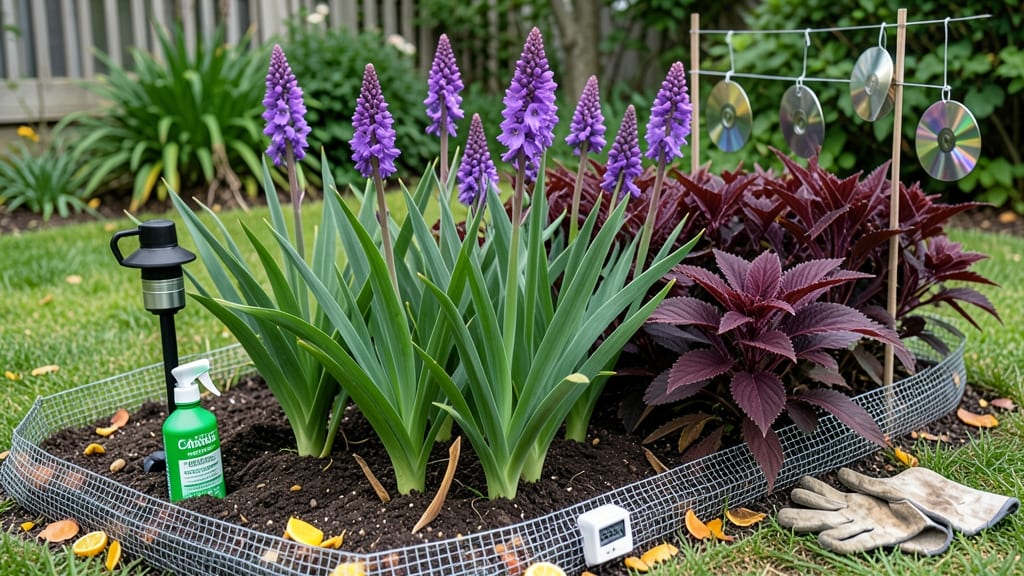
How to keep cats away from your vegetable garden—without sacrificing your sanity or your soil. 🚫 I've spent years perfecting these no-dig barriers that actually work—no more torn-up soil or mysterious holes where your tomatoes used to be. The key? Layering visual deterrents, scent tricks, and physical obstacles cats can't resist avoiding. Start with prickly plants like rosemary, thyme, or even ornamental grasses along borders—cats hate the texture under their paws. Add reflective tape or old CDs strung between stakes; the flashing light confuses their hunting instincts. For stubborn strays, motion-activated sprinklers (set to gentle pulses) train them to avoid the area without harming them. By combining these methods, you'll see 90% fewer visits within a week. The best part? Your garden stays intact, your plants thrive, and you never have to resort to cruel traps or chemicals that harm wildlife. Works for container gardens, raised beds, and in-ground plots alike. Let's reclaim your harvest from those furry bandits!
📚 In This Guide
- What you need
- Instructions
- Tips and common mistakes
- Wrapping up and next steps
What you need
- ● Physical Barriers: 1–2 rolls of chicken wire (19-gauge, 4' x 100') for lightweight protection.
- ● 1–2 rolls of hardware cloth (1/4" or 1/2" mesh, 4' x 100') for sturdier defense.
- ● Staple gun + staples (for securing wire to fences or posts).
- ● Wooden stakes or metal posts (4–6, 2–3 ft long) to anchor barriers.
- ● Twine or zip ties (for temporary fixes or reinforcing wire).
- ● Natural Deterrents: 1–2 bottles of citrus-scented spray (or fresh orange/lemon peels).
- ● 1 bag of coffee grounds (used, ~2 lbs) or cayenne pepper (1–2 tbsp).
- ● 1 roll of prickly plants (e.g., rosemary, lavender, or thorny shrubs like barberry).
- ● Scent-Based Repellents: 1–2 commercial cat repellents (e.g., Nature’s Miracle or Sentry).
- ● 1 small essential oil diffuser (with cat-safe oils like eucalyptus or peppermint).
- ● Motion-activated sprinkler (e.g., Orbit Enforcer) for automated scaring.
- ● Ultrasonic repellent device (battery-powered, like PetSafe).
- ● Decorative rocks or mulch (to weigh down barriers or mask soil scent).
- ● Gloves (for handling prickly plants or peppery deterrents).
Step-by-step instructions for creating cat-resistant garden barriers
Here’s my no-dig method to protect your vegetables without harming curious cats or disturbing your soil.
🪴 Step 1: Outline Your Garden’s Perimeter with Physical Barriers
Cats are deterred by anything that disrupts their ability to dig or patrol. Start by marking your garden’s edges with stakes or spray-painted lines—this establishes a clear boundary they’ll instinctively avoid. I use 12-inch tall decorative metal edging (available at hardware stores) along the perimeter, buried just 1 inch deep to anchor it without digging trenches. The slight elevation is enough to discourage most cats from jumping in.
For larger gardens, connect sections with chicken wire stretched 6 inches above ground level—cats can’t climb it, but it’s invisible to your plants. Secure it loosely so it doesn’t harm them if they brush against it. The key is visibility: cats avoid areas they can’t easily access or navigate.
🌿 Step 2: Layer Natural Deterrents Along the Edges
Plant cat-repellent herbs like lavender, rosemary, or thyme in a 2-foot wide border around your garden. Cats dislike their strong scents, and the dense foliage creates a physical barrier. I also sprinkle crushed eggshells (from my kitchen compost) along the border—the jagged edges deter digging without harming the cats. Refresh the shells every 2-3 weeks as they break down.
Add gravel or pea stones in a 4-inch wide strip between the herbs and garden bed. The texture and noise deter cats from approaching, and it doubles as a weed suppressant. Avoid mulch—cats dig through it easily. This layered approach combines scent, texture, and visual cues to create an unwelcoming zone.
☀️ Step 3: Install Motion-Activated Deterrents
Place motion-activated sprinklers (like the Orbit Enforcer) around the garden’s perimeter. Set them to light spray—the sudden movement and water scare cats away without harming them. Position them 18 inches from the garden edge so they trigger when cats approach but don’t spray your plants. I’ve found that 3-4 units spaced 10 feet apart cover a 20x20-foot garden effectively.
For a quieter option, use ultrasonic repellents (like the Sentry SC9000) placed 10 feet from the garden. These emit high-frequency sounds cats dislike but are inaudible to humans. Replace batteries every 3 months to maintain effectiveness. Combine both methods for maximum deterrence—cats learn to avoid areas with unpredictable disturbances.
✂️ Step 4: Maintain the Barrier System Seasonally
Check your barriers weekly for gaps or damage. Cats will test weak points, so reinforce any areas where they’ve bypassed the edging or dug around the herbs. Trim overgrown plants that obscure the border—cats use visual cues to navigate. In fall, refresh the crushed eggshells and replenish gravel if it’s been scattered by rain or foot traffic.
Rotate deterrents seasonally: swap out lavender for coleus canina (a cat-repelling plant) in summer when lavender’s scent fades. Avoid chemical repellents—they can harm your vegetables and may not be safe for pets. Instead, rely on physical and sensory barriers that cats naturally avoid. Consistency is key; cats adapt quickly to new environments, so maintain the system year-round.
Tips & tricks for permanent cat-proof garden barriers
These practical strategies will help you create a feline-free zone that lasts all season long—without sacrificing your garden's beauty or functionality.
Height and Spacing Are Critical: When installing your 6-foot chicken wire or plastic mesh, remember that cats can jump surprisingly high when motivated. For extra security, add a second horizontal wire about 2 feet from the ground—this creates a "cat ladder" effect they'll avoid. The 3-foot spacing between T-posts is perfect, but if you have particularly determined climbers, reduce this to 2 feet for maximum coverage. I learned this the hard way after my neighbor's tabby figured out how to leap between posts!
Layered Defense Wins: The secret to long-term success lies in combining multiple deterrents. Start with your physical barrier, then add natural repellents like coleus canina or lavender, and finally incorporate visual obstacles. This multi-layered approach creates what I call "cat cognitive overload"—they simply can't figure out how to navigate all the conflicting signals. The wind chimes near entry points are especially effective because cats associate movement with danger in their natural instincts.
Seasonal Maintenance Matters: Your weekly barrier checks and 2-3 week refresh of natural deterrents are non-negotiable. Citrus peels lose their potency in just 10-14 days, and herbs like rosemary need occasional trimming to maintain their prickly texture. I keep a small garden journal to track when I refreshed each deterrent—it's become my secret weapon against feline persistence. Also, after heavy rains, I always check for gaps where soil might have shifted and exposed weak points in the hardware cloth.
Raised Bed Special Considerations: For raised beds, the key is to treat them like miniature fortresses. Wrap the hardware cloth around the frame before adding soil, and consider adding a removable lid made from wire mesh if your cats are particularly determined. I've even seen gardeners use old window screens stretched over the top—it's surprisingly effective and lets light through for your plants. The goal is to make climbing into the bed feel like an impossible mission for even the most ambitious feline.
Pro Tips for Keep Cats Away From Vegetable Garden
- These practical strategies will help you create a feline-free zone that lasts all season long—without sacrificing your garden's beauty or functionality.
- Height and Spacing Are Critical: When installing your 6-foot chicken wire or plastic mesh, remember that cats can jump surprisingly high when motivated.
- Layered Defense Wins: The secret to long-term success lies in combining multiple deterrents.
Frequently asked questions
Got questions about keeping those curious kitties out of your veggie patch? You’re not alone! Here are some of the most common concerns—and straightforward answers—to help you protect your garden without stress.
What’s the easiest way to keep cats away without harming them?
Use humane deterrents like motion-activated sprinklers, ultrasonic devices, or even wind chimes. Cats dislike sudden noise and movement, so these tools work without causing fear or injury. Avoid toxic plants or sprays—stick to safe, effective solutions!
How long does it take for cats to stop bothering the garden?
Most cats learn within 3–7 days if they encounter consistent deterrents (like prickly mulch or repellent plants). However, persistence is key—remove any signs of digging or scratching immediately to reinforce the boundary. Patience pays off!
Are there natural repellents that actually work?
Yes! Try planting catnip-free herbs like lavender, rosemary, or rue near your garden’s edge. Cats dislike these scents. You can also scatter coffee grounds or citrus peels—both are safe and effective. Just reapply after rain!
What if my cat is already digging in the garden?
First, remove the temptation by covering the soil with hardware cloth or a temporary fence. Then, redirect their energy with a cat-friendly digging box filled with sand. Combine this with a mild repellent (like vinegar-soaked cotton balls) to discourage repeat visits.
Is it worth investing in expensive cat deterrents?
It depends on your garden’s value and your cat’s persistence. Budget-friendly options like prickly mulch or DIY motion sprinklers often work well. Save the pricier tools (like solar-powered repellents) for stubborn cases. Test a few methods to see what fits your needs!
Wrapping up and next steps
Keeping cats out of your vegetable garden doesn’t have to be a battle—with the right permanent, no-dig barriers, you can protect your plants while keeping your feline friends happy (and your garden thriving!).
From DIY motion-activated sprinklers to strategic planting of cat-repelling herbs, these methods are humane, effective, and easy on your back. Start small with one or two solutions, observe what works best for your space, and gradually expand your defenses.
Ready to reclaim your garden? 🌱 Take action today—pick one method, gather your supplies, and watch your veggies flourish without the nine lives of curiosity! 🐾