
Lawn
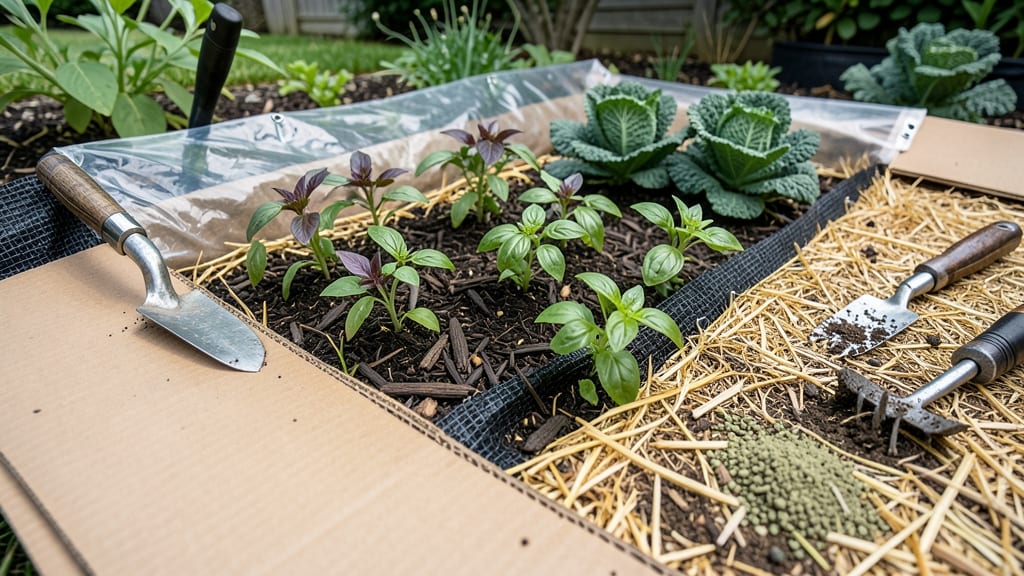
How to keep the grass out of your vegetable garden ruins all the hard work you put into growing food. 🌱 I’ve lost count of how many times I’ve pulled stubborn grass shoots from between my tomato plants—until I discovered this neem oil barrier trick that actually works. The secret isn’t brute force—it’s smothering grass sprouts before they take root. You’ll need neem oil, water, and a spray bottle, plus a little patience. This method doesn’t just kill grass; it preserves soil health while keeping your veggies thriving. By the time your carrots and beans are ready to harvest, the grass will be gone—and your garden beds will stay clean with minimal effort. No more weeding between rows or watching grass outcompete your crops. Works for both new and established gardens, and it’s safe for edible plants once fully absorbed. Here’s how to set it up without the hassle.
📚 In This Guide
- What you need
- Instructions
- Tips and common mistakes
- Wrapping up and next steps
What you need
- ● Neem oil (100% pure, cold-pressed): 1–2 quarts (for a 10x10 ft garden; adjust proportionally for larger areas). Look for Azadirachta indica oil with at least 1% azadirachtin.
- ● Water: 1 gallon (for mixing with neem oil). Use warm water to help emulsify the oil.
- ○ Horticultural oil or liquid soap: 1–2 tbsp (optional but helps the neem oil spread evenly). Choose a plant-safe soap like Castile soap.
- ● Spray bottle or garden sprayer: A 1–3 gallon pump sprayer with a fine-mist nozzle works best for even coverage.
- ○ Plastic sheeting or cardboard: Enough to cover the grassy areas you’re treating (optional for pre-treatment smothering). Use black plastic for best results.
- ● Garden gloves: A pair to protect your hands from the oil.
- ● Pruners or string trimmer: To clear existing grass and weeds before applying the barrier.
- ● Corn gluten meal: 10–20 lbs (sprinkle around garden edges to prevent grass seeds from germinating).
- ● Mulch (straw, wood chips, or grass clippings): 2–3 inches thick to smother grass long-term.
- ● Vinegar (white, 5% acetic acid): 1 cup mixed with 1 gallon of water (for spot-treating stubborn grass patches before neem oil).
- ● Label or marker: To mark treated areas and avoid reapplying neem oil to veggies.
Step-by-Step instructions for creating a neem oil grass barrier
Here's how to smother grass naturally while keeping your vegetable garden thriving.
🌱 Step 1: Clear Existing Grass and Loosen Soil
Start by removing any existing grass or weeds from your garden bed using a hoe or hand-pulling. I like to work on a dry day when the soil is easier to manage. Once the area is clear, loosen the top 2-3 inches of soil with a garden fork or tiller. This creates space for the neem oil barrier to work effectively without competing with grass roots.
If you're working in an established garden, focus on the edges where grass tends to creep in. The goal is to break up the soil without disturbing your vegetable plants too much. You'll know you've done enough when the soil looks crumbly and aerated—like freshly tilled garden soil.
💧 Step 2: Mix Neem Oil Solution
In a 5-gallon bucket, combine 1 cup of neem oil (the active ingredient for smothering grass) with 1 gallon of water. Add 1 tablespoon of liquid dish soap to help the oil emulsify and stick to the soil particles. Stir well until the mixture is uniform—no streaks of oil should remain.
Here's the thing—neem oil works best when it coats the soil surface and prevents grass seeds from germinating. The dish soap ensures the solution clings to the soil rather than beading up and running off. I like to mix this up fresh each time I apply it, as the oil can degrade over time when exposed to air.
☀️ Step 3: Apply the Barrier Layer
Using a watering can or pump sprayer, apply the neem oil mixture evenly across the garden bed, focusing on the top 1-2 inches of soil. You want the soil to look damp but not soggy—think of it like a light rain shower. This layer will create a barrier that smothers grass seeds before they sprout while allowing your vegetables to grow through.
For best results, apply the barrier on a warm, sunny day when the soil is dry. The heat helps the neem oil penetrate the soil more effectively. Avoid applying it right before rain, as the mixture could wash away before it has a chance to work. You'll see the soil darken slightly as the neem oil settles in.
⏰ Step 4: Maintain the Barrier and Monitor Growth
Reapply the neem oil barrier every 2-3 weeks or after heavy rain to keep grass at bay. Over time, you'll notice fewer grass sprouts in your vegetable garden as the barrier disrupts their growth cycle. Your vegetables will continue to thrive because the neem oil is selective—it targets grass seeds and young sprouts while leaving mature plants unharmed.
Watch for any grass that manages to push through the barrier. If you spot a stubborn sprout, pull it immediately before it establishes roots. Consistency is key here—skipping a reapplication can let grass take hold again. Within a few months, you'll have a clean, grass-free garden bed where your vegetables can flourish.
🪴 Step 5: Integrate Mulch for Long-Term Protection
After establishing the neem oil barrier, add a 2-3 inch layer of organic mulch, like straw or shredded leaves, to the garden bed. This mulch layer will suppress any remaining grass seeds while also improving soil health as it breaks down. The mulch works in tandem with the neem oil to create a double barrier against grass invasion.
Keep the mulch layer evenly distributed and replenish it as it decomposes. This step is especially important in the long term, as mulch not only blocks light and smothers grass but also retains moisture and regulates soil temperature—both of which benefit your vegetable plants. You'll know you've done it right when the garden bed looks neat, covered, and ready for planting.
Tips & tricks for natural grass control in vegetable gardens
These practical insights will help you get the most out of your neem oil barrier while keeping your vegetable garden pristine.
Soil Prep Secret: In Step 1, when loosening the top 2-3 inches of soil, focus on breaking up any grass roots you see—even small fragments can regrow. I've found that using a broadfork instead of a tiller gives me more control over soil depth without disturbing deeper layers where vegetable roots thrive. This targeted approach prevents accidental damage to your plants while still creating the ideal environment for the neem barrier to work.
Solution Mixing: When combining the 1 cup neem oil with 1 gallon water in Step 2, stir vigorously for at least 30 seconds until you can no longer see oil streaks. The dish soap is crucial here—it acts as an emulsifier that helps the oil bond with soil particles rather than repel them. I like to shake the bucket gently between stirs to help break up any remaining oil pockets that might form on the surface.
Application Strategy: For Step 3, consider applying the neem solution in two lighter passes rather than one heavy application. This helps ensure even coverage, especially in uneven garden beds. Start from the edges and work inward to prevent missing spots. The goal is to create a consistent dampness throughout the top 1-2 inches—think of it like watering your lawn lightly but thoroughly. This method also helps prevent runoff on sloped areas.
Long-Term Maintenance: In Step 4, mark your calendar for the 2-3 week reapplication schedule using your phone's reminder feature. I've found that setting a recurring reminder right after my first application helps me stay consistent. The key is to apply before you see any grass sprouts—this prevents them from establishing roots. If you notice any stubborn grass pushing through, pull it immediately and spot-treat that area with a little extra neem solution.
Pro Tips for Keep Grass Out Of Vegetable Garden
- These practical insights will help you get the most out of your neem oil barrier while keeping your vegetable garden pristine.
- Soil Prep Secret: In Step 1, when loosening the top 2-3 inches of soil, focus on breaking up any grass roots you see—even small fragments can regrow.
- Solution Mixing: When combining the 1 cup neem oil with 1 gallon water in Step 2, stir vigorously for at least 30 seconds until you can no longer see oil streaks.
Frequently asked questions
Got questions about keeping grass at bay while nurturing your veggies? Here are some common ones—and their answers!
What’s the best time of year to apply a neem oil barrier?
Apply neem oil in early spring (before grass seeds germinate) or late summer/early fall (to prevent winter weeds). Avoid extreme heat—ideal temps are 60–85°F (15–29°C). Reapply after heavy rain or if grass starts creeping back.
How often should I reapply neem oil to stop grass?
Reapply every 4–6 weeks during growing seasons (spring/fall) or after rain washes it away. For stubborn grass, spot-treat areas with a higher concentration (2–3%) and monitor weekly until growth stops. Consistency is key!
Will neem oil harm my vegetables if I spray nearby?
Neem oil is organic and non-toxic to veggies when used correctly—but avoid direct contact with leaves or flowers. Apply only to soil around plants (not stems/foliage) and water plants 24 hours before spraying to prevent residue buildup.
What if grass keeps growing back after treatment?
Persistent grass may mean roots are deep or seeds are still dormant. Try these fixes:
- Double-layer barrier: Add cardboard or newspaper under mulch for extra smothering.
- Vinegar boost: Mix 1 gallon vinegar + 1 tbsp dish soap and spray grassy spots (avoid veggies!).
- Hand-pull: Remove regrowth early to starve roots.
Are there non-neem alternatives to block grass?
Yes! Try these natural barriers:
- Corn gluten meal: Sprinkle 20 lbs per 100 sq ft in early spring (also fertilizes soil).
- Salt barrier (caution!): Use coarse rock salt in a thin line—only for non-edible areas (avoid veggie beds).
- Landscape fabric: Bury black fabric under mulch (remove before planting).
Wrapping up and next steps
Keeping grass at bay in your vegetable garden doesn’t have to be a battle—with a little effort and the right natural methods, you can create a thriving space for your veggies to grow!
A neem oil barrier is a simple, eco-friendly way to smother grass sprouts while nourishing your soil. Remember, consistency is key, so stay vigilant and enjoy the satisfaction of a grass-free, lush garden.
Now that you’re armed with the know-how, why not take the next step? Grab your supplies, roll up your sleeves, and give your garden the care it deserves. Happy gardening! 🌱✨