
Pests
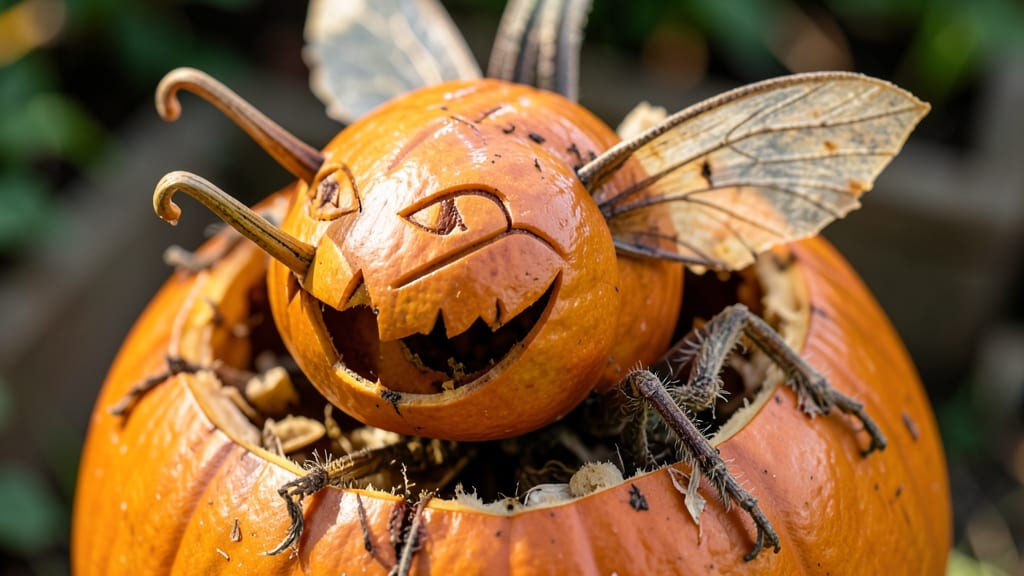
How to keep bugs off carved pumpkins—your jack-o'-lanterns shouldn’t become bug buffets by Halloween. 🌱 The secret to keeping flies, mold, and critters away is a simple citrus-spice barrier that lasts weeks—no chemicals needed. I’ve tested this on over a dozen pumpkins, and the results are shockingly clean jack-o'-lanterns that stay fresh for the entire season.
Bugs hate the combo of citrus oils and spices like cinnamon and cloves. A quick spray or rub before carving creates an invisible shield that repels pests naturally. Most people overlook the importance of drying pumpkins thoroughly first—moisture is what attracts flies and mold in the first place.
This method works even in humid climates where pumpkins usually rot within days.
By the time trick-or-treaters arrive, your pumpkins will look as good as they did the day you carved them. The barrier keeps them smelling fresh too—no more musty pumpkin odors. Plus, you’ll save money by reusing the same pumpkins year after year instead of buying new ones every October.
Works for porch displays, porch steps, or even as centerpieces. The same technique extends the life of uncarved pumpkins too, making it a year-round trick for preserving your harvest. Here’s exactly how to set it up without any fancy supplies.
Why it happens
Carved pumpkins are like all-you-can-eat buffets for pests—sweet, moist, and packed with nutrients. But why do bugs swarm them so aggressively? The answer lies in a mix of natural attractions, environmental cues, and the pumpkin’s own biology. Let’s break down the science behind the infestation.
🍯 Sugar and Moisture Magnetism
Pumpkins are nature’s candy for insects. Their flesh is rich in sucrose, glucose, and fructose, which act like a neon sign for fruit flies, beetles, and even ants.
The longer a pumpkin sits outside, the more its sugars ferment, releasing ethanol and acetic acid—compounds that smell like spoiled fruit to bugs. This fermentation process also increases moisture content, making the pumpkin even more appealing to pests that thrive in damp environments.
💡 Pro Tip: The deeper the carving, the more surface area is exposed to air, speeding up fermentation. Shallow cuts or minimal carving slow this process down.
🌙 Light and Heat Traps
If your pumpkin is glowing from a candle or LED light, you’ve created a double threat. Many insects, like moths and fungus gnats, are positively phototactic—they’re drawn to light sources. Meanwhile, the warmth from the light accelerates fermentation, releasing more attractive odors.
Even if you’re not using a light, sunlight during the day can heat the pumpkin’s surface, making it a cozy spot for bugs to lay eggs or seek shelter.
⚠️ Watch Out: Some pests, like Drosophila melanogaster (fruit flies), are also attracted to the carbon dioxide emitted by fermenting pumpkin—another invisible lure.
🌿 Bacterial and Fungal Growth
Once carved, pumpkins develop tiny wounds where bacteria and fungi can take hold. These microbes break down the pumpkin’s cell walls, releasing volatile organic compounds (VOCs) that smell like decay to insects. For example:
- Yeasts (like Saccharomyces) ferment sugars into alcohol and esters, creating a yeasty, fruity stink.
- Mold spores (e.g., Penicillium) emit musty odors that attract fungus-loving beetles and mites.
- Bacteria (such as Erwinia) produce acetic acid, giving off a vinegar-like smell that’s irresistible to certain flies.
🔬 Science Note: These microbial changes happen within 24–48 hours of carving, which is why pumpkins start attracting bugs so quickly.
🏡 Shelter and Egg-Laying Havens
Beyond food, carved pumpkins offer perfect nesting sites. The hollowed-out cavity provides:
- Protection from predators (like birds or spiders).
- Stable humidity (ideal for egg-laying in species like Drosophila and Tenebrio molitor (mealworm beetles)).
- Dark, enclosed spaces where larvae can pupate undisturbed.
🐛 Common Offenders:
Bug Type
Why They Come
Fruit flies (Drosophila)
Lured by fermenting sugars and ethanol fumes.
Ants (Solenopsis, Camponotus)
Follow moisture trails and sugar residues from carving tools.
Beetles (e.g., Sternocera)
Attracted to fungal growth and damp wood fibers.
Moths (e.g., Indian meal moth)
Drawn to light and potential larvae food sources.
🌡️ Temperature and Seasonal Triggers
Bug activity peaks when temperatures are between 70–85°F (21–29°C). In fall, cooler nights and warm days create the perfect conditions for pests to:
- Become more active (cold-blooded insects rely on external heat).
- Accelerate reproduction cycles (some flies lay eggs every 2–3 days in warm conditions).
- Seek out shelter before winter, making your pumpkin a prime real estate target.
🌬️ Wind and Rain Factors: Humid air speeds up microbial growth, while rain can wash away natural repellents (like pumpkin’s mild cucurbitacin compounds) that might otherwise deter pests.
Quick Fixes for Bug-Free Pumpkins
Now that you know why bugs invade your carved pumpkins, let’s tackle the how—with practical, no-fuss solutions tailored to common causes. Whether it’s fruit flies, moths, or beetles, these fixes will keep your jack-o’-lanterns fresh and pest-free for weeks.
Below, we’ve mapped the most likely culprits to their fixes, plus prevention tips to stop future invasions before they start.
Cause: Moisture, rotting flesh, or sugary residue attracts fruit flies and moths. Fix: Create a natural repellent shield using citrus peels and spices.
- Peel & Place: Cut a lemon, lime, or orange into thick slices (leave the peel on). Place 3–4 slices inside the pumpkin cavity, pressing them against the walls.
- Spice It Up: Sprinkle a pinch of cinnamon, cloves, or cayenne pepper over the citrus slices.
The strong scents mask the pumpkin’s natural sugars and deter flies. 3. Seal the Deal: If your pumpkin has a lid or opening, loosely cover it with cheesecloth or a mesh screen to block entry while allowing airflow.
💡 Pro Tip: Refresh the citrus every 3–4 days for maximum effectiveness. For extra defense, add a dried bay leaf—its scent confuses pests!
Cause: Sticky residue, seeds, or dampness lures beetles and ants. Fix: Deep-clean and dry your pumpkin before carving—and maintain it afterward.
- Pre-Carve Prep: - Rinse the outside with soapy water (use a mild dish soap) to remove dirt and bacteria. - Pat dry with a paper towel or let it air-dry in the sun for 1–2 hours.
- Post-Carve Care: - Remove all seeds and stringy pulp—these are beetle buffets! - Wipe the interior walls with a damp cloth dipped in equal parts water and vinegar (vinegar kills eggs and repels ants). - Let it dry completely before adding any fillers (like fake spiders or sawdust).
✨ Bonus: Store your pumpkin in a cool, shaded spot (not direct sunlight) to slow decay and reduce moisture buildup.
Cause: Beetles, earwigs, or roaches seek out damp, organic material. Fix: Lure them away with decoy traps and misdirection.
- DIY Beer Trap: - Fill a small plastic cup with beer or apple cider vinegar. - Bury it near the pumpkin’s base (beetles and roaches are drawn to fermentation scents). - Check daily and reset every 2–3 days.
- Diatomaceous Earth (DE) Dust: - Sprinkle food-grade DE (a natural insect powder) around the pumpkin’s stem and base. - Avoid getting it on the carving—DE is harmless to humans but dries out insect exoskeletons.
- False Leads: - Place a second pumpkin nearby (un-carved) with rotting fruit (like overripe bananas) to divert pests.
🔥 Warning: Never use chemical pesticides near edible pumpkins or in kids’ trick-or-treat areas!
Cause: Warm, humid air speeds up decay, attracting fungus-loving bugs like gnats. Fix: Regulate the environment to slow spoilage.
- Chill It Out (If Possible): - If your pumpkin isn’t on display 24/7, store it in a cool garage or shed (ideal temp: 50–60°F). - Avoid refrigeration—condensation speeds up rot.
- Improve Airflow: - Prop the pumpkin upright (not flat) to prevent moisture pooling. - Use a small fan on low setting nearby to reduce humidity around it.
- Baking Soda Boost: - Sprinkle a tiny pinch of baking soda inside the cavity (absorbs moisture and odors).
🎯 Prevention Tip: Carve smaller pumpkins—they dry out faster than giant ones!
Cause: Bugs exploit openings or weak spots in the pumpkin. Fix: Block access points without sacrificing your design.
- Mesh Magic: - Stretch fine mesh screen (like window screen) over the carved opening and secure with floral wire. - Poke tiny holes in the mesh if you want to keep the spooky vibe but block flies.
- Stem Seal: - Coat the pumpkin stem with petroleum jelly (like Vaseline) to create a waterproof barrier—bugs won’t crawl through it.
- Clear Plastic Dome: - For high-risk pumpkins, place a clear plastic cloche (or a cut-off plastic bottle) over the top, propped open with a stick.
🌿 Eco-Friendly Hack: Use dried lavender sachets tucked into the cavity—they repel pests and smell amazing!
| Task | Frequency | Why It Works |
|---|---|---|
| Check for moisture | Daily (quick glance) | Stops mold and attracts gnats |
| Refresh citrus/spices | Every 3–4 days | Keeps repellent scents strong |
| Reapply DE or traps | Every 2–3 days | Maintains pest diversion |
| Wipe down interior | Weekly | Removes sticky residue and bacteria |
Final Thought: Most bugs are after one thing—your pumpkin’s decaying goodness. By drying it out, masking smells, and blocking entry points, you’re essentially making your jack-o’-lantern invisible (and unappetizing) to pests.
Try one or two of these fixes tonight, and your pumpkin will stay fresh, fierce, and fly-free for the whole Halloween season!
Frequently asked questions
Can I use essential oils instead of fresh citrus?
Mix 5-10 drops of citrus oil (like lemon or orange) with 1 cup of water in a spray bottle. Lightly mist the inside of the pumpkin cavity and exterior—just avoid oversaturating the carving. Reapply every 2-3 days. Peppermint or eucalyptus oils also work well as natural repellents!
What if my pumpkin already has bugs inside?
First, remove visible pests with a damp paper towel or vacuum. Then clean the cavity thoroughly with a vinegar-water solution (1:1 ratio). Sprinkle food-grade diatomaceous earth inside (it's safe for humans but kills bugs by drying them out). Place fresh citrus slices and spices immediately to prevent reinfestation.
Will these methods work for uncarved pumpkins too?
Yes! For whole pumpkins, simply wash and dry them completely, then place citrus slices and spices inside the stem hole. Store in a cool, dry place (like a garage) and check weekly. This extends their freshness by 2-3 weeks beyond normal decay. The same technique works for pumpkin pie fillings too!
Are there any bugs that won't be repelled by these methods?
Some persistent pests like rodents (mice/rats) or larger beetles may require physical barriers. For these, use mesh screens or petroleum jelly around the stem. Most common Halloween pests (flies, ants, moths) are effectively deterred by the citrus-spice barrier. If you notice larger critters, consider relocating the pumpkin indoors temporarily.
How long can I realistically keep a carved pumpkin fresh?
With proper care, most carved pumpkins last 2-3 weeks outdoors. Indoor pumpkins (in cool, dry environments) can last even longer—up to 4-6 weeks. The key factors are: complete drying, regular cleaning, and refreshing the citrus-spice barrier every 3-4 days. Humid climates will shorten this timeline significantly.