
How To
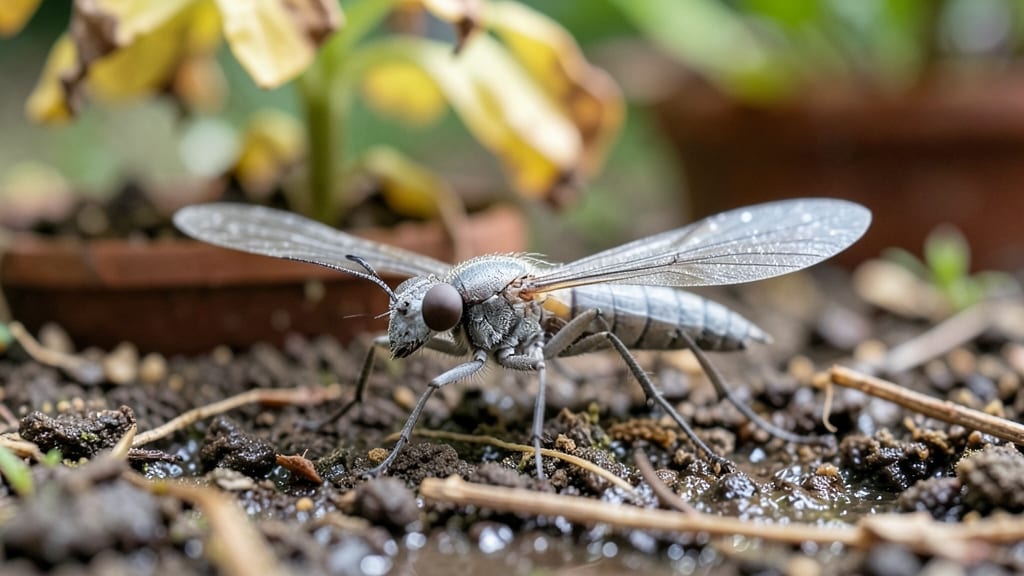
How to get rid of fungus gnats outside—those pesky pests are wreaking havoc on your garden beds before you even realize it. 🌱 I’ve battled them for years, and this neem oil barrier method stops them within days—no more tiny black flies hovering over seedlings or wilting roots. The secret? A preventive spray that disrupts their life cycle while being safe for plants and pollinators. You’ll need neem oil, water, and a spray bottle—simple tools for a fast, organic solution that works in both containers and garden soil. Once applied, you’ll see fewer gnats within 3-5 days, and your plants will thrive without the stress of root damage. The barrier lasts 2-3 weeks, so repeat as needed for long-term control. Best part? This method works year-round, whether you’re dealing with spring seedlings or summer blooms. Let’s get those gnats under control for good!
Root Causes of Outdoor Fungus Gnats
Fungus gnats aren’t just an indoor nuisance—they thrive outside too, and understanding why they show up in your yard, garden, or potted plants is the first step to stopping them.
These tiny, dark-winged pests are drawn to specific conditions that create the perfect breeding ground. Let’s break down the science behind their outdoor invasion.
Fungus gnats lay their eggs in damp, decaying organic material because their larvae need moisture to survive.
In outdoor settings, this often means: - Poor drainage in garden beds or potted plants, where water pools and creates soggy conditions. - Compost piles or mulch that hasn’t fully decomposed—these act like all-you-can-eat buffets for gnat larvae. - Leaf litter or grass clippings left to rot, trapping moisture and organic debris.
Why it matters: The larvae feed on fungi and bacteria in this environment, and the adults emerge when the soil dries slightly—often right when you’re trying to enjoy your outdoor space.
Fungus gnats love moisture, and overwatering—whether from hoses, sprinklers, or even rain—can turn your yard into a gnat paradise.
Key triggers include: - Automatic sprinklers that keep soil consistently damp for long periods. - Drip irrigation that doesn’t allow soil to dry between waterings. - Shady, low-lying areas where water sits longer due to poor evaporation.
Why it matters: The larvae thrive in soil with a moisture content above 30%. If your garden stays too wet, you’ll see gnats swarming within days.
Fungus gnats target stressed or dying plants because their larvae feed on fungi that grow in decaying roots and stems.
Common outdoor culprits: - Dead or dying plants left in garden beds (e.g., fallen leaves, rotting bulbs). - Overcrowded gardens where poor airflow leads to fungal growth. - Freshly tilled soil that disturbs fungal networks, prompting gnats to reproduce.
Why it matters: The more organic decay in your soil, the more fungi grow—and the more gnats will flock to lay eggs there.
Fungus gnats are most active in warm (70–80°F) and humid environments. Outdoor outbreaks spike when:
- Summer heat combines with high humidity, creating ideal breeding conditions.
- Afternoon rains temporarily raise soil moisture before drying out.
- Greenhouses or shaded areas trap heat and moisture, accelerating their lifecycle.
Why it matters: These pests complete their lifecycle in 10–14 days under perfect conditions, leading to rapid infestations.
Outdoor ecosystems naturally regulate fungus gnat populations through predators like:
- Ground beetles (which eat larvae).
- Spiders and predatory mites (which catch adults).
- Birds and bats (which snack on flying gnats).
Why it matters: If your yard lacks biodiversity (e.g., due to pesticides or monoculture gardening), gnat populations can explode unchecked.
Sometimes, we accidentally create gnat hotspots. Examples:
- Using fresh manure or compost that hasn’t fully broken down.
- Planting fungus-loving crops (e.g., mushrooms, certain ferns) near gardens.
- Ignoring standing water in birdbaths, gutters, or clogged drains (which attracts adults).
Why it matters: These actions directly provide food, shelter, or breeding sites for gnats.
Fungus gnats don’t just stay put—they hitchhike on:
- Wind currents, carrying adults to new areas.
- Wildlife (e.g., birds, squirrels) that move infested soil or mulch.
- Garden tools or shoes, transporting larvae between plants.
Why it matters: One infested plant can quickly become a neighborhood-wide problem if left unchecked.
Key Takeaway: Fungus gnats outside are a symptom of too much moisture + organic decay + warmth. The good news? Fixing these conditions (drainage, watering habits, plant health) can drastically reduce their numbers—often before they even become a visible problem. 🌱💦
Quick Fixes for Outdoor Fungus Gnat Havoc
Fungus gnats outside aren’t just a nuisance—they can wreak havoc on your garden, lawn, and outdoor plants if left unchecked. The good news? With the right strategies, you can eliminate them fast and keep them from returning.
Below, we’ve mapped out targeted solutions based on the root causes (like overwatering, decaying organic matter, or poor drainage) and paired them with prevention tips to lock in long-term results.
If your yard or garden stays soggy, fungus gnats thrive in the moisture. Drainage is key—these pests love wet, oxygen-deprived soil where their larvae can feast on decomposing plant matter.
How to Fix It:
- 🔥 Improve Drainage Immediately
- Dig small trenches or add gravel, sand, or perlite to heavy clay soil to help water drain faster.
- For potted plants outside, ensure pots have drainage holes and elevate them slightly to prevent water pooling.
- Pro Tip: 💡 If you have a low-lying area, consider French drains or redirecting downspouts away from plant beds.
- ⏰ Adjust Your Watering Schedule
- Water deeply but less frequently—fungus gnats prefer surface moisture. Aim for 1-2 inches of water per week (including rain) and water in the early morning so soil dries faster.
- Avoid overhead watering (like sprinklers), which keeps foliage damp—gnats love this too!
- 🍳 Use a Natural Drying Agent
- Sprinkle dry sand or coconut coir over moist soil to absorb excess water and deter larvae.
- For potted plants, mix vermiculite or horticultural charcoal into the soil to improve aeration.
Prevention: ✨ Mulch Smartly – Use straw or wood chips (not thick layers of organic mulch), as they break down slowly and don’t create a gnat-friendly wet zone.
Fungus gnats lay eggs in rotting leaves, compost piles, and dead plant debris. If your yard has piles of organic waste, it’s an all-you-can-eat buffet for these pests.
How to Fix It:
- 👨🍳 Clear Out Debris ASAP
- Rake up fallen leaves, dead plants, and grass clippings from flower beds, lawn edges, and under shrubs.
- Compost piles? Turn them frequently and keep them dry—gnats hate well-aerated, less-moist compost.
- 🔪 Remove Problem Plants
- If certain plants (like ferns, ivy, or overwatered succulents) are chronically infested, consider replacing them with drought-tolerant varieties (e.g., lavender, rosemary, or sedum).
- 🌡️ Boost Soil Health
- Add beneficial microbes (like mycorrhizal fungi) to outcompete gnat larvae. These microbes improve root health and reduce organic buildup.
Prevention: 🎯 Keep Your Yard Tidy – Schedule a weekly 10-minute cleanup to remove any new debris before it becomes a gnat magnet.
A thick layer of thatch (dead grass and roots) in your lawn traps moisture and organic matter—perfect for fungus gnat larvae.
How to Fix It:
- 🔪 Dethatch Your Lawn
- Use a manual thatching rake or rent a power dethatcher to remove ½-inch or less of thatch.
- Best time? Late spring or early fall when grass is actively growing.
- 🍳 Aerate Compacted Soil
- Compacted lawns don’t drain well. Core aeration (pulling small plugs of soil) helps water and air penetrate.
- DIY hack: Rent an aerator or use a garden fork to poke holes every 3-4 inches.
- 🌱 Overseed Bare Spots
- Thin or bare patches in your lawn invite gnats. Overseed with grasses like tall fescue or perennial ryegrass for a dense, healthy turf.
Prevention: 💡 Mow High & Leave Clippings – Set your mower to 3-4 inches and bag clippings to reduce organic buildup.
Neem oil is a powerhouse for fungus gnats—it smothers larvae, repels adults, and disrupts their life cycle without harsh chemicals.
How to Fix It:
- 🍳 Mix Your Spray
- 1 tsp neem oil + 1 tsp mild soap (like castile) + 1 quart of water.
- Optional boost: Add 1 tsp garlic oil for extra pest-repelling power.
- 👨🍳 Apply Strategically
- Spray soil surface (not plants) around infested areas, garden beds, and lawn edges.
- Reapply every 5-7 days or after rain.
- 🌡️ Use as a Soil Drench
- For severe infestations, pour the mixture directly into the soil around roots. This targets larvae before they hatch.
Prevention: ✨ Pre-Treat High-Risk Zones – Spray neem oil + water (no soap) monthly in spring and fall to prevent gnats from moving in.
Let Mother Nature do the work! Beneficial insects and microbes devour fungus gnat larvae before they become a problem.
How to Fix It:
- 🐞 Add Nematodes (Best Defense!)
- Steinernema feltiae nematodes hunt and kill gnat larvae in soil.
- How to use: Apply 1-2 million nematodes per 100 sq ft in the early evening (they die in sunlight). Water lightly after.
- 🐝 Encourage Ground Beetles & Spiders
- These predators love eating gnat larvae. Plant native flowers (like dill, yarrow, or marigolds) to attract them.
- 🍄 Use Beneficial Fungi (Like Beauveria bassiana)
- Sprinkle
Prevention: 🎯 Plant a "Predator Garden" – Dedicate a small corner of your yard to pollinator-friendly plants to keep beneficial insects thriving year-round.
If gnats are out of control, insecticidal soap or pyrethrin-based sprays can help—but they’re not long-term fixes and can harm beneficial insects.
How to Fix It:
- 💦 Spray Insecticidal Soap
- Mix
- Best time: Early morning or late evening when gnats are most active.
Prevention: 💡 Rotate Methods – If you use chemicals, combine them with neem oil or nematodes to avoid resistance and protect your ecosystem.
| Problem | Fast Fix | Prevention Tip |
|---|---|---|
| Overwatered soil | Improve drainage + adjust watering | Mulch with straw, not thick organic |
| Decaying organic matter | Clear debris + turn compost | Weekly cleanup + aerate compost |
| Thatchy lawn | Dethatch + aerate | Mow high, overseed bare spots |
| Adult gnats flying around | Neem oil spray + nematodes | Monthly neem barrier in spring/fall |
| Severe infestation | Insecticidal soap + predator plants | Plant
Frequently asked questions
Why do fungus gnats suddenly appear in my garden when I haven’t changed anything?
These pests thrive in warm, humid conditions—perfect for their 10-14 day lifecycle. Even small changes like recent rains, increased mulch decomposition, or new organic matter (like fallen leaves) can trigger an outbreak. Check for damp soil or decaying plant debris first—those are their breeding grounds.
Will neem oil harm my plants or beneficial insects if used outdoors?
When used correctly, neem oil is plant-safe and targets only fungus gnats. The key is dilution: use 1 tsp neem oil + 1 tsp mild soap per quart of water and apply to soil (not foliage). Avoid spraying flowering plants during pollinator hours to protect bees—always apply in the evening.
How long does it take to see results from natural treatments like nematodes?
With beneficial nematodes, you’ll typically see a 30-50% reduction in gnats within 3-5 days as they hunt larvae. For full eradication, apply them twice—once at dusk and again 7 days later. Combine with neem oil for faster results, especially in severe cases.
Can I use the same methods for fungus gnats in potted plants vs. garden beds?
Yes, but adjust the approach! For pots, focus on drainage fixes (elevate pots, add perlite) and soil drenches with neem oil. Garden beds need broader solutions: improve drainage, remove thatch, and apply nematodes to larger areas. The core principles (reduce moisture + organic decay) apply everywhere.
What’s the fastest way to stop gnats from swarming around my outdoor lights at night?
For immediate relief, switch to yellow bug lights (gnats are less attracted) or use a fan near light sources to disrupt their flight. Long-term, treat the soil with neem oil or nematodes—adult gnats can’t survive without larvae in the ground to reproduce.