
Companion Plants
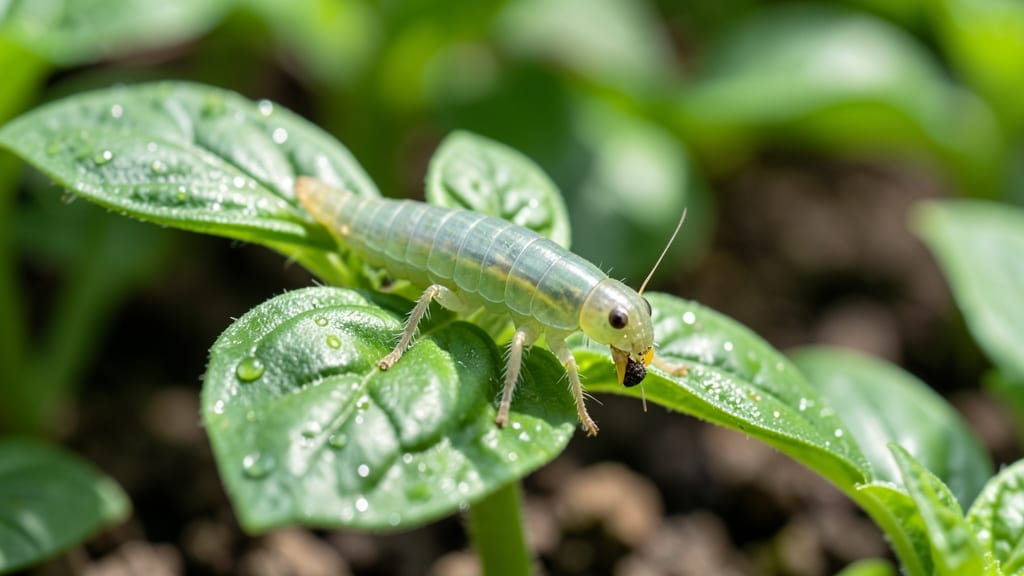
How to keep bugs off basil plants—it’s the secret to summer cooking without pests. That first aphid invasion on my potted basil nearly ruined my summer cooking—until I discovered a neem oil barrier that works like a force field against pests. No more sticky leaves or wilting plants; just healthy, fragrant basil that thrives without chemicals.
The real secret isn’t just the neem oil—it’s the three-step routine that keeps pests from returning.
First, you clean up fallen leaves (where bugs hide), then you spray a diluted neem solution every 7-10 days, and finally, you plant basil with its best friends—marigolds and nasturtiums—to confuse insects naturally. Most gardeners miss the companion planting part, but it’s what makes the difference.
By the end of summer, your basil will be thriving, not just surviving. You’ll snip fresh leaves for pesto without worrying about aphids crawling onto your plate. The plants stay lush, the scent is stronger, and the pests? They give up and move on to someone else’s garden.
Works for container basil, in-ground plants, or even window-sill pots. The same method stops whiteflies, spider mites, and even those pesky basil borers. Here’s exactly how to set it up—no guesswork, just results.
Root Causes of Basil Bugs
Basil plants may seem like a low-maintenance herb, but pests love their tender leaves and aromatic oils. Understanding why bugs target your basil is the first step to keeping them at bay. Here’s a breakdown of the most common culprits and the science behind their attraction.
Basil thrives in well-spaced, healthy conditions, but when plants are crowded or stressed, they become prime targets for pests. Here’s why:
- Weakened defenses: Overcrowding reduces airflow, creating a humid microclimate that attracts pests like aphids and spider mites. Stressed plants (from drought, poor soil, or nutrient deficiencies) produce less volatile oils, which are the natural repellents basil relies on.
- Nutrient competition: When basil fights for resources, its leaves become softer and more palatable to chewing insects like cabbage worms or slugs.
- Root stress signals: Damaged roots release chemical signals that attract predatory insects seeking an easy meal.
💡 Pro Tip: Prune basil regularly to encourage airflow and harvest leaves before flowers form—flowering basil loses its pungent aroma, making it less pest-resistant.
Basil prefers well-draining, fertile soil with a slightly acidic to neutral pH (6.0–7.0). When soil conditions are off, pests move in:
| Issue | Why Bugs Love It | Common Pests |
|---|---|---|
| Compacted or waterlogged soil | Lack of oxygen stresses roots, making plants more susceptible to fungal diseases (like downy mildew), which in turn attract sap-sucking insects. | Aphids, whiteflies |
| Excess nitrogen (over-fertilizing) | Soft, fast-growing leaves are easier for chewers to digest. Nitrogen-heavy plants also produce less essential oils, reducing natural pest resistance. | Cabbage worms, slugs |
| Low organic matter | Poor soil lacks beneficial microbes that suppress pest populations naturally. Weak plants can’t fend off attacks. | Spider mites, thrips |
🔥 Action Step: Test your soil and amend it with compost or aged manure. Avoid synthetic fertilizers—opt for balanced, organic options like fish emulsion or worm castings.
Basil’s natural habitat is the Mediterranean, where it’s adapted to warm, sunny conditions. When environmental factors stray from this ideal, pests take advantage:
- High humidity: Moisture-loving pests like whiteflies and fungus gnats thrive in stagnant air. Basil leaves trap water, creating a perfect breeding ground.
- Extreme heat or drought: Under stress, basil produces more sugars in its leaves, making them sweeter—and more attractive—to sap-sucking insects like aphids.
- Shade or poor sunlight: Weak, leggy basil grows slowly and sparsely, leaving gaps for pests to hide and multiply. Direct sunlight helps basil produce more essential oils, which repel bugs naturally.
🌡️ Climate Hack: Space plants 12–18 inches apart for airflow and water at the base (not overhead) to avoid fungal issues. If humidity is high, use a fan to circulate air.
While basil’s aroma repels some pests, its sweet, fragrant oils actually attract others. Here’s the science:
- Volatile oils (eugenol, linalool): These compounds repel many insects but also attract parasitic wasps, which lay eggs in soft-bodied pests like aphids. While beneficial, these wasps can signal an existing infestation.
- Nectar-rich flowers: Once basil bolts (sends up flowers), it produces sweet nectar that lures bees, wasps, and flies—some of which may bring pest eggs or larvae.
- Soft new growth: Young, tender leaves are high in water content, making them a favorite snack for chewing insects like flea beetles.
✨ Prevention Tip: Pinch off flower buds early to delay bolting. Harvest leaves frequently to encourage busy, pest-resistant growth.
By addressing these root causes—stress, soil health, environment, and plant biology—you’ll create an unwelcoming habitat for pests. The next step? Natural defenses like neem oil to keep your basil thriving.
Quick Fixes for Basil Bug Battles
When pests invade your basil patch, acting fast is key—but don’t panic! With a few targeted strategies, you can reclaim your fragrant herb garden without harsh chemicals. Below, we map the most common basil bugs to their best fixes, plus proactive steps to keep them away for good.
Fix: These sap-sucking pests cluster on new growth, leaving sticky residue. Here’s how to evict them:
- Blast them off 💦: Spray aphids directly with a strong stream of water (morning or evening works best). Repeat every 2–3 days until gone.
- Neem oil spray 🌿: Mix 1 tbsp neem oil + 1 tsp mild soap + 1 quart water. Spray undersides of leaves where aphids hide. Reapply after rain.
- Introduce ladybugs 🐞: Release beneficial insects (available at garden centers) to feast on aphids naturally.
Prevention:
- Companion plant with marigolds or chives—their scent repels aphids.
- Prune regularly to remove crowded leaves where aphids thrive.
Fix: These tiny red/yellow pests spin webs and suck plant juices, causing yellowing leaves.
- Wipe them down 🧽: Dampen a cloth with rubbing alcohol (70% isopropyl) and gently rub leaves to kill mites on contact.
- Hose them off 💦: A strong spray of water disrupts their webs and washes them away. Do this daily for 3–5 days.
- Neem oil treatment 🌿: Spray neem oil weekly until mites disappear (they hate it!).
Prevention:
- Keep humidity high (mites love dry air)—mulch soil to retain moisture.
- Avoid over-fertilizing (excess nitrogen attracts mites).
Fix: These white, moth-like bugs flutter above leaves and excrete sticky honeydew.
- Yellow sticky traps 🎣: Hang yellow cards coated with petroleum jelly near plants to trap adults.
- Soapy water spray 🧼: Mix 1 tsp dish soap + 1 quart water and spray directly on leaves (avoid flowers).
- Neem oil barrier 🌿: Apply neem oil every 5–7 days to disrupt their life cycle.
Prevention:
- Check new plants before bringing them indoors—whiteflies hitchhike easily.
- Encourage wasps (like Encarsia formosa)—they’re natural predators!
Fix: These metallic-green beetles skeletonize leaves in hours.
- Handpick them 👨🍳: Drop beetles into soapy water (they drown instantly). Do this in the early morning.
- Neem oil spray 🌿: Apply neem oil every 3–4 days—it disrupts their feeding.
- Milky spore treatment 🌱: For severe infestations, apply milky spore powder (a natural bacteria) to soil.
Prevention:
- Plant trap crops like roses or grapes—they lure beetles away from basil.
- Avoid overwatering (beetles love moist soil).
Fix: These slimy pests leave irregular holes in leaves overnight.
- Beer traps 🍺: Bury a shallow dish filled with beer near plants—slugs crawl in and drown.
- Copper tape barrier ⚡: Wrap copper tape around pots or garden edges—it gives them a mild electric shock.
- Diatomaceous earth 🪨: Sprinkle food-grade DE around plants (reapply after rain).
Prevention:
- Water in the morning (slugs hide during the day).
- Remove hiding spots like boards or thick mulch.
💡 Pro Tip: For all pests, rotate methods to prevent resistance. Neem oil, for example, works best when alternated with soapy water or beneficial insects.
With these fixes, your basil will bounce back faster than you think—and you’ll enjoy pest-free harvests all season! 🌿🍃
Frequently asked questions
What’s the fastest way to get rid of aphids on my basil?
Spray them directly with a strong stream of water in the morning or evening—aphids hate this! For stubborn clusters, mix 1 tbsp neem oil + 1 tsp mild soap + 1 quart water and spray the undersides of leaves where they hide. Repeat every 2-3 days until gone.
Can I use neem oil on basil if I’m harvesting leaves soon?
Wait 24-48 hours after applying neem oil before harvesting. The oil is safe once fully rinsed off, but it’s best to avoid eating leaves treated with it. For immediate harvests, opt for soapy water (1 tsp dish soap + 1 quart water) instead—it’s gentler and washes off completely.
Why do my basil plants keep getting spider mites even after treatment?
Spider mites thrive in dry, hot conditions—they love dusty leaves and low humidity. Increase airflow with a fan, mulch soil to retain moisture, and avoid over-fertilizing (excess nitrogen attracts them). Rotate treatments: alternate neem oil with rubbing alcohol wipes (70% isopropyl) on leaves.
Are there any companion plants that actually work for basil?
Yes! Plant marigolds nearby—their strong scent repels aphids and whiteflies. Chives and nasturtiums also deter pests while adding color. Avoid planting basil near fennel or rue, which can stunt its growth.
How often should I check my basil for pests?
Inspect leaves every 3-4 days, especially the undersides where pests hide. Early detection is key—catching aphids or mites before they spread means less work later. If you see sticky residue (honeydew), act immediately with soapy water or neem oil.