
Pests
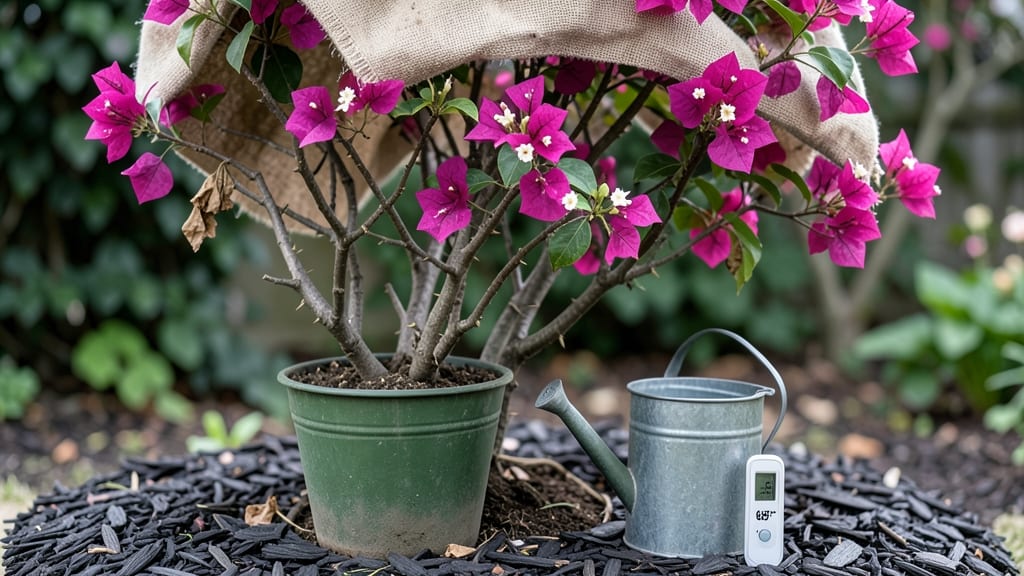
How to keep bougainvillea alive in winter—that’s the trick I’ve mastered after years of frost-killed blooms. 🌿 I’ve lost count of how many times frost turned my vibrant purple blooms into crispy brown sticks, but this year, I’m doing things differently. The secret isn’t complicated: it’s about timing, protection, and a few smart adjustments that keep your plant alive until spring.
Most people wait until frost hits to panic, but the real work starts in late fall. Prune back one-third of the plant to reduce stress, wrap the base with burlap or frost cloth, and move potted plants to a sheltered spot—like a garage or under a porch roof.
The goal? Keep roots from freezing while letting the plant rest without drowning in moisture.
Watering becomes an art in winter: too much and roots rot; too little and branches dry out. Aim for every 2-3 weeks, checking soil moisture with your finger.
A thick layer of mulch around the base helps insulate roots, while a clear plastic dome over the plant traps warmth without blocking light—perfect for mild climates where frost lingers but doesn’t stay.
Even in cold zones, bougainvillea can survive with the right prep. The key is proactive, not reactive. Start now, and by spring, you’ll have a bush bursting with color—no sad, frostbitten branches in sight. Ready to save yours?
Root Causes Of Winter Stress
Bougainvillea’s vibrant blooms and lush foliage make it a standout in any garden—but when winter rolls in, many plants struggle to survive. Understanding why bougainvillea weakens in cold weather is the first step to protecting it.
Below, we break down the science behind the most common winter threats, so you can take targeted action.
Bougainvillea is a tropical/subtropical plant native to South America, where temperatures rarely dip below 40°F (4°C). When winter brings frost or prolonged cold snaps, the plant’s metabolic processes slow down—or worse, shut down. Here’s what happens:
- Cell Membrane Damage: Cold temperatures cause water inside plant cells to crystallize, forming ice. These sharp ice crystals puncture cell walls, leading to irreversible damage. Think of it like a frozen balloon popping—once the structure is broken, recovery is nearly impossible.
- Photosynthesis Halt: Bougainvillea relies on sunlight for energy, but cold weather reduces chlorophyll activity. When temperatures fall below 50°F (10°C), the plant can’t produce enough energy to sustain itself, causing leaves to yellow and drop.
- Root Freezing: While the above-ground parts may look resilient, roots are the weak link. Soil retains cold longer than air, and frozen roots can’t absorb water or nutrients. Even if the plant survives above ground, root death leads to starvation.
💡 Pro Tip: Bougainvillea can tolerate brief dips to 32°F (0°C) if dry, but wet soil + frost = death sentence. Always check soil moisture before winterizing!
Water is essential for life—but in winter, too much of it can be deadly. Bougainvillea’s roots are sensitive to waterlogged soil, especially when temperatures drop. Here’s why overwatering backfires:
| Problem | Why It Kills Bougainvillea |
|---|---|
| Reduced Oxygen Uptake | Cold soil slows microbial activity, but saturated soil displaces oxygen in root zones. Without oxygen, roots suffocate and rot. |
| Fungal Infections | Moisture-loving fungi like Phytophthora thrive in 50–60°F (10–15°C) soil—perfect winter conditions. Infected roots turn brown and mushy, cutting off nutrient flow. |
| Nutrient Leaching | Excess water washes away essential minerals (like potassium and magnesium) that bougainvillea needs to harden off for winter. |
🌡️ Warning Signs: If leaves turn yellow with brown edges or stems feel soft and spongy, your plant is drowning in its own pot.
Bougainvillea is a sun-worshipper, and winter’s shorter days starve it of the photosynthetic energy it needs to stay alive. Here’s the science:
- Chlorophyll Breakdown: With fewer daylight hours, bougainvillea produces less chlorophyll, the pigment that converts sunlight into energy. This leads to leaf drop as the plant conserves resources.
- Hormonal Shutdown: Reduced sunlight triggers abscisic acid (ABA), a plant hormone that signals dormancy. While this is natural, prolonged dormancy weakens the plant, making it vulnerable to disease.
- Weakened Immunity: Sunlight helps bougainvillea produce antioxidants that fight oxidative stress. Without enough light, the plant’s defenses weaken, making it an easy target for pests and pathogens.
💡 Quick Fix: If your bougainvillea is indoors or in a shaded spot, supplement with a grow light (12–14 hours/day) to mimic natural daylight.
When bougainvillea is stressed by cold, it becomes a magnet for pests and diseases. Here’s how winter opens the door:
- Scale & Mealybugs: These sap-sucking insects thrive in dry, cold conditions and target weakened plants. They drain nutrients, making recovery nearly impossible.
- Root Rot (From Overwatering + Cold): Fungi like Pythium and Rhizoctonia explode in damp, chilly soil, rotting roots before you even notice.
- Bacterial Leaf Spot: Cold, wet foliage creates the perfect breeding ground for Xanthomonas bacteria, causing black, oily spots that spread rapidly.
🔍 Watch For: Sticky residue (honeydew), white cottony patches, or blackened leaves—these are red flags!
Revive & Protect Your Bougainvillea
Winter can turn your vibrant bougainvillea into a sad, frostbitten skeleton—but don’t panic! With the right fixes, you can nurse it back to health and shield it from future cold damage.
Below, we’ve mapped common winter woes to easy, actionable solutions, plus prevention tips to keep your plant thriving year-round.
Cause: Freezing temps (below 32°F/0°C) cause cell damage, turning leaves brown or stems black. If the center of the plant is affected, it’s often salvageable. If the outer edges (new growth) are crispy, prune carefully.
How to Revive It: ✅ 🔥 Trim the Dead (But Leave the Green!)
- Use sterilized pruners to cut back blackened or mushy stems to the nearest healthy green growth.
- Don’t panic-prune! Even if 80% looks dead, new shoots may sprout from the base.
Wait 1–2 weeks to see if regrowth appears before cutting further.
✅ 🌡️ Warm Up the Roots (If Potted)
- Move pots to a sheltered spot (garage, porch, or against a south-facing wall).
- Wrap the container in bubble wrap or frost cloth to insulate roots.
- Pro tip: 💡 Bottom heat helps! Place pots on a thermostat-controlled heat mat (set to 50–60°F/10–15°C) to mimic spring warmth.
✅ 💧 Hydrate (But Don’t Drown!)
- Water only when the top 1–2 inches of soil are dry—overwatering in cold soil suffocates roots.
- Use room-temperature water (cold water shocks roots).
- Warning: ❄️ Never water frozen soil—it prevents absorption and can rot roots.
Prevent Future Frost Bites:
- Mulch heavily (3–4 inches of straw or wood chips) around in-ground plants before the first freeze.
- Choose cold-hardy varieties like Bougainvillea ‘San Diego Red’ (tolerates brief dips to 20°F/-7°C).
- Avoid late-season fertilizing—new growth is more frost-sensitive.
Cause: Weakened plants attract spider mites (tiny yellow webs) or scale insects (brown bumps on stems). Cold stress + dry air = pest party.
How to Treat It: 🕷️ 🔪 Blast Away Mites
Spray infested areas with a neem oil solution (1 tsp neem oil + 1 tsp mild soap + 1 quart water).
Reapply every 5–7 days for 2 weeks. - Wipe leaves with a damp microfiber cloth to remove eggs and webs. - Quick fix: 🌿 Release ladybugs (natural predators) near the plant.
🐌 🍳 Scrub Off Scale
- Soak a cotton ball in rubbing alcohol (70% isopropyl) and dab each scale insect.
- For heavy infestations, spray horticultural oil (like Safer® Brand) and repeat in 7 days.
- Pro tip: 💡 Prune severely infested branches and dispose of them in a sealed bag.
Prevent Pests Next Winter:
- Keep plants healthy with balanced fertilizer (10-10-10) in early spring.
- Mist leaves occasionally in dry winter air to deter mites.
- Inspect new plants before bringing them indoors—quarantine for 2 weeks if needed.
Cause: Bougainvillea naturally slows growth in winter, but if it’s completely dormant (no buds) or wilting suddenly, it’s often due to root rot, transplant shock, or improper light.
How to Jumpstart It:
🌿 👨🍳 Repot or Refresh Soil (If Needed)
- If roots smell rotten or look mushy, repot in fresh, well-draining cactus/succulent mix.
- Signs of root rot: Yellowing leaves, soft stems, or soil that stays soggy.
☀️ 🔦 Move to Bright Light
- Bougainvillea needs 6+ hours of sunlight daily, even in winter.
- South or west windows (or grow lights) are ideal. If leaves stretch or turn pale, it’s light-starved.
💧 🥘 Wake Up the Roots
- Soak the soil until water drains from the bottom, then let it dry slightly before watering again.
- Avoid: 🚫 Overhead watering (causes fungal issues).
Prevent Dormancy Mishaps:
- Fertilize lightly in early spring (use a low-nitrogen formula like 5-10-10).
- Avoid moving pots frequently—transplant shock worsens dormancy.
- Check drainage holes—if clogged, roots suffocate.
Final Reminder: 🎯 Patience is key! Bougainvillea recovers slowly after winter stress. If you’ve followed these steps but see no improvement in 4–6 weeks, the plant may need replacement—but don’t give up! Many gardeners revive seemingly dead bougainvillea with one last burst of care. 🌸
Frequently asked questions
Can bougainvillea survive indoors during winter?
Yes, but it needs bright light and proper care. Place it near a south or west-facing window where it gets at least 6 hours of sunlight daily. If natural light is insufficient, supplement with a grow light (12–14 hours/day). Reduce watering to every 2–3 weeks and avoid cold drafts near doors or windows.
How do I know if my bougainvillea is getting too much cold?
Watch for brown or blackened leaves, crispy edges, or stems that feel mushy when touched. If the plant looks dormant but still green, it’s likely just resting. However, if you see blackened centers or soft, rotting stems, frost damage has occurred. Act quickly by pruning dead areas and moving it to a warmer spot.
Is it safe to prune bougainvillea in late fall?
Yes, but do it before the first frost to reduce stress. Prune back one-third of the plant to encourage new growth in spring. Use sterilized pruners to cut just above a leaf node. Avoid heavy pruning after frost—new growth is more vulnerable to cold damage.
What’s the best way to protect in-ground bougainvillea from frost?
Apply a 3–4 inch layer of mulch (straw or wood chips) around the base before the first freeze. Wrap the plant in burlap or frost cloth, securing it loosely. For extra protection, cover with a clear plastic dome (like a large plastic bottle with the bottom cut off) to trap warmth without blocking light.
Can I bring my bougainvillea inside for winter and still get blooms?
Yes, but blooms may be lighter. Keep it in a bright, sunny spot and maintain a consistent watering schedule (every 2–3 weeks). Avoid fertilizing until spring—too much nitrogen can weaken the plant. If you notice buds forming, reduce light slightly to encourage blooming.