
How To
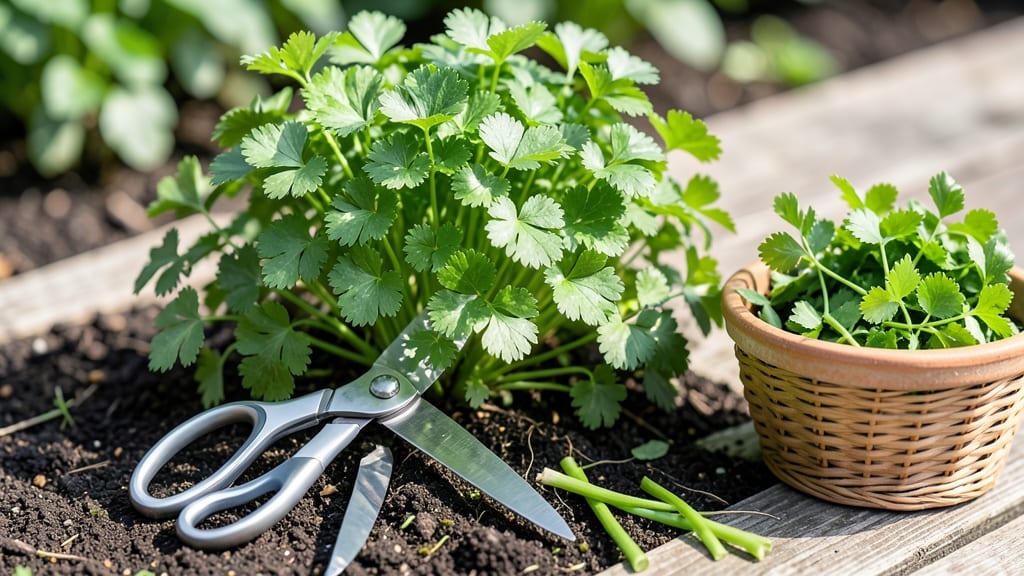
There’s nothing like the bright, fresh flavor of parsley straight from your garden—but how to harvest fresh parsley without killing your plant is the secret to enjoying it all season long.
Timing matters more than you think. Snip too early, and you’ll stunt growth; wait too long, and those delicate leaves turn bitter. The key is knowing when those 🌿 vibrant green leaves are ready—plus a few simple tricks to encourage your parsley to keep growing back lush and flavorful.
Whether you planted your parsley in spring or late summer, I’ll walk you through exactly when to cut, how to avoid flower stalks, and the best way to store your harvest so it stays fresh longer.
Ready to turn your parsley patch into a year-round herb powerhouse? Let’s get started with the easiest, most effective harvesting techniques that work for beginners and seasoned gardeners alike.
When to harvest parsley for best regrowth and flavor
Timing your parsley harvest is everything—cut too early, and you’ll miss peak flavor; wait too long, and the plant may bolt or become woody. The best time to harvest parsley is when leaves reach 4-6 inches tall and have a strong parsley aroma.
This usually happens 75-90 days after planting, depending on your climate and variety.
Look for vibrant green leaves with firm stems that aren’t easily crushed. If the leaves are still small or the stems feel soft, they’re not ready yet. Overharvesting immature parsley can stunt growth and reduce future yields.
Seasonal timing matters too. In spring-planted parsley, start harvesting in late May and continue through October. For fall-planted parsley, harvest from October to November before the first frost. Always prioritize mature leaves over baby greens to encourage bushier regrowth.
Watch for signs of bolting (flower stalks), which means your parsley is stressed. If you see tall, thin stems with yellow flowers, it’s too late to harvest for leaves—remove the plant entirely to prevent seed spread. Bolting often happens in hot climates or when parsley lacks consistent moisture.
| Harvest Stage | Leaf Size | Stem Condition | Aroma | Action |
|---|---|---|---|---|
| Not Ready | Small, sparse | Soft, easily crushed | Mild or none | Wait 2-3 weeks |
| Ready | 4-6 inches tall | Firm but flexible | Strong parsley scent | Harvest outer leaves |
| Over-Mature | Large, woody | Hard, brittle | Bitter or stale | Prune aggressively or remove |
For continuous harvests, focus on outer leaves first. This encourages the plant to produce new growth from the center. Avoid cutting into the main stem unless you’re harvesting the entire plant—this can kill parsley. Instead, snip leaves 1-2 inches above a leaf node to promote branching.
In hot climates, parsley bolts faster. To delay bolting, provide afternoon shade and keep soil consistently moist. Mulching with straw or compost helps retain moisture and cool roots. If your parsley starts flowering, harvest the leaves quickly before they turn bitter.
Pro tip: Morning harvests yield the freshest parsley. Leaves are most hydrated after a night’s rest, and the flavor is at its peak. Avoid harvesting in the afternoon when leaves may wilt faster due to heat stress.
If you’re growing parsley in containers, harvest even more carefully. Root systems are limited, so over-pruning can stress the plant. Stick to 10-15% of the plant per harvest to maintain health. Container parsley also benefits from regular feeding every 4-6 weeks during the growing season.
Never harvest parsley after it’s been frosted. Cold temperatures turn leaves bitter and mushy. If frost is forecast, harvest all remaining leaves before the first freeze and store them properly for later use.
When to harvest parsley for best regrowth and flavor
Timing your parsley harvest is key to enjoying a continuous supply of flavorful leaves. Parsley thrives when harvested at the right stage—too early, and the leaves are underdeveloped; too late, and you risk bolting (flowering) or woody stems.
Aim to harvest when leaves reach 4-6 inches tall and have a vibrant green color and strong parsley aroma.
For spring-planted parsley, start harvesting in late May and continue through October. If you planted in late summer, harvest begins in October and may extend into November before frost. Avoid harvesting during extreme heat or cold, as this stresses the plant and reduces flavor.
🌿 Visual cues for harvest readiness include:
| Sign | Description | Action |
|---|---|---|
| 🟢 Leaf Size | Leaves are 4-6 inches tall and fully formed | Harvest outer leaves first |
| 🤏 Stem Firmness | Stems are firm but not woody | Cut just above a leaf node |
| 👃 Aroma | Leaves have a strong parsley scent | Harvest for peak flavor |
| ⚠️ Flower Stalks | Plant shows signs of bolting (tall stems with flowers) | Harvest immediately or remove flower stalks |
Never harvest more than one-third of the plant at once to avoid stressing it. Focus on outer leaves first, leaving the inner leaves to continue growing. This method encourages bushier regrowth and keeps your parsley productive for months.
In hot climates, parsley may bolt quickly. To delay flowering, provide partial shade during peak afternoon sun and harvest frequently to keep the plant focused on leaf growth.
If bolting occurs, harvest the leaves before they become bitter and remove the flower stalks to redirect energy back to the foliage.
For year-round harvests, plant parsley in both spring and late summer. This staggered approach ensures you always have fresh parsley available, whether you're garnishing soups, blending into pesto, or adding to salads. Just remember: consistent harvesting is the secret to a thriving parsley plant!