
How To
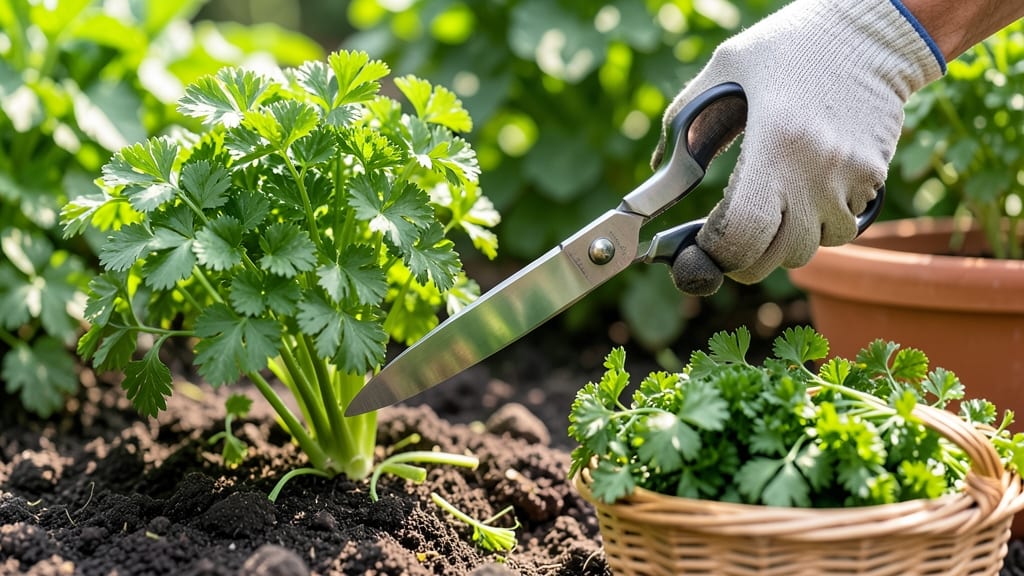
Harvesting curly parsley at the wrong time can turn your flavorful herb into a sad, stunted shadow of its former self—but don’t worry, I’ve got the expert tips to keep your 🌿 thriving while packing your kitchen with fresh, vibrant leaves.
Picture this: you’re about to snip a handful of parsley for your dinner, only to realize the stems are woody or the leaves taste bitter. That’s a clear sign you missed the sweet spot for harvesting. The key? Timing and technique matter more than you think.
In this guide, I’ll walk you through exactly when to harvest—from the ideal leaf size to the best seasons for a bountiful yield—and how to do it without killing your plant.
Whether you’re a seasoned gardener or just starting, these steps will ensure your curly parsley stays lush and delicious all season long.
Ready to turn your herb garden into a flavor factory? Let’s dive into the right way to harvest curly parsley so you can enjoy it for months to come.
When to harvest curly parsley for maximum flavor and growth
Timing is everything when harvesting curly parsley—pick too early, and you’ll sacrifice flavor; wait too long, and your plant may bolt or become woody. The ideal window is when leaves reach 6-8 inches tall, with stems firm but not thick or woody.
This usually happens 75-90 days after sowing, depending on your climate and growing conditions.
For spring-planted parsley, aim to start harvesting in late June or early July, continuing through fall until the first frost. If you planted in late summer or early fall, you’ll harvest from November through December, enjoying fresh parsley even in cooler months.
Always prioritize harvesting before the plant sends up flower stalks, as this signals the end of its productive cycle.
Morning is the best time of day to harvest, as leaves are hydrated and crisp. Avoid harvesting after a heavy rain or late in the day, when leaves may be wilted or stressed.
If you must harvest in the evening, do so at least 4-6 hours before sunset to allow the plant to recover overnight.
Seasonal considerations are key: spring harvests yield the most tender leaves, while fall harvests can be slightly more robust but equally flavorful.
In USDA Zone 6a, where frost-free days average 165 days, you can extend your harvest season by using row covers or cold frames to protect plants from early frosts.
Balance is critical—never harvest more than one-third of the plant at a time. This ensures your curly parsley has enough energy to regrow. Over-harvesting can lead to stunted growth, yellowing leaves, or even death.
If you’re growing parsley in containers or small spaces, be even more conservative with your cuts to avoid stressing the plant.
🌱 Curly Parsley Harvest Readiness
Step-by-step guide to harvesting curly parsley without damaging the plant
Harvesting curly parsley the right way ensures your plant stays lush and productive for months. Start by waiting until your parsley reaches 6-8 inches tall—this is when the leaves are fully developed and packed with flavor.
Avoid harvesting too early, as young plants struggle to recover and may even bolt prematurely (sending up flower stems).
Timing matters too! The best time to harvest is in the morning after dew has dried but before the sun peaks. This gives you crisp, hydrated leaves and prevents wilting. If you must harvest later in the day, do it in the shade to avoid stressing the plant.
- 🌿 Select outer leaves first—these are mature and won’t stunt the plant’s growth.
- ✂️ Avoid cutting into the center stem—this can kill the plant.
- 🌱 Leave at least 3-4 inches of growth to encourage regrowth.
- 🔪 Use clean, sharp scissors or pruning shears—dull tools crush stems.
- 🧤 Wear gloves if your parsley has rough stems to avoid irritation.
- ✂️ Make cuts at a 45-degree angle just above a leaf node.
- 🌿 Never harvest more than 1/3 of the plant at once—this prevents shock.
- 💧 Water the plant after harvesting to help it recover faster.
- ☀️ Keep the plant in partial shade for 24 hours after harvesting.
- 🌱 Fertilize lightly with a balanced 5-10-10 after 2 weeks if growth slows.
- 🌧️ Avoid heavy watering for 3 days post-harvest to prevent root stress.
One common mistake is over-harvesting, which weakens the plant and can lead to yellowing leaves or even death. If you notice your parsley looking leggy or sparse, cut back on harvests for a few weeks and focus on fertilizing and watering instead.
Remember, curly parsley is a biennial, meaning it can regrow for up to two years if cared for properly!
For a bushier parsley plant, try the "pinch and grow" method: Snip the top set of leaves when the plant reaches 12 inches tall.
This encourages lateral growth, giving you more leaves to harvest over time. Just be sure to sterilize your tools between cuts to prevent disease spread.
With these techniques, you’ll enjoy a steady supply of fresh, flavorful curly parsley all season long—without sacrificing your plant’s health. Happy harvesting! 🌿